Vaccines and preventive care depend on species (dog/cat), age, lifestyle, and local laws—but there are reliable “core” basics almost every pet needs. Below is a practical schedule you can use to plan vet visits and ask the right questions.
Core vaccines (recommended for nearly all dogs)
DHPP / DAPP (Distemper, Adenovirus, Parvovirus ± Parainfluenza)
· Puppies: start 6–8 weeks, then every 2–4 weeks until ≥16 weeks
· Booster: 1 year after the last puppy dose
· Then: typically every 3 years (for core vaccines)
Rabies (required by law in many places)
· First dose usually at/after 12 weeks (timing varies by product and local law)
· Booster timing depends on your state/country and the vaccine (often 1-year, then every 1–3 years)
Non-core (risk-based) dog vaccines
Given based on exposure risk (boarding/daycare, hiking/ticks, local disease prevalence):
· Bordetella (kennel cough)
· Leptospirosis
· Lyme (tick areas)
· Canine influenza (regional/outbreak risk)
AAHA emphasizes core vs non-core decisions should be made by individual risk assessment.
Core vaccines (recommended for nearly all cats)
FVRCP (FHV-1, Calicivirus, Panleukopenia)
· Kittens: start 6–8 weeks, then every 2–4 weeks until 16–20 weeks
· Booster: 1 year after the last kitten dose
· Then: typically every 3 years for low-risk cats
Rabies
AAHA/AAFP includes rabies as a core vaccine (with schedules influenced by local law).
FeLV (Feline leukemia virus)
· Considered core for kittens (<1 year); adults are vaccinated based on risk (outdoor exposure, new cats in home, etc.).
Parasite prevention (year-round is common)
· Flea & tick prevention (especially if your area has ticks/fleas year-round)
· Heartworm prevention (dogs: essential in many regions; cats can also be at risk depending on location)
· Deworming / fecal testing: your vet may recommend regular stool checks and targeted deworming
(WSAVA and AAHA/AAFP vaccination documents stress tailoring prevention to local prevalence and lifestyle.)
Wellness exams (catch problems early)
· Puppies/kittens: multiple visits during vaccine series (growth, behavior, parasites)
· Healthy adults: at least yearly exams
· Seniors: often every 6 months, with labs as advised (kidney, liver, thyroid, etc.)
Dental & oral care
· At-home brushing (best), plus vet dental checks; professional cleaning when needed.
Nutrition + weight monitoring
· Body condition score, calorie planning (treats matter), and diet adjustments through life stages.

Quick “bring to the vet” checklist
When you book the appointment, tell your vet:
· Indoor vs outdoor
· Boarding/grooming/daycare frequency
· Travel/hiking/tick exposure
· Multi-pet household (new pets?)
· Any immune issues / chronic conditions
· Prior vaccine records (if available)
This is exactly how AAHA/AAFP and WSAVA recommend customizing vaccine plans.
References
· AAHA 2022 Canine Vaccination Guidelines (core/non-core; schedules).
· AAHA/AAFP 2020 Feline Vaccination Guidelines (PDF) (core vaccines incl. FHV-1/FCV/FPV/rabies; FeLV core for kittens).
· WSAVA 2024 Vaccination Guidelines (PDF + tables) (core vs non-core; revaccination principles).
· CDC Rabies (Veterinarian guidance) (timing varies by product and local law; generally not before 12 weeks).
If you tell me dog/cat + age + indoor/outdoor + boarding/daycare + your country/state, I can turn this into a clean, one-page schedule you can paste into your website as “Pet vaccination schedule” (with a simple table + FAQ).

Learn which natural methods can reduce your pet’s exposure to fleas, ticks, and mosquitoes—and why heartworm prevention still requires veterinarian-recommended medication.

Are natural eye-care products effective for pets? Learn which ingredients are safe around dogs’ and cats’ eyes, what to avoid, and how to build a gentle daily routine.
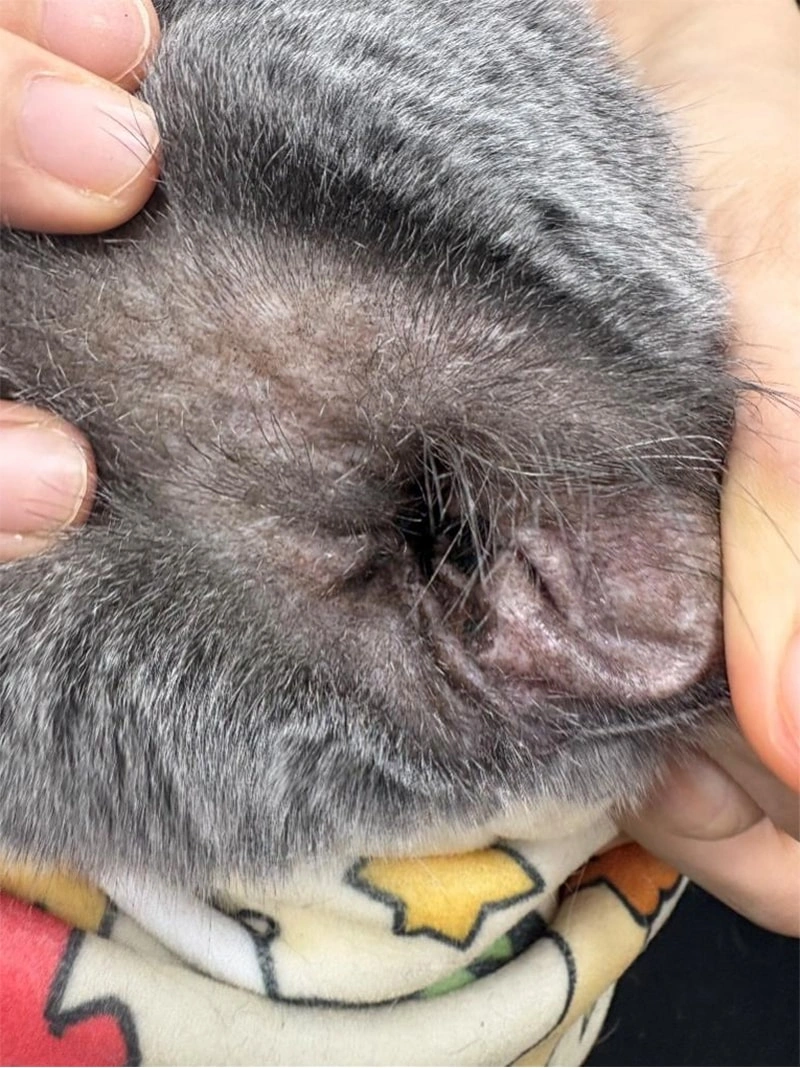
Ear problems are easy to overlook until your pet starts shaking their head, scratching constantly, or developing dark debris inside the ear. Many pet parents ask the same questions: Is it just wax? Could it be ear mites? Can ear mites come back after treatment? And how often should ears be cleaned?

Many pet parents want an easier way to support their cat’s oral health at home. Dental powders are popular because they can be added directly to food, but some formulas use seaweed or kelp-based ingredients. For cats with sensitive digestion, special diets, or thyroid concerns, some families may prefer a seaweed-free cat dental care routine.

A shiny, smooth coat is more than a beauty goal. For dogs and cats, coat condition often reflects overall skin health, nutrition, grooming habits, and daily comfort. A healthy coat should look glossy and feel soft, while dull, brittle, greasy, or flaky fur may suggest dryness, poor grooming, nutritional imbalance, allergies, parasites, or an underlying health issue. VCA notes that skin and coat appearance are useful indicators of general health in both dogs and cats.

Learn how to clean dogs teeth at home, what to use, how often to do it, and simple ways to support better pet dental cleaning as part of a gentle daily routine.
Vaccines and preventive care depend on species (dog/cat), age, lifestyle, and local laws—but there are reliable “core” basics almost every pet needs. Below is a practical schedule you can use to plan vet visits and ask the right questions.
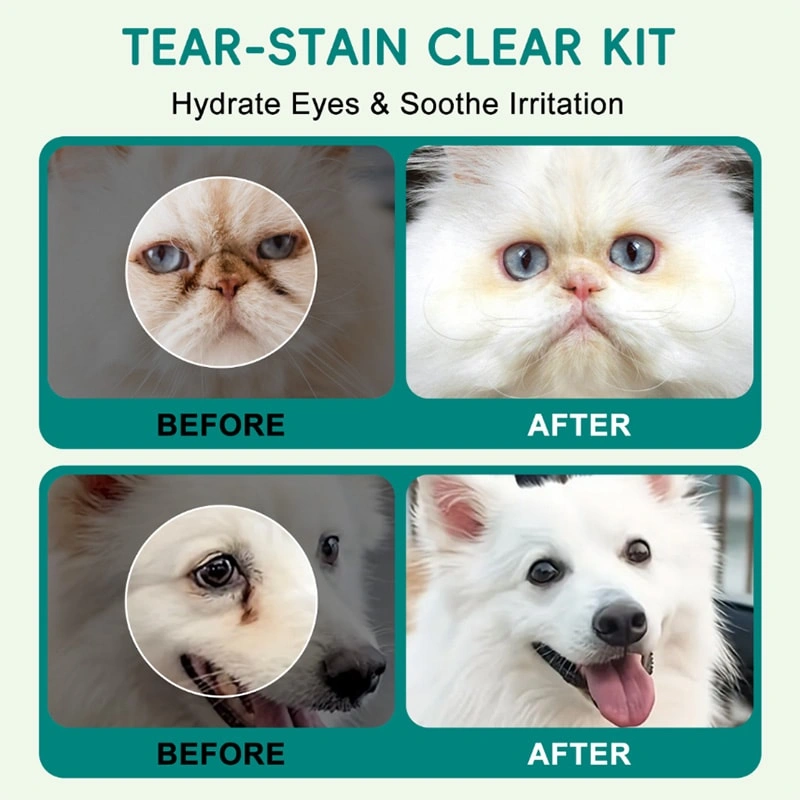
Tear stains are not a diagnosis—they’re a sign that tears (and the pigments inside them) are spending too much time on your dog’s face. Allergies can be one reason tear stains show up or get worse, but they’re only one piece of the puzzle. Many dogs have tear stains primarily because of anatomy, drainage, or mild eye irritation, even with “normal” tear production.
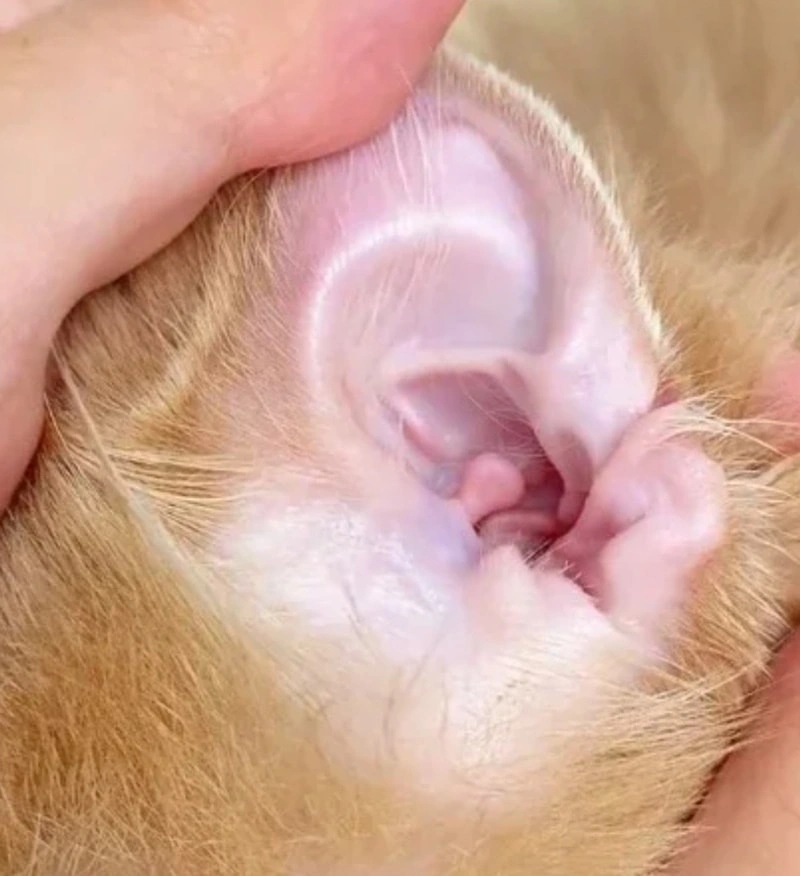
If you notice dark debris in your pet’s ears, it can be wax, ear mites, or an infection—and they can look similar at home. The safest approach is to compare symptoms + debris texture + recurrence, and seek veterinary confirmation when signs are strong.

Daily cleaning can be safe for sensitive dogs—but only when it’s gentle, minimal, and consistent. For many “sensitive skin dogs and cats,” the goal isn’t to scrub the skin spotless; it’s to remove irritants and moisture without stripping the barrier.
Copyright © 2026 by Phytopaw Pet Health Limited All Rights Reserved