
Many pet parents want an easier way to support their cat’s oral health at home. Dental powders are popular because they can be added directly to food, but some formulas use seaweed or kelp-based ingredients.
For cats with sensitive digestion, special diets, or thyroid concerns, some families may prefer a seaweed-free cat dental care routine.
PhytoPaw offers a different approach: a topical oral care routine designed for daily plaque care, fresher breath, and gum comfort — without relying on seaweed-based powder as the core mechanism.
Cats can develop plaque buildup, tartar, bad breath, and gum sensitivity over time. These issues may affect eating comfort, daily behavior, and overall oral hygiene.
A good home care routine can help pet parents manage daily oral cleanliness before buildup becomes harder to handle.
Common signs that your cat may need more oral care include:
· bad breath,
· yellow plaque near the gumline,
· red or sensitive gums,
· drooling,
· chewing on one side,
· resistance when the mouth is touched.
Daily home care does not replace professional veterinary dental cleaning, but it can help support a cleaner mouth between vet visits.
Some pet dental powders use seaweed, kelp, or brown algae ingredients. These products are usually mixed into food and swallowed every day.
The concern is not that all dental powders are unsafe. The real question is whether the product is:
· seaweed-based,
· used daily,
· swallowed long term,
· and suitable for the cat’s health condition.
Seaweed and kelp ingredients may naturally contain iodine. Iodine is related to thyroid hormone production, so cats with diagnosed thyroid disease or suspected thyroid issues may need extra caution with iodine-containing supplements.
If your cat is senior, losing weight despite eating well, unusually restless, or already taking thyroid medication, it is best to ask a veterinarian before using any daily seaweed-based supplement.
Not all oral care products work the same way.
|
Product Type |
How It Is Used |
Main Consideration |
|
Seaweed dental powder |
Mixed into food and swallowed |
Daily dietary intake, possible iodine concern |
|
Dental treats |
Chewed and swallowed |
Calories, ingredients, chewing safety |
|
Tooth brushing |
Direct cleaning |
Pet cooperation and gum sensitivity |
|
Topical oral gel / dental pen |
Applied directly to mouth area |
More controlled local application |
For pet parents who do not want to change their cat’s diet, a topical oral care routine may feel easier to control.
PhytoPaw oral care products are designed for local oral application, not as seaweed-based food supplements.
This makes the routine suitable for pet parents who want:
· seaweed-free dental care,
· less change to the pet’s diet,
· more control over application,
· gentle daily plaque support,
· fresher breath care,
· and a routine suitable for both cats and dogs.
PhytoPaw follows a science backed herbal pet care approach, combining botanical-inspired care with practical daily hygiene support for sensitive dogs and cats.
Recommended internal link:
science backed herbal pet care
A daily oral care routine does not need to be complicated. The key is consistency and gentle handling.
Step 1: Check the Mouth
Look for plaque buildup, odor, gum redness, drooling, or changes in eating behavior. This helps pet parents notice oral care needs earlier.
Step 2: Soften Visible Plaque
Use Plaque Softening Pen on areas where plaque buildup is more visible. This step supports easier daily cleaning around the gumline and teeth.
(targeted plaque softening care)
Step 3: Clean Gently
If your cat allows it, use a soft fingertip brush or gentle oral care tool. Do not force brushing if your pet becomes stressed.
Step 4: Support Gum Comfort
Use Advanced ORAL Heal Gel for sensitive gum areas or daily oral comfort support. Its gel texture is suitable for targeted local application.
(gentle oral care gel for pets)
Step 5: Maintain Fresh Breath
Use Dental Shield Pen as a finishing step to support daily oral hygiene and fresher breath.
(daily dental shield routine)
For families who want a complete routine, PlaqueOff Dental Kit combines plaque-softening care, dental shield support, and a fingertip brush for easier home dental care.
(daily pet dental cleaning kit)
A seaweed-free topical routine may be a good option for:

· cats with picky eating habits,
· cats on special diets,
· cats with sensitive digestion,
· senior cats,
· pet parents concerned about kelp or iodine intake,
· families who prefer direct oral application,
· and pet parents looking for gentle daily oral care.
For cats with diagnosed thyroid disease, severe tartar, bleeding gums, loose teeth, oral pain, or sudden weight changes, always consult a veterinarian before starting any new dental care product.
Seaweed-based dental powders can be convenient, but they are not the only option for cat dental care.
For pet parents who prefer to avoid kelp-based daily supplements, PhytoPaw offers a seaweed-free topical oral care routine designed to support plaque control, fresher breath, and gum comfort through gentle daily care.
With products like Plaque Softening Pen, Advanced ORAL Heal Gel, Dental Shield Pen, and PlaqueOff Dental Kit, pet parents can build a practical home routine without relying on seaweed powder as the core mechanism.
Is PhytoPaw a seaweed dental powder?
No. PhytoPaw oral care products are topical gels, pens, and tools. They are not seaweed-based food supplements.
Is seaweed-free dental care better for cats?
It depends on the cat’s health condition and daily routine. Some pet parents prefer seaweed-free care if their cat has dietary restrictions, thyroid concerns, sensitive digestion, or picky eating habits.
Can cats with thyroid problems use PhytoPaw oral care products?
If your cat has a diagnosed thyroid condition or is taking medication, consult your veterinarian before using any new oral care product.
Does PhytoPaw replace veterinary dental cleaning?
No. PhytoPaw is designed for daily home oral care. It does not replace veterinary diagnosis, treatment, or professional dental cleaning.
What should I check before choosing a cat dental product?
Check whether the product is swallowed daily or applied topically. Also review the ingredient list for terms such as seaweed, kelp, brown algae, Ascophyllum nodosum, or iodine.
References
1. Cornell Feline Health Center. Hyperthyroidism in Cats. Cornell University College of Veterinary Medicine.
2. Merck Veterinary Manual. Hyperthyroidism in Animals.
3. Merck Veterinary Manual. Disorders of the Thyroid Gland in Cats.
4. Swedencare. ProDen PlaqueOff® and Side Effects in Dogs, Cats, and People.
5. NaturVet. ProDen PlaqueOff® Powder Product Information.

Learn which natural methods can reduce your pet’s exposure to fleas, ticks, and mosquitoes—and why heartworm prevention still requires veterinarian-recommended medication.

Are natural eye-care products effective for pets? Learn which ingredients are safe around dogs’ and cats’ eyes, what to avoid, and how to build a gentle daily routine.
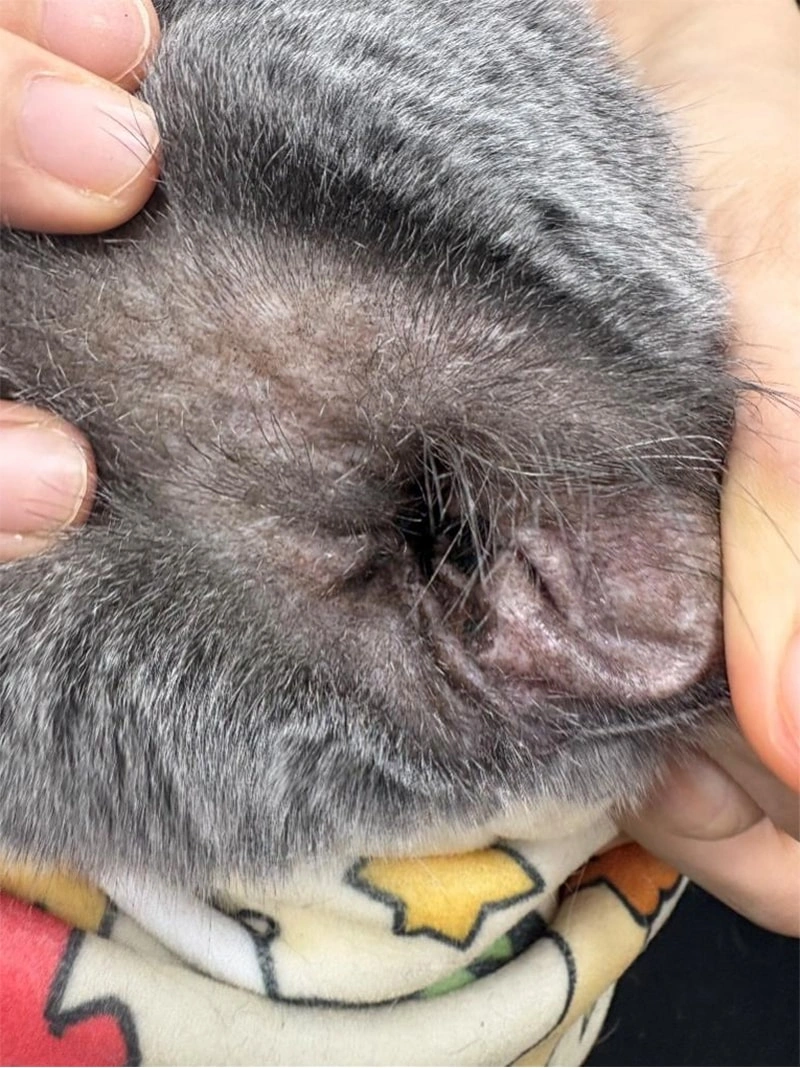
Ear problems are easy to overlook until your pet starts shaking their head, scratching constantly, or developing dark debris inside the ear. Many pet parents ask the same questions: Is it just wax? Could it be ear mites? Can ear mites come back after treatment? And how often should ears be cleaned?

Many pet parents want an easier way to support their cat’s oral health at home. Dental powders are popular because they can be added directly to food, but some formulas use seaweed or kelp-based ingredients. For cats with sensitive digestion, special diets, or thyroid concerns, some families may prefer a seaweed-free cat dental care routine.

A shiny, smooth coat is more than a beauty goal. For dogs and cats, coat condition often reflects overall skin health, nutrition, grooming habits, and daily comfort. A healthy coat should look glossy and feel soft, while dull, brittle, greasy, or flaky fur may suggest dryness, poor grooming, nutritional imbalance, allergies, parasites, or an underlying health issue. VCA notes that skin and coat appearance are useful indicators of general health in both dogs and cats.

Learn how to clean dogs teeth at home, what to use, how often to do it, and simple ways to support better pet dental cleaning as part of a gentle daily routine.
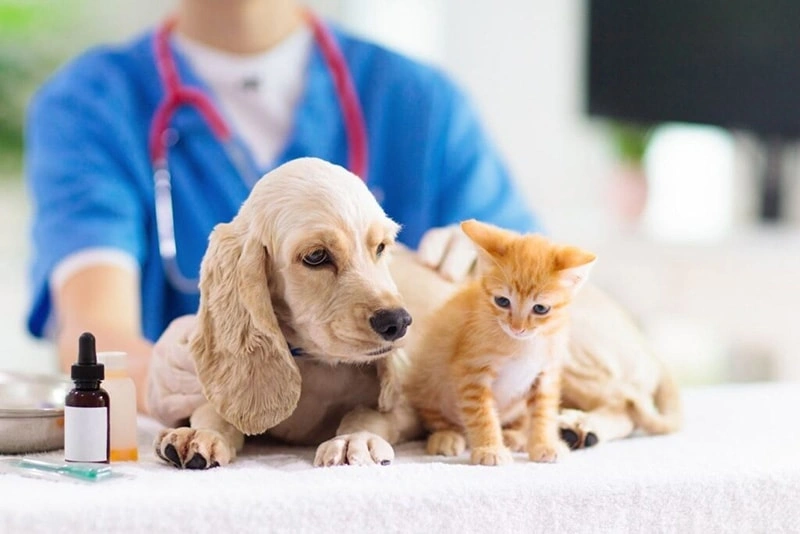
Vaccines and preventive care depend on species (dog/cat), age, lifestyle, and local laws—but there are reliable “core” basics almost every pet needs. Below is a practical schedule you can use to plan vet visits and ask the right questions.
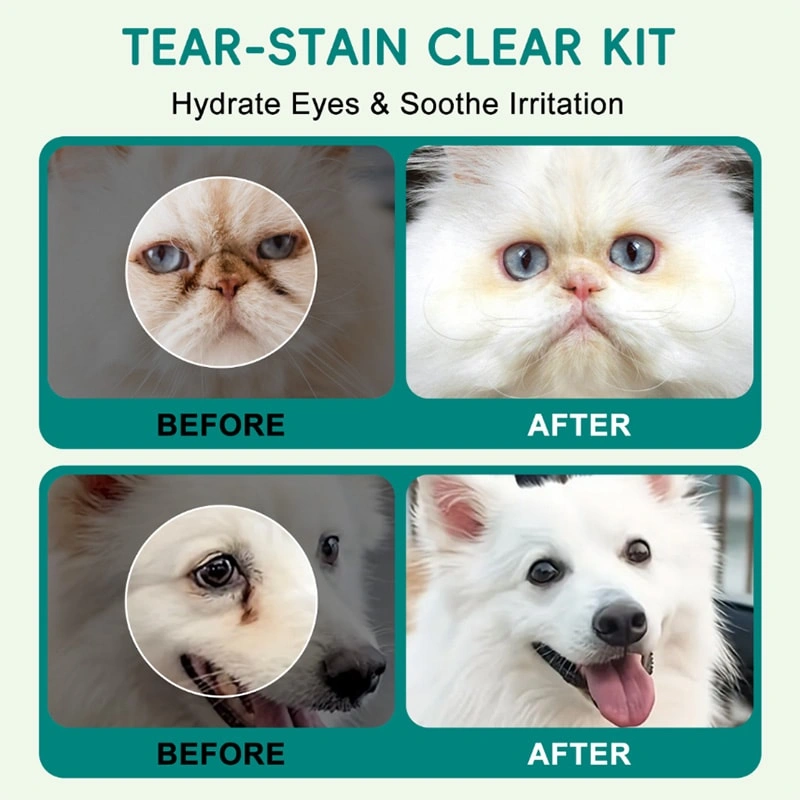
Tear stains are not a diagnosis—they’re a sign that tears (and the pigments inside them) are spending too much time on your dog’s face. Allergies can be one reason tear stains show up or get worse, but they’re only one piece of the puzzle. Many dogs have tear stains primarily because of anatomy, drainage, or mild eye irritation, even with “normal” tear production.
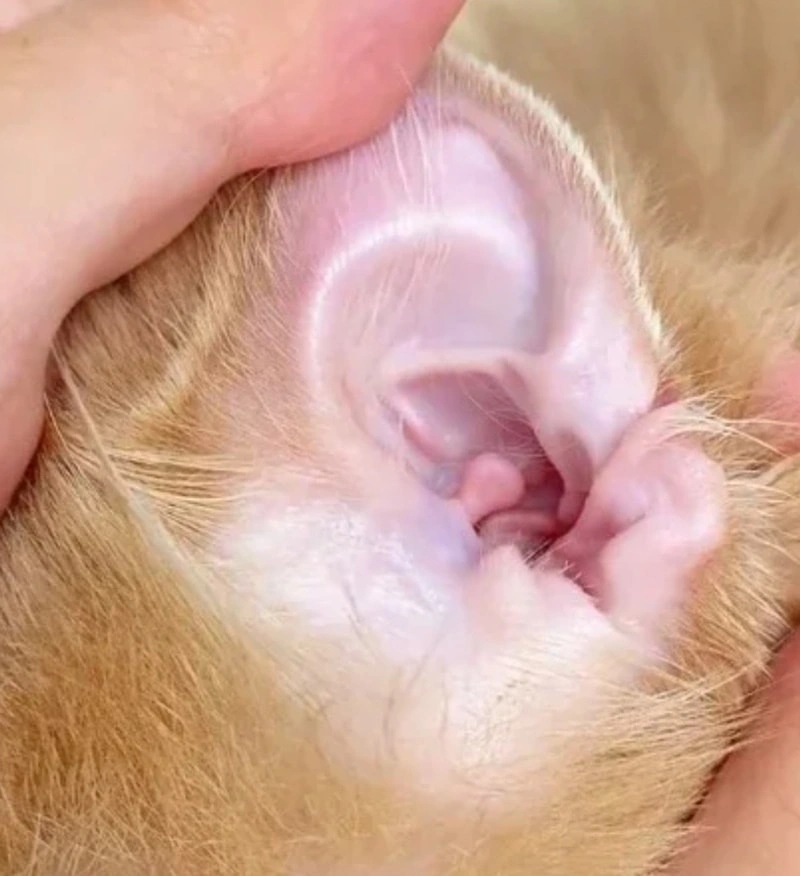
If you notice dark debris in your pet’s ears, it can be wax, ear mites, or an infection—and they can look similar at home. The safest approach is to compare symptoms + debris texture + recurrence, and seek veterinary confirmation when signs are strong.

Daily cleaning can be safe for sensitive dogs—but only when it’s gentle, minimal, and consistent. For many “sensitive skin dogs and cats,” the goal isn’t to scrub the skin spotless; it’s to remove irritants and moisture without stripping the barrier.
Copyright © 2026 by Phytopaw Pet Health Limited All Rights Reserved