If you notice dark debris in your pet’s ears, it can be wax, ear mites, or an infection—and they can look similar at home. The safest approach is to compare symptoms + debris texture + recurrence, and seek veterinary confirmation when signs are strong.
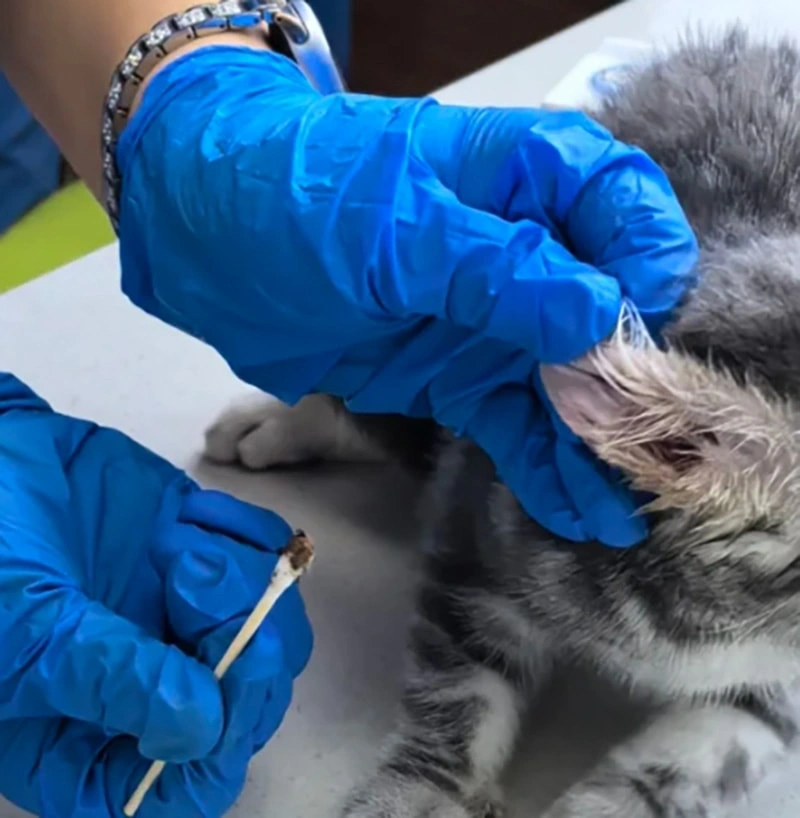
Ear mites (more likely when you see)
· Intense itch (scratching, head shaking)
· Red, irritated ears
· Dark, dry, crumbly debris often described as “coffee grounds”
VCA and Veterinary Partner both describe itching and dark debris as common signs.
Helpful clue: mites often come with strong itch + fast return of debris after cleaning.
Wax buildup (more likely when you see)
· Mild or no itch
· Soft/greasy brown wax (not gritty/crumbly)
· Little odor and minimal redness
Helpful clue: wax alone usually doesn’t cause dramatic discomfort.
Important note: infections can mimic both
Otitis externa (ear infection) often causes:
· Strong odor
· Redness/swelling
· Pain
· Discharge + head shaking
Merck describes these common infection signs.
If your pet seems painful or the smell/discharge is strong, treat it as a medical issue, not a cleaning issue.
Yes—ear mites can recur mainly because of:
1. Re-infestation from another pet
They’re contagious between cats and dogs, so untreated housemates can restart the cycle.
2. Incomplete treatment
Stopping early can allow mites/eggs to persist.
3. Secondary infection wasn’t addressed
Mites can trigger inflammation and secondary yeast/bacterial otitis, so symptoms may continue without a complete plan.
Best practice: mites are typically confirmed by a vet examining ear debris under a microscope.
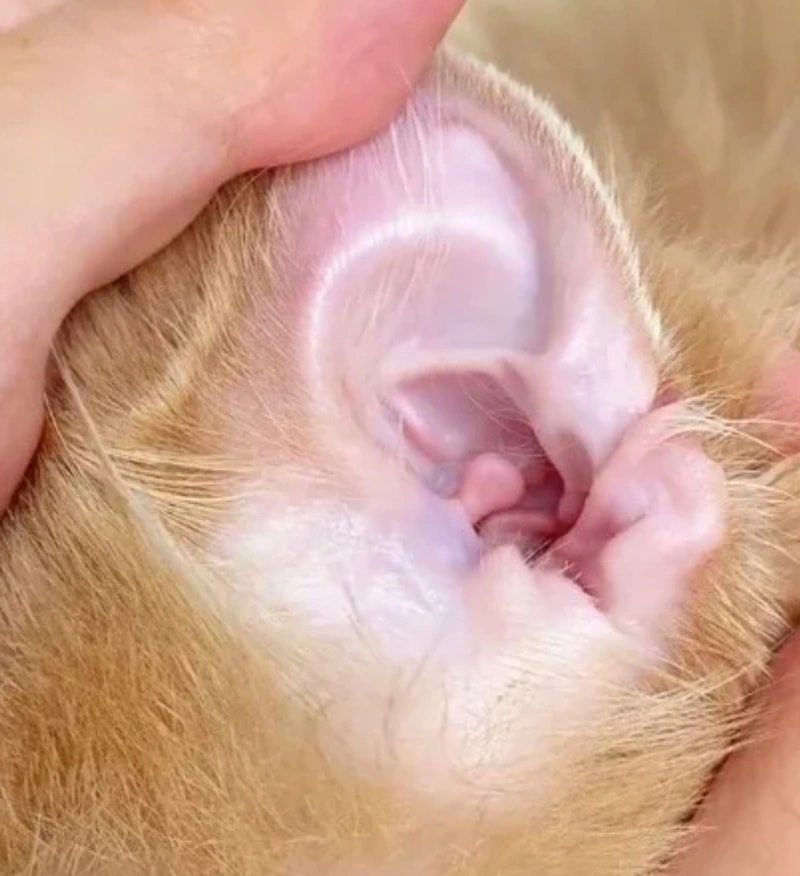
· Daily cleaning is usually not necessary, and over-cleaning can irritate the ear canal. VCA specifically warns that over-cleaning may cause irritation and can increase infection risk.
· A safer default is “check often, clean only when needed.”
· During active ear problems, frequency should be vet-directed. (Cornell notes frequency depends on the situation and that overcleaning can irritate.)
When to go to the vet instead of cleaning
· Pain, yelping, head shyness
· Strong odor + discharge
· Swelling/bleeding
· Recurrent problems
(Consistent with otitis externa warning patterns.)
References
· VCA Hospitals — Ear mites (signs; contagion). (vcahospitals.com)
· Veterinary Partner (VIN) — “Coffee grounds” discharge description. (veterinarypartner.vin.com)
· Merck (MSD) Veterinary Manual — Otitis externa signs (odor, pain, discharge). (msdvetmanual.com)
· Merck Veterinary Manual — Mite infestations diagnosis (microscopic confirmation). (merckvetmanual.com)
· VCA Hospitals — Ear cleaning in cats (over-cleaning irritation warning). (vcahospitals.com)
· Cornell University — Ear cleaning frequency depends; overcleaning irritates. (vet.cornell.edu)

Learn which natural methods can reduce your pet’s exposure to fleas, ticks, and mosquitoes—and why heartworm prevention still requires veterinarian-recommended medication.

Are natural eye-care products effective for pets? Learn which ingredients are safe around dogs’ and cats’ eyes, what to avoid, and how to build a gentle daily routine.
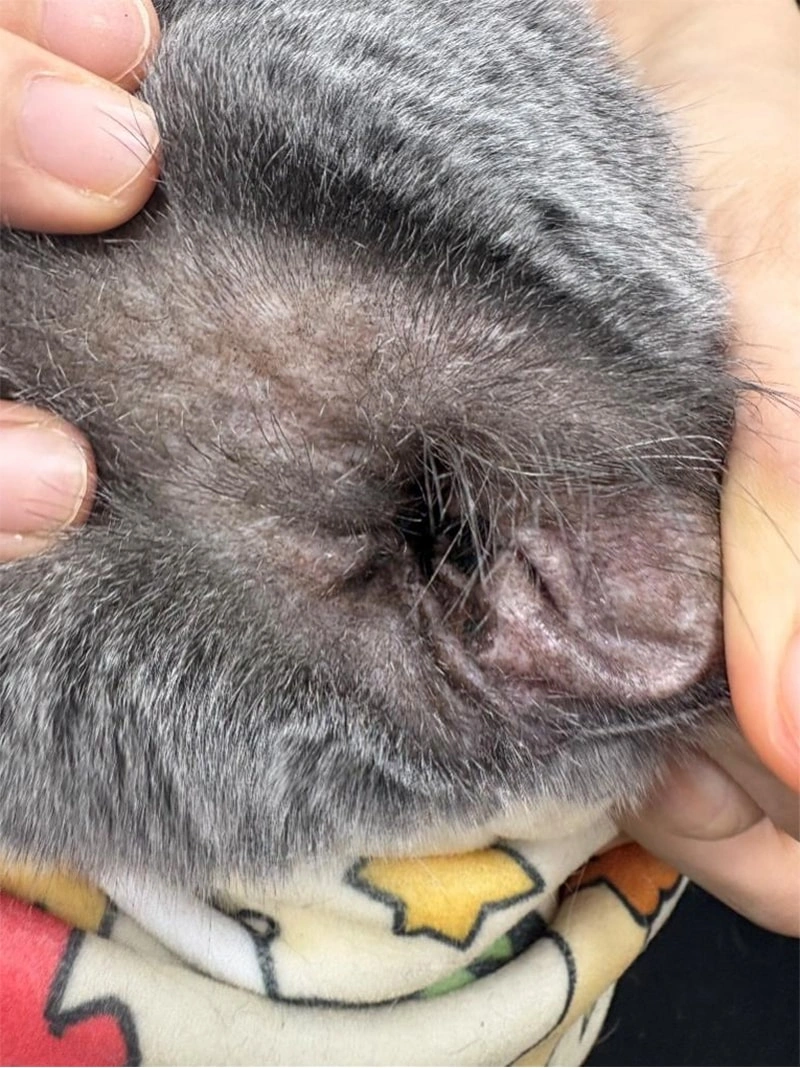
Ear problems are easy to overlook until your pet starts shaking their head, scratching constantly, or developing dark debris inside the ear. Many pet parents ask the same questions: Is it just wax? Could it be ear mites? Can ear mites come back after treatment? And how often should ears be cleaned?

Many pet parents want an easier way to support their cat’s oral health at home. Dental powders are popular because they can be added directly to food, but some formulas use seaweed or kelp-based ingredients. For cats with sensitive digestion, special diets, or thyroid concerns, some families may prefer a seaweed-free cat dental care routine.

A shiny, smooth coat is more than a beauty goal. For dogs and cats, coat condition often reflects overall skin health, nutrition, grooming habits, and daily comfort. A healthy coat should look glossy and feel soft, while dull, brittle, greasy, or flaky fur may suggest dryness, poor grooming, nutritional imbalance, allergies, parasites, or an underlying health issue. VCA notes that skin and coat appearance are useful indicators of general health in both dogs and cats.

Learn how to clean dogs teeth at home, what to use, how often to do it, and simple ways to support better pet dental cleaning as part of a gentle daily routine.
Vaccines and preventive care depend on species (dog/cat), age, lifestyle, and local laws—but there are reliable “core” basics almost every pet needs. Below is a practical schedule you can use to plan vet visits and ask the right questions.
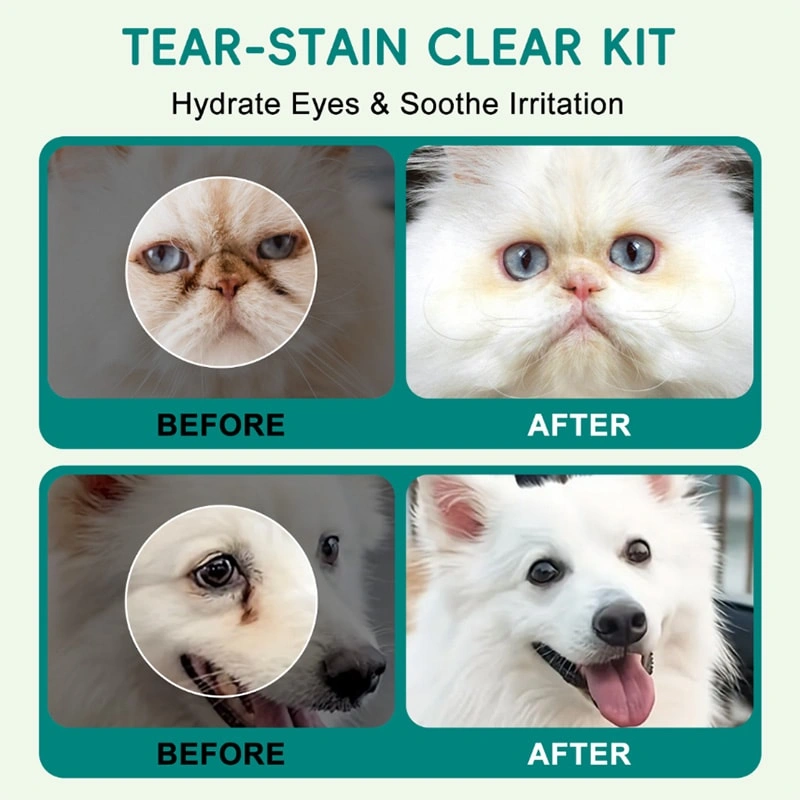
Tear stains are not a diagnosis—they’re a sign that tears (and the pigments inside them) are spending too much time on your dog’s face. Allergies can be one reason tear stains show up or get worse, but they’re only one piece of the puzzle. Many dogs have tear stains primarily because of anatomy, drainage, or mild eye irritation, even with “normal” tear production.
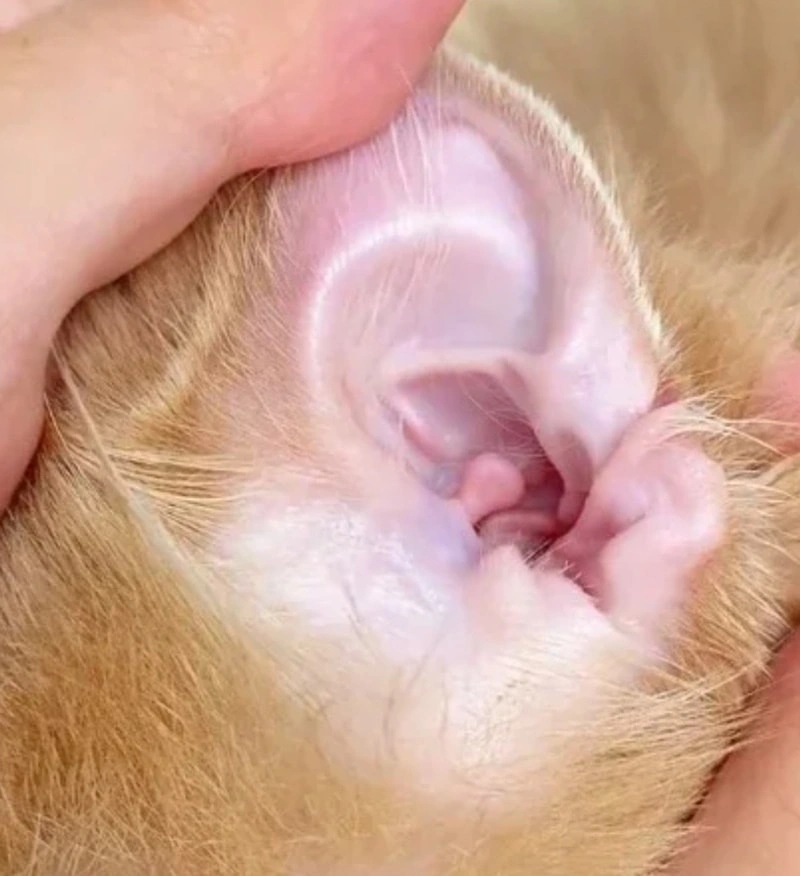
If you notice dark debris in your pet’s ears, it can be wax, ear mites, or an infection—and they can look similar at home. The safest approach is to compare symptoms + debris texture + recurrence, and seek veterinary confirmation when signs are strong.

Daily cleaning can be safe for sensitive dogs—but only when it’s gentle, minimal, and consistent. For many “sensitive skin dogs and cats,” the goal isn’t to scrub the skin spotless; it’s to remove irritants and moisture without stripping the barrier.
Copyright © 2026 by Phytopaw Pet Health Limited All Rights Reserved