
A shiny, smooth coat is more than a beauty goal. For dogs and cats, coat condition often reflects overall skin health, nutrition, grooming habits, and daily comfort. A healthy coat should look glossy and feel soft, while dull, brittle, greasy, or flaky fur may suggest dryness, poor grooming, nutritional imbalance, allergies, parasites, or an underlying health issue. VCA notes that skin and coat appearance are useful indicators of general health in both dogs and cats.
The good news is that most coat care does not need to be complicated. With consistent brushing, the right diet, gentle bathing, and daily observation, pet parents can help their pets maintain a smoother, healthier-looking coat.
A dull coat can happen for many reasons. Sometimes it is simply because loose hair, dust, or outdoor debris has built up on the coat. In other cases, the issue starts from within.
Common causes include:
● Poor nutrition or low-quality protein intake
● Lack of essential fatty acids
● Over-bathing or harsh shampoo use
● Dry indoor air or seasonal weather changes
● Allergies or immune-related skin sensitivity
● Parasites, yeast, or bacterial skin problems
● Stress, aging, obesity, or reduced self-grooming ability
Nutrition plays a major role because skin and hair require enough protein, fat, vitamins, and minerals to stay healthy. VCA explains that inadequate protein or fat can contribute to dry, dull, brittle haircoat in dogs.
For cats, grooming behavior is also important. Cornell Feline Health Center notes that cats spend a large part of their day grooming, so changes in coat quality, hair loss, or skin lesions may become noticeable only after a problem has already developed.
Brushing is the simplest way to keep your pet’s coat smooth. It helps remove loose fur, dirt, dander, and small tangles before they become mats. It also helps distribute natural skin oils across the coat, giving the fur a healthier shine.
For short-haired pets, brushing a few times a week may be enough. Long-haired, curly-coated, or double-coated pets may need daily brushing, especially during shedding seasons.
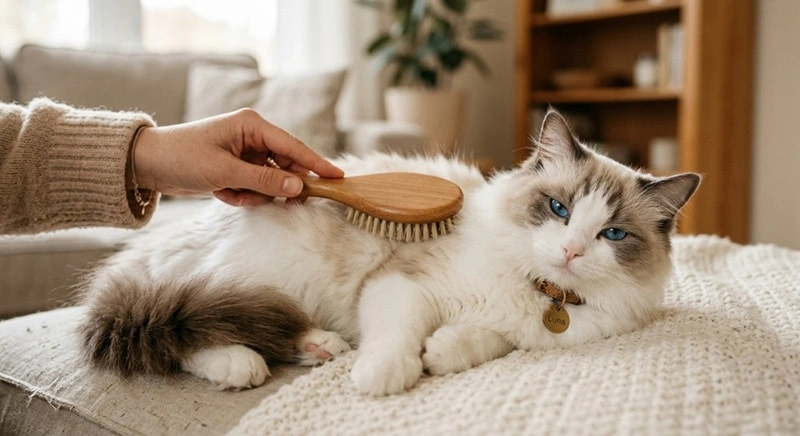
A good brushing routine can help:
Reduce shedding around the home
Prevent mats and tangles
Improve coat texture
Support better air circulation near the skin
Help you notice redness, bumps, fleas, or dry patches earlier
For dogs, VCA emphasizes that regular grooming and skin care help keep the coat clean and free of tangles. For cats, regular grooming is also helpful, especially for long-haired cats, senior cats, or cats that cannot groom themselves well.
A shiny coat starts with nutrition. Hair is made mainly of protein, so pets need a complete and balanced diet with high-quality protein sources. Healthy fats are also important because they support the skin barrier and help maintain coat softness.
Key nutrients for a healthy coat include:
High-quality protein
Omega-3 and omega-6 fatty acids
Vitamin A
Vitamin E
B vitamins
Zinc and other trace minerals
Clean water for hydration
Merck Veterinary Manual warns that nutritional problems are more likely when pets are fed unbalanced homemade diets or diets not properly formulated for their species. This is especially important for cats, because they have specific nutritional needs and should not be fed diets designed for dogs.
If your pet’s coat suddenly becomes dull, greasy, flaky, or thin, do not only change shampoos. Review their food, treats, weight, digestion, and overall health with your veterinarian.
Bathing helps remove dirt, odor, allergens, and outdoor residue. However, too much bathing can strip natural oils from the skin and make the coat dry or rough.
Most healthy dogs do not need frequent baths unless they get dirty, smell strongly, swim often, or have a skin condition. Cats usually need even fewer baths because they groom themselves naturally, though long-haired, senior, overweight, or hairless cats may need extra help.
Use a shampoo that is:
Made specifically for pets
Gentle and pH-appropriate
Free from harsh detergents
Suitable for your pet’s skin type
Rinsed out completely after use
Never use human shampoo on pets. It may be too harsh for their skin barrier.
After bathing, dry the coat properly. Damp fur can trap moisture near the skin, especially in thick-coated pets, which may increase the risk of odor, irritation, or microbial imbalance.
A smooth coat depends on healthy skin underneath. If the skin is dry, itchy, inflamed, or oily, the coat often becomes dull or uneven.
Signs that your pet’s skin barrier may need support include:
Flaky skin
Frequent scratching or licking
Redness or hot spots
Greasy coat
Unusual odor
Hair thinning
Recurring irritation after outdoor walks
For pets with sensitive skin, gentle daily skin care for pets can help maintain comfort between baths. This is especially useful for dogs and cats exposed to dust, pollen, grass, humidity, or outdoor debris.
For pets that often come back from walks with a dusty, rough, or outdoor-smelling coat, PhytoPaw Coat Care Outdoor Spray can be used as a light daily coat refresh after outdoor activities. It is designed for coat care and outdoor freshness, helping pet parents maintain a cleaner, smoother coat between full baths.
Recommended anchor text:
daily coat care after outdoor walks
Hydration matters for both skin and coat. When pets do not drink enough water, their skin may become drier, which can make the coat appear less glossy.
Cats are especially prone to low water intake because they naturally have a lower thirst drive. Wet food, water fountains, and multiple clean water bowls can help encourage better hydration. For dogs, always provide fresh water after exercise, outdoor walks, and warm-weather activity.
A hydrated pet is more likely to have supple skin and a softer-looking coat.
Outdoor play is healthy, but it can expose your pet’s coat to dust, pollen, mud, grass residue, insects, and environmental irritants. These can make the coat feel rough or trigger skin sensitivity in some pets.
After outdoor walks:
Check paws, belly, and coat for debris
Wipe dirty areas with a soft damp cloth
Brush out dry grass or loose dirt
Dry damp fur quickly
Look for redness, bumps, or excessive licking
This is especially important for pets with long coats, white coats, sensitive skin, or seasonal allergies.
A simple post-walk coat routine can help reduce buildup and keep the coat smoother without over-bathing.
Shedding is normal, but excessive shedding, bald patches, or sudden coat changes should not be ignored.
Mats are also more than a cosmetic issue. Tight mats can pull on the skin, trap moisture, hide parasites, and cause discomfort. Long-haired pets, senior pets, and cats with reduced grooming ability are especially prone to matting.
To prevent mats:
Brush before tangles tighten
Use the right brush for your pet’s coat type
Never pull hard on knots
Do not cut mats close to the skin with scissors
Ask a groomer or veterinarian for severe mats
Smooth coat maintenance is easier when small tangles are handled early.
A dull coat is not always serious, but it can sometimes signal an underlying problem.
Contact your veterinarian if you notice:
Sudden hair loss
Constant itching or licking
Red, swollen, or painful skin
Strong odor from the coat
Greasy or flaky patches
Scabs, crusts, or open sores
Changes in appetite, weight, or energy
Dull coat that does not improve with grooming and diet
Skin and coat problems may be related to allergies, parasites, hormonal disease, infections, nutritional imbalance, or chronic inflammation. Supportive home care is helpful, but diagnosis matters when symptoms are persistent.
Keeping your pet’s coat shiny and smooth is not about using one product or bathing more often. It is about building a balanced routine: good nutrition, regular brushing, gentle bathing, hydration, skin barrier support, and careful observation.
A healthy coat reflects daily care from the inside and outside. With consistent grooming and science backed herbal pet care, pet parents can help dogs and cats feel cleaner, softer, and more comfortable in everyday life.
For pets with sensitive skin dogs and cats, choose gentle products, avoid harsh cleansing, and focus on steady care rather than quick fixes.
References
VCA Hospitals.
Coat and Skin Appearance in the Healthy Dog.
VCA Hospitals.
Coat and Skin Appearance in the Healthy Cat.
VCA Hospitals.
Nutrition and Your Dog’s Skin and Haircoat.
VCA Hospitals.
Grooming and Coat Care for Your Dog.
VCA Hospitals.
Grooming and Coat Care for Your Cat.
Cornell Feline Health Center.
Cats That Lick Too Much.
Merck Veterinary Manual.
Nutritional Requirements of Small Animals.

Learn which natural methods can reduce your pet’s exposure to fleas, ticks, and mosquitoes—and why heartworm prevention still requires veterinarian-recommended medication.
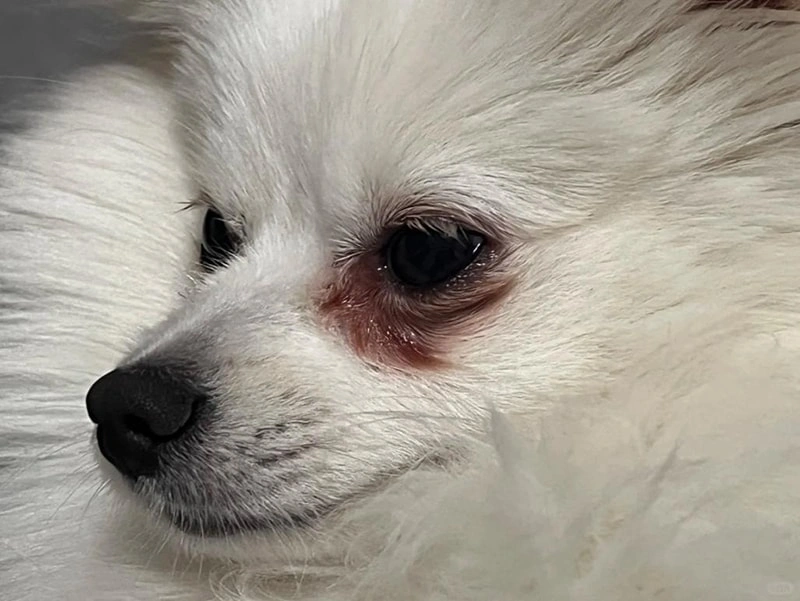
Are natural eye-care products effective for pets? Learn which ingredients are safe around dogs’ and cats’ eyes, what to avoid, and how to build a gentle daily routine.
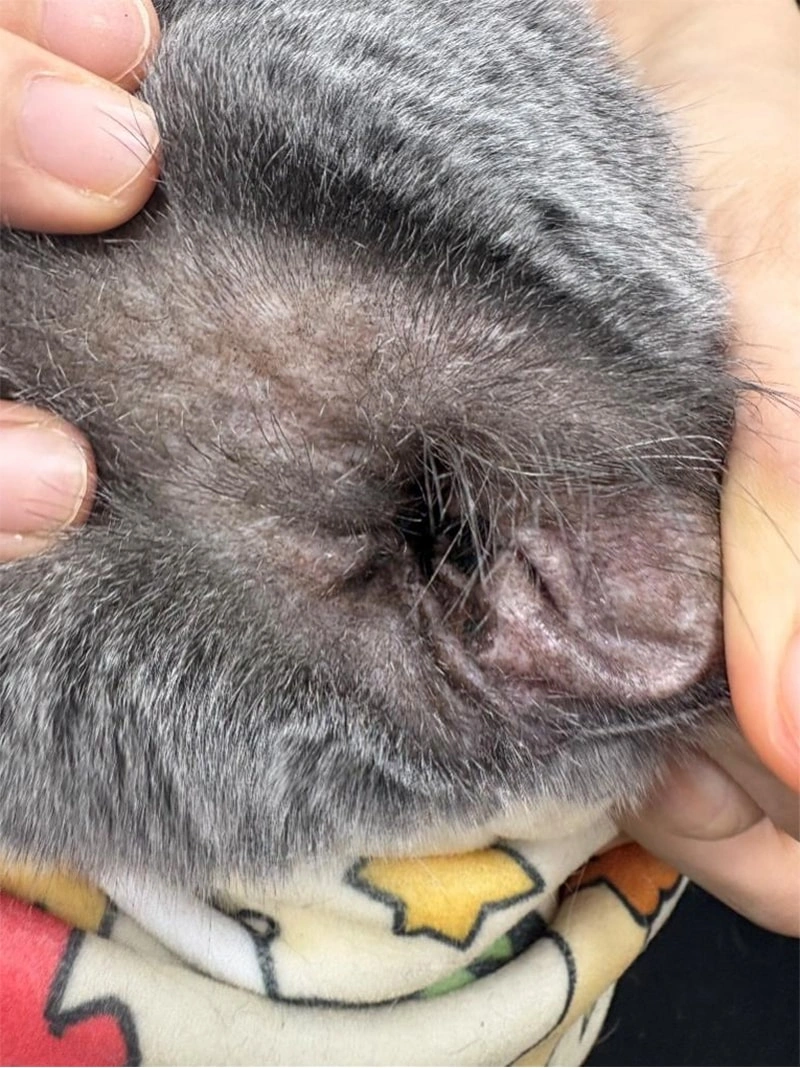
Ear problems are easy to overlook until your pet starts shaking their head, scratching constantly, or developing dark debris inside the ear. Many pet parents ask the same questions: Is it just wax? Could it be ear mites? Can ear mites come back after treatment? And how often should ears be cleaned?

Many pet parents want an easier way to support their cat’s oral health at home. Dental powders are popular because they can be added directly to food, but some formulas use seaweed or kelp-based ingredients. For cats with sensitive digestion, special diets, or thyroid concerns, some families may prefer a seaweed-free cat dental care routine.

A shiny, smooth coat is more than a beauty goal. For dogs and cats, coat condition often reflects overall skin health, nutrition, grooming habits, and daily comfort. A healthy coat should look glossy and feel soft, while dull, brittle, greasy, or flaky fur may suggest dryness, poor grooming, nutritional imbalance, allergies, parasites, or an underlying health issue. VCA notes that skin and coat appearance are useful indicators of general health in both dogs and cats.
Learn how to clean dogs teeth at home, what to use, how often to do it, and simple ways to support better pet dental cleaning as part of a gentle daily routine.
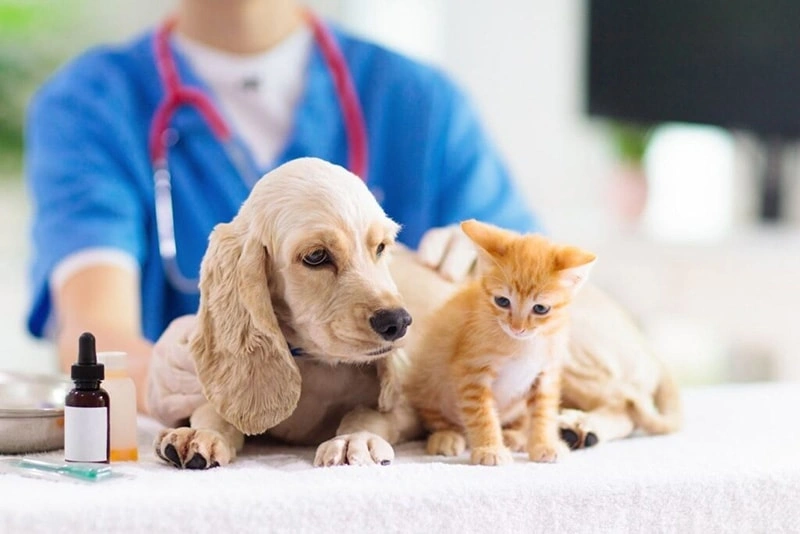
Vaccines and preventive care depend on species (dog/cat), age, lifestyle, and local laws—but there are reliable “core” basics almost every pet needs. Below is a practical schedule you can use to plan vet visits and ask the right questions.
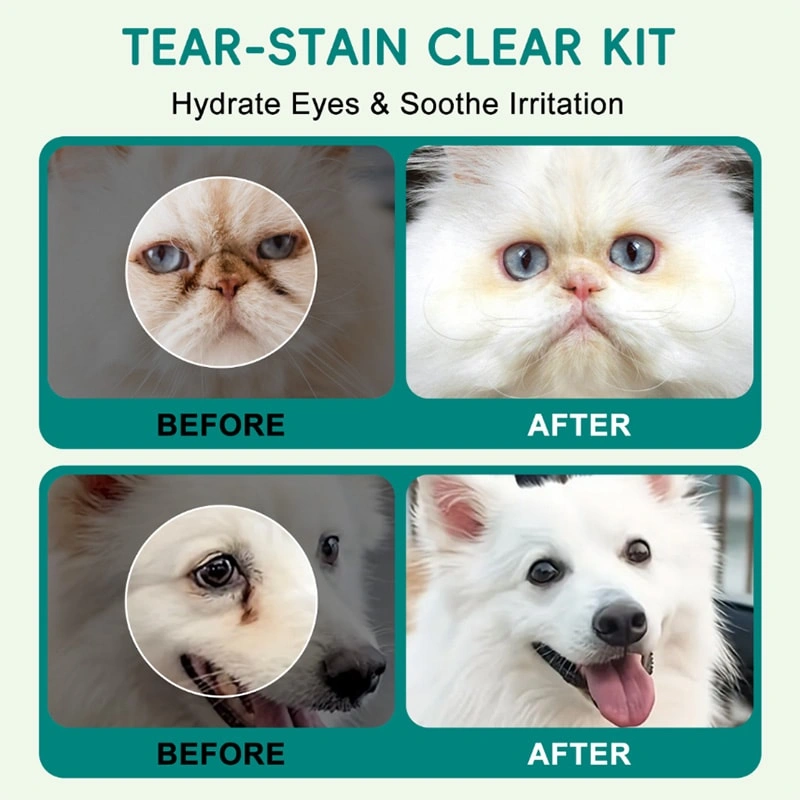
Tear stains are not a diagnosis—they’re a sign that tears (and the pigments inside them) are spending too much time on your dog’s face. Allergies can be one reason tear stains show up or get worse, but they’re only one piece of the puzzle. Many dogs have tear stains primarily because of anatomy, drainage, or mild eye irritation, even with “normal” tear production.
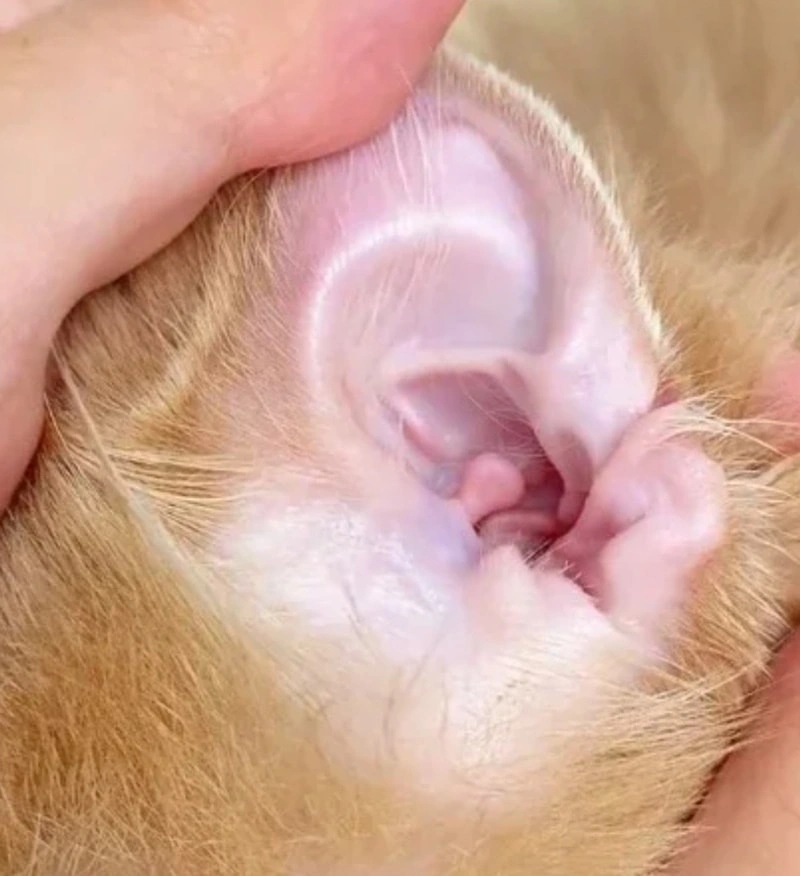
If you notice dark debris in your pet’s ears, it can be wax, ear mites, or an infection—and they can look similar at home. The safest approach is to compare symptoms + debris texture + recurrence, and seek veterinary confirmation when signs are strong.
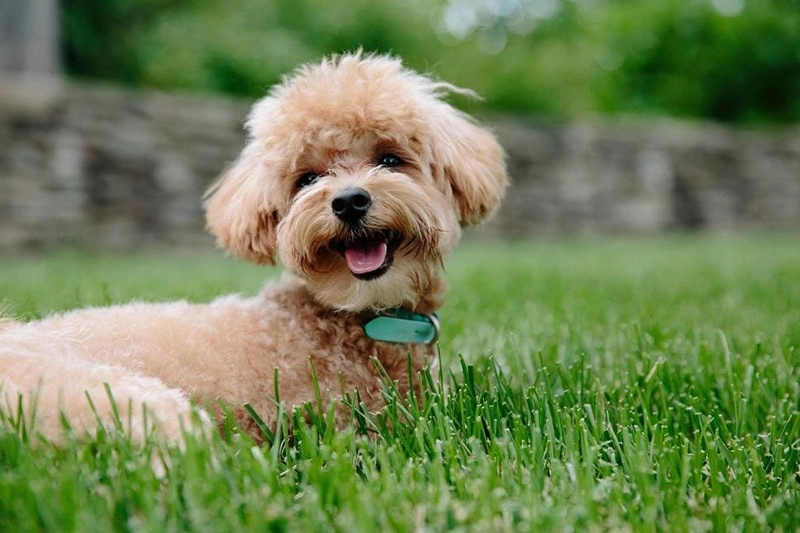
Daily cleaning can be safe for sensitive dogs—but only when it’s gentle, minimal, and consistent. For many “sensitive skin dogs and cats,” the goal isn’t to scrub the skin spotless; it’s to remove irritants and moisture without stripping the barrier.
Copyright © 2026 by Phytopaw Pet Health Limited All Rights Reserved