Daily dental care is one of those “small habits” that quietly protects a pet’s comfort for years. Plaque doesn’t wait—once it forms and hardens into tartar, home care becomes less effective, and gum inflammation can progress below the gumline.
For many families already committed to gentle daily skin care for pets, dental care fits the same mindset: calm, consistent, low-stress routines that support comfort over time. The same “steady routine” philosophy also pairs naturally with immune balanced pet care—because chronic mouth inflammation can affect more than just breath.
Plaque re-forms fast
Even after teeth look clean, plaque can attach again within about 24 hours if it isn’t disturbed.
That’s why “sometimes brushing” often turns into a cycle of: a little improvement → missed days → rapid buildup.
Brushing removes plaque—not tartar
Veterinary dental guidelines commonly emphasize that brushing is great at removing plaque, but once plaque mineralizes into calculus (tartar), it won’t brush off easily.
Pets hide mouth pain
Cats and dogs may keep eating even with significant dental discomfort. Subtle signs can be the first clue: chewing slower, head-turning, drooling, or becoming picky.
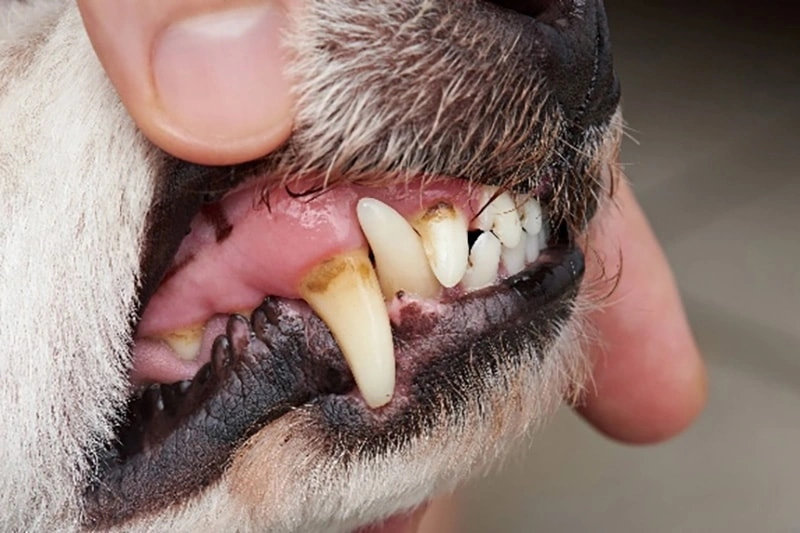
Dental disease usually follows a predictable “snowball” pattern:
1. Bad breath becomes constant
2. Plaque → tartar gathers along the gumline
3. Gingivitis: red, swollen, or bleeding gums
4. Periodontal disease: deeper infection/pockets, gum recession, pain
5. Loose teeth / tooth loss, possible abscesses and chronic discomfort
And here’s the hard truth: even daily brushing doesn’t eliminate the need for periodic veterinary dental exams and, when indicated, professional cleaning and dental X-rays—because disease can hide under the gumline.
· Persistent bad breath
· Visible yellow/brown tartar
· Red or bleeding gums
· Drooling, pawing at the mouth, or avoiding face touch
· Chewing on one side, dropping food, avoiding crunchy treats
· Reluctance to eat or weight changes
If your pet shows obvious pain, bleeding, swelling, or suddenly won’t eat—book a vet dental exam.
If your pet allows brushing (gold standard)
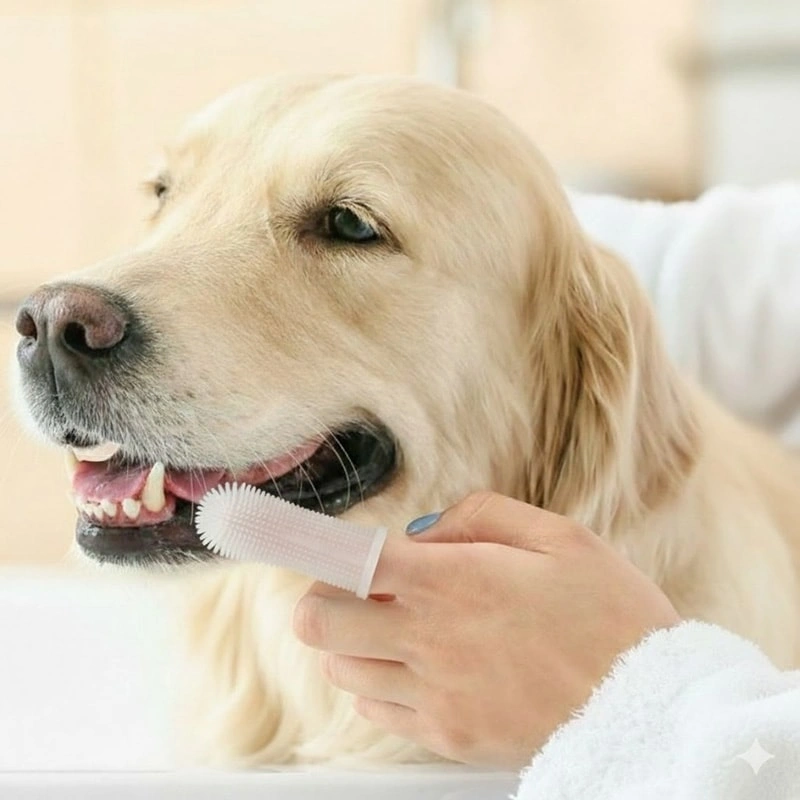
· Use a pet toothbrush (soft bristles) or a finger brush
· Use pet-safe toothpaste (never human toothpaste)
· Focus on the outer surfaces near the gumline
· 30–60 seconds per side is plenty when done consistently
If brushing is hard: build a “two-step” daily habit
Not every pet will accept full brushing at first—especially sensitive skin dogs and cats who are easily overwhelmed by handling. The key is to keep it gentle and repeatable.
A practical structure many owners find easier is:
1. Soften / disrupt plaque
2. Create a protective “finish” that helps slow regrowth
This is exactly where a kit format can help.
PlaqueOff Dental Kit is designed around a simple at-home routine for everyday maintenance:
· Plaque Softening Pen: supports loosening surface buildup and makes cleaning feel easier
· Dental Shield Pen: helps “finish” with a protective layer to support the gumline
· Fingertip Brush: a softer, more controllable option for pets who dislike long toothbrushes
How to use it (daily baseline)
· Step 1 — Plaque Softening Pen: apply along the outer tooth surfaces and gumline
· Step 2 — Fingertip Brush: gentle circular cleaning (start with front teeth if your pet resists)
· Step 3 — Dental Shield Pen: apply as a final layer, especially along the gumline
Who it’s best for
· Pets with mild to moderate tartar who need consistent maintenance
· Pets that tolerate short routines but resist full brushing
· Owners who want a repeatable plan that’s easy to do nightly
Safety notes (important)
· If gums are very inflamed, aggressive scrubbing can increase pain and aversion—go gentle and prioritize a vet check when inflammation is obvious.
· Always keep routines calm and short; for sensitive skin dogs and cats, the goal is cooperation, not perfection.
If you already value botanical pet skin care, your dental routine can follow the same principle: steady daily support instead of occasional “strong fixes.” That’s also why many owners prefer science backed herbal pet care philosophies—less drama, more consistency, better long-term comfort.
And just like gentle daily skin care for pets works best when it’s simple, dental care succeeds when it becomes automatic: same time, same steps, same calm vibe. Over time, these habits support immune balanced pet care by reducing chronic oral inflammation load.
References
· (AAHA Dental Care Guidelines for Dogs and Cats, 2019 PDF)
· (AAHA: Your Pet’s Dental Care, updated Feb 2024)
· (WSAVA Global Dental Guidelines PDF)
· (Cornell Feline Health Center: Feline Dental Disease)
· (VCA Hospitals: Dental Pain in Cats)

Learn which natural methods can reduce your pet’s exposure to fleas, ticks, and mosquitoes—and why heartworm prevention still requires veterinarian-recommended medication.

Are natural eye-care products effective for pets? Learn which ingredients are safe around dogs’ and cats’ eyes, what to avoid, and how to build a gentle daily routine.
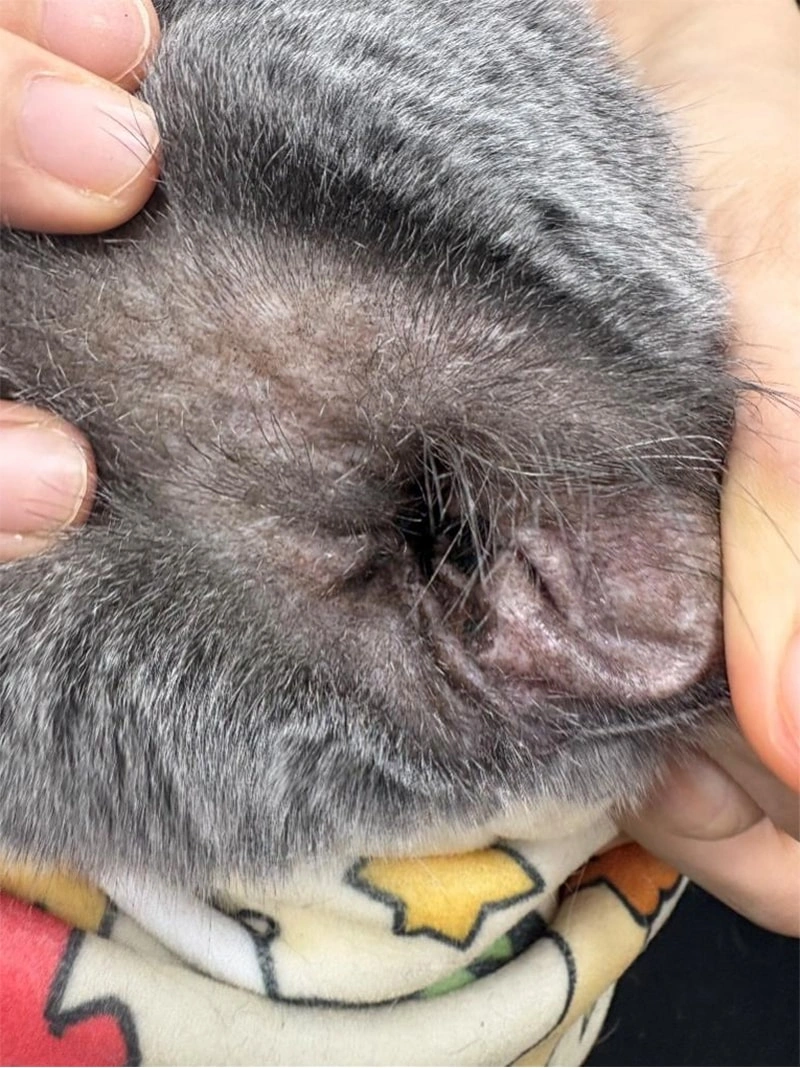
Ear problems are easy to overlook until your pet starts shaking their head, scratching constantly, or developing dark debris inside the ear. Many pet parents ask the same questions: Is it just wax? Could it be ear mites? Can ear mites come back after treatment? And how often should ears be cleaned?

Many pet parents want an easier way to support their cat’s oral health at home. Dental powders are popular because they can be added directly to food, but some formulas use seaweed or kelp-based ingredients. For cats with sensitive digestion, special diets, or thyroid concerns, some families may prefer a seaweed-free cat dental care routine.

A shiny, smooth coat is more than a beauty goal. For dogs and cats, coat condition often reflects overall skin health, nutrition, grooming habits, and daily comfort. A healthy coat should look glossy and feel soft, while dull, brittle, greasy, or flaky fur may suggest dryness, poor grooming, nutritional imbalance, allergies, parasites, or an underlying health issue. VCA notes that skin and coat appearance are useful indicators of general health in both dogs and cats.

Learn how to clean dogs teeth at home, what to use, how often to do it, and simple ways to support better pet dental cleaning as part of a gentle daily routine.
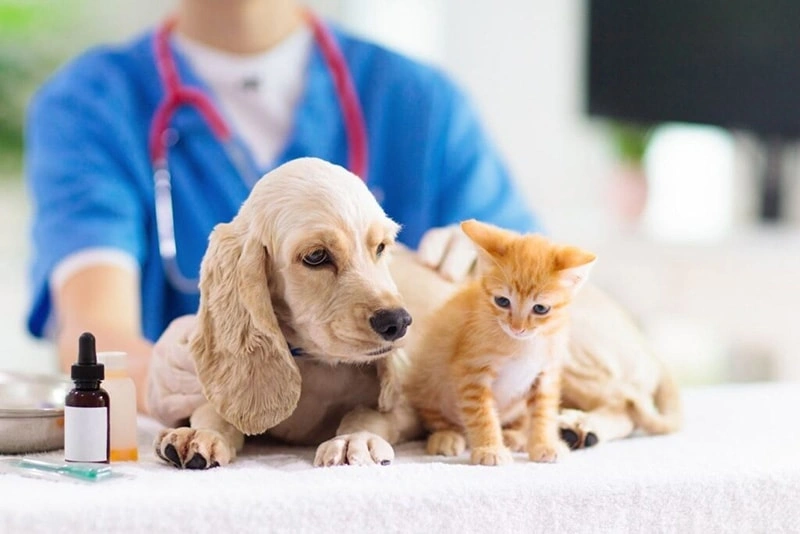
Vaccines and preventive care depend on species (dog/cat), age, lifestyle, and local laws—but there are reliable “core” basics almost every pet needs. Below is a practical schedule you can use to plan vet visits and ask the right questions.
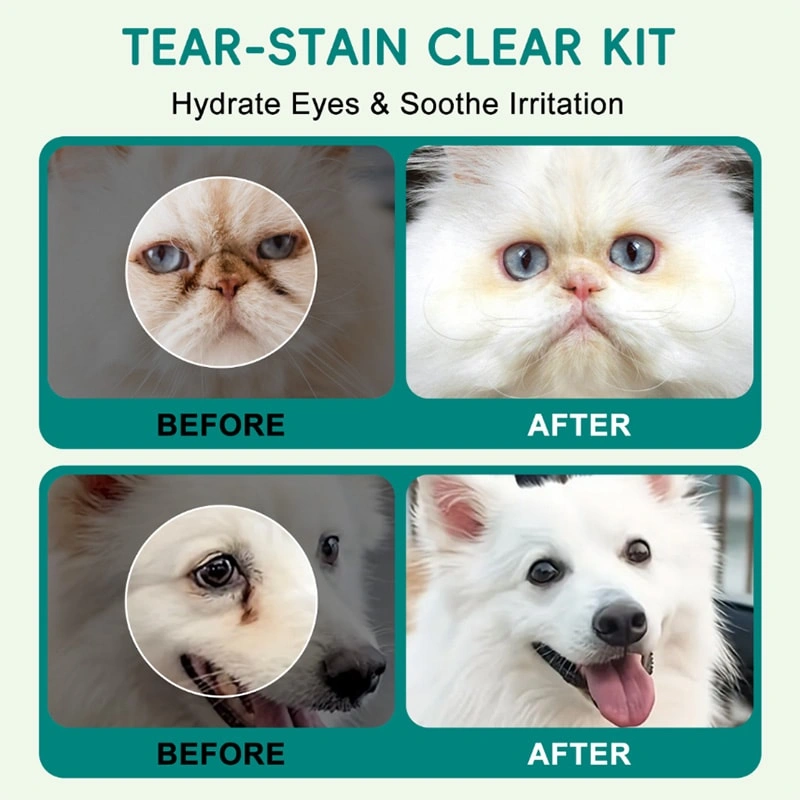
Tear stains are not a diagnosis—they’re a sign that tears (and the pigments inside them) are spending too much time on your dog’s face. Allergies can be one reason tear stains show up or get worse, but they’re only one piece of the puzzle. Many dogs have tear stains primarily because of anatomy, drainage, or mild eye irritation, even with “normal” tear production.
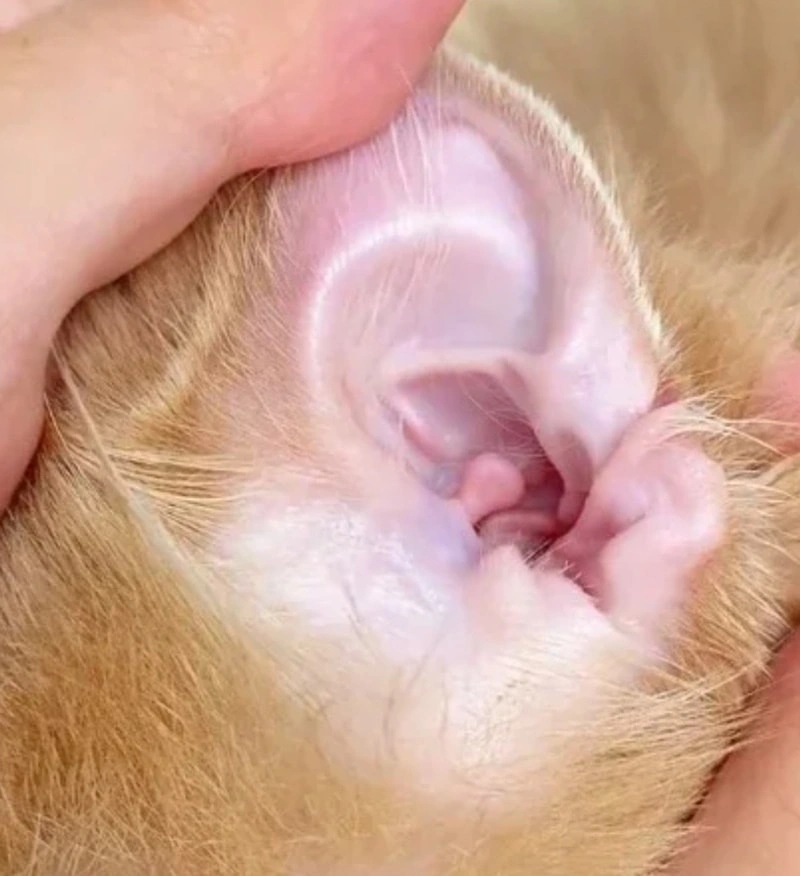
If you notice dark debris in your pet’s ears, it can be wax, ear mites, or an infection—and they can look similar at home. The safest approach is to compare symptoms + debris texture + recurrence, and seek veterinary confirmation when signs are strong.

Daily cleaning can be safe for sensitive dogs—but only when it’s gentle, minimal, and consistent. For many “sensitive skin dogs and cats,” the goal isn’t to scrub the skin spotless; it’s to remove irritants and moisture without stripping the barrier.
Copyright © 2026 by Phytopaw Pet Health Limited All Rights Reserved