Itching is one of the most common signs of skin discomfort in dogs and cats. While parasites or environmental factors can cause temporary scratching, many pets experience persistent, recurring itchiness without an obvious external trigger.
In these cases, itching is often linked to immune-related skin hypersensitivity — a condition where the pet’s own immune system overreacts, leading to chronic inflammation, barrier disruption, and ongoing discomfort.
Understanding immune-driven itching is essential for long-term skin health management.
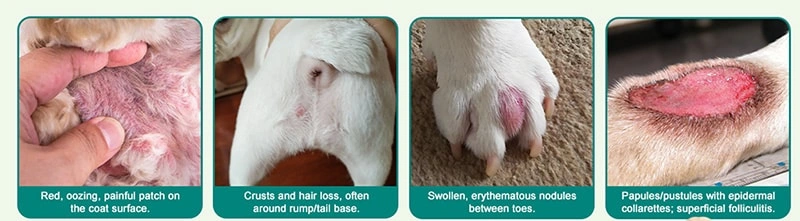
Not all itching starts on the surface. In many dogs and cats, the root cause lies in immune imbalance, where the skin becomes overly reactive to otherwise harmless stimuli.
This type of itching is commonly seen in:
· Pets with atopic dermatitis
· Animals prone to seasonal or recurrent allergies
· Pets that itch even when parasites are well controlled
· Dogs and cats with repeated flare-ups in the same skin areas
Instead of a single trigger, the immune system remains in a heightened state, continuously signaling inflammation and itch.
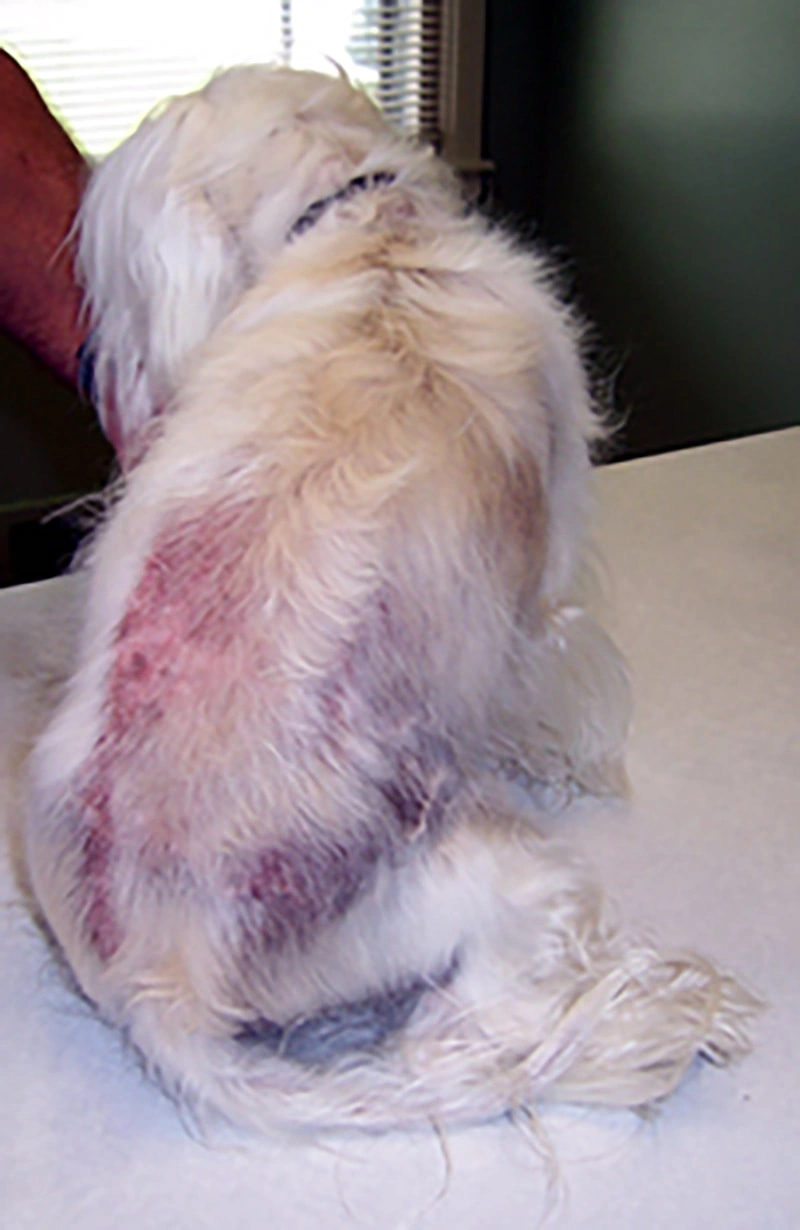
Common Signs of Immune-Driven Itching in Pets
Immune-related itching often presents differently from parasite-related scratching. Typical signs include:
· Persistent scratching, licking, or chewing with no visible fleas
· Redness, warmth, or thickened skin
· Recurrent itching on paws, belly, ears, or face
· Symptoms that worsen during stress or seasonal changes
· Temporary improvement followed by frequent relapse
Because the skin barrier is compromised, these pets are also more prone to secondary infections.
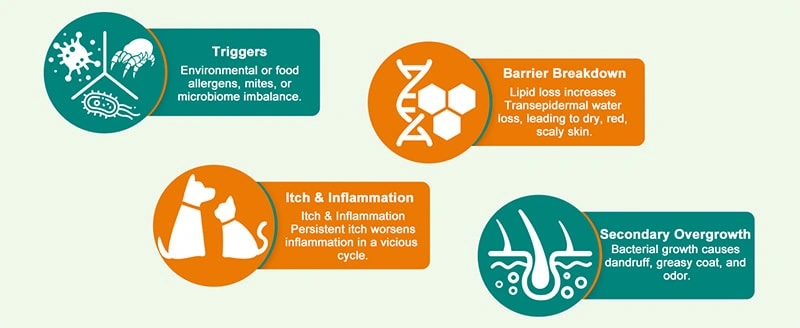
The skin is both a physical barrier and an immune organ. When immune regulation is disrupted:
· Inflammatory mediators increase itch signaling
· Skin barrier lipids weaken, allowing moisture loss
· Microbial balance on the skin surface becomes unstable
This creates a cycle of itch → scratching → inflammation → more itching, even without new allergens.
Supporting immune balance at the skin level is therefore a critical part of itch management.
Supporting Immune-Related Itching at Home
Veterinary diagnosis remains essential for persistent skin problems. However, for pets prone to immune-driven itching, daily skin support can help reduce flare frequency and intensity.
A topical product designed specifically for immune-sensitive skin can be used during:
· Early signs of itching
· Seasonal allergy flare-ups
· Stress-related skin reactions
· Maintenance between veterinary treatments
For pets experiencing self-triggered itching linked to immune hypersensitivity, the ImmuneBalance Skin Spray from PhytoPaw can be integrated into routine skin care.
How It Supports Immune-Sensitive Skin
The spray is formulated to:
· Calm immune-related skin inflammation
· Support skin barrier repair and hydration
· Reduce itch signaling at the skin surface
· Help stabilize the skin’s microenvironment
It is especially suitable for pets who:
· Itch without obvious external causes
· Experience repeated skin flare-ups
· Have a history of allergies or atopic tendencies
Recommended Use
· Apply directly to itchy or redness-prone areas
· Use during early itch signals to prevent escalation
· Safe for daily or long-term maintenance use
· No rinsing required
Consistent topical support helps reduce scratching behavior and improves overall skin comfort.
While supportive care is valuable, veterinary evaluation is necessary if:
· Itching is severe or worsening
· Skin lesions, infections, or hair loss develop
· Symptoms do not improve with routine care
Immune-related skin conditions often require a combined approach including diagnosis, diet management, and topical or medical therapies.

Persistent itching is not always caused by parasites or environment alone. In many dogs and cats, immune imbalance plays a central role in chronic skin discomfort.
By recognizing immune-driven itching early and supporting the skin with targeted daily care — alongside veterinary guidance — pet owners can help break the itch–inflammation cycle and improve long-term skin health.
References
1. American Veterinary College of Dermatology (AVCD).
Atopic Dermatitis (Allergic Skin Disease).
https://www.avcd.org/atopic-dermatitis
2. Olivry, T., et al. (2010).
Treatment of canine atopic dermatitis: 2010 clinical practice guidelines.
Veterinary Dermatology, 21(3), 233–248.
https://doi.org/10.1111/j.1365-3164.2010.00889.x
3. Marsella, R., et al. (2012).
Current understanding of the pathophysiology of canine atopic dermatitis.
Veterinary Dermatology, 23(4), 231–245.
https://doi.org/10.1111/j.1365-3164.2012.01064.x
4. Pucheu-Haston, C. M., et al. (2015).
Immune dysregulation in allergic skin disease of dogs and cats.
Veterinary Immunology and Immunopathology, 163(1–2), 41–52.
https://doi.org/10.1016/j.vetimm.2014.10.007
5. Santoro, D., & Marsella, R. (2014).
Skin barrier dysfunction in allergic dogs.
Veterinary Clinics of North America: Small Animal Practice, 44(1), 1–9.
https://doi.org/10.1016/j.cvsm.2013.09.002

Learn which natural methods can reduce your pet’s exposure to fleas, ticks, and mosquitoes—and why heartworm prevention still requires veterinarian-recommended medication.

Are natural eye-care products effective for pets? Learn which ingredients are safe around dogs’ and cats’ eyes, what to avoid, and how to build a gentle daily routine.
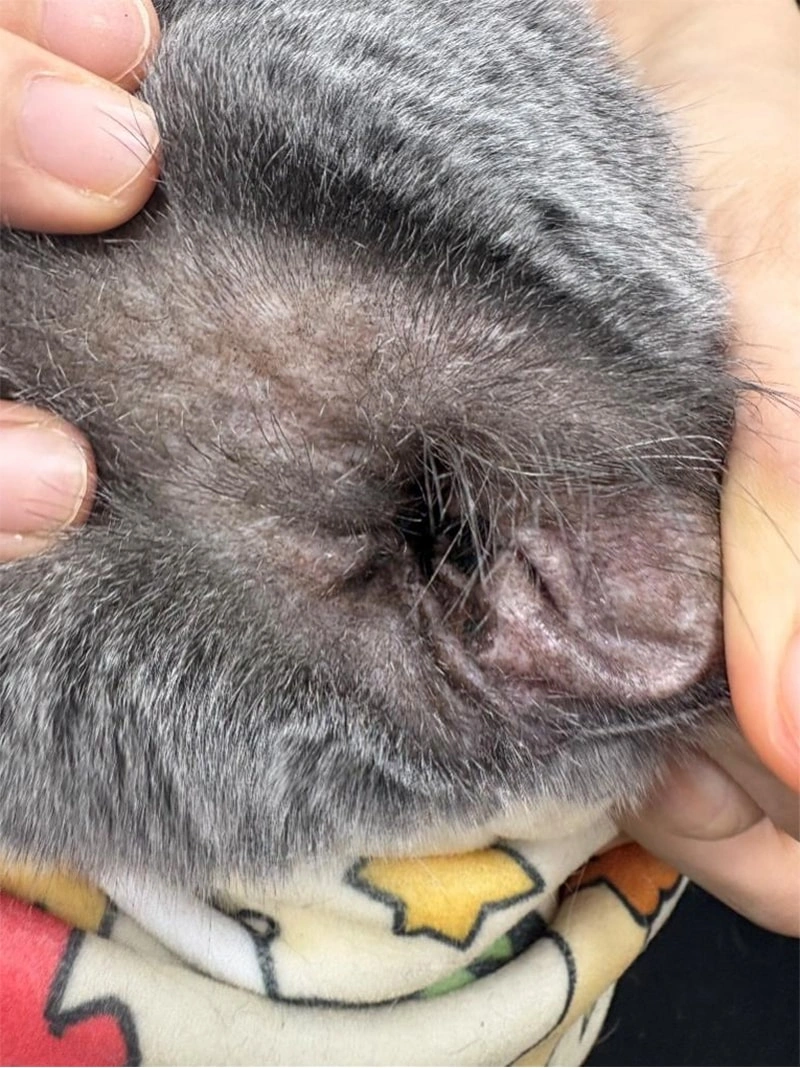
Ear problems are easy to overlook until your pet starts shaking their head, scratching constantly, or developing dark debris inside the ear. Many pet parents ask the same questions: Is it just wax? Could it be ear mites? Can ear mites come back after treatment? And how often should ears be cleaned?

Many pet parents want an easier way to support their cat’s oral health at home. Dental powders are popular because they can be added directly to food, but some formulas use seaweed or kelp-based ingredients. For cats with sensitive digestion, special diets, or thyroid concerns, some families may prefer a seaweed-free cat dental care routine.

A shiny, smooth coat is more than a beauty goal. For dogs and cats, coat condition often reflects overall skin health, nutrition, grooming habits, and daily comfort. A healthy coat should look glossy and feel soft, while dull, brittle, greasy, or flaky fur may suggest dryness, poor grooming, nutritional imbalance, allergies, parasites, or an underlying health issue. VCA notes that skin and coat appearance are useful indicators of general health in both dogs and cats.

Learn how to clean dogs teeth at home, what to use, how often to do it, and simple ways to support better pet dental cleaning as part of a gentle daily routine.
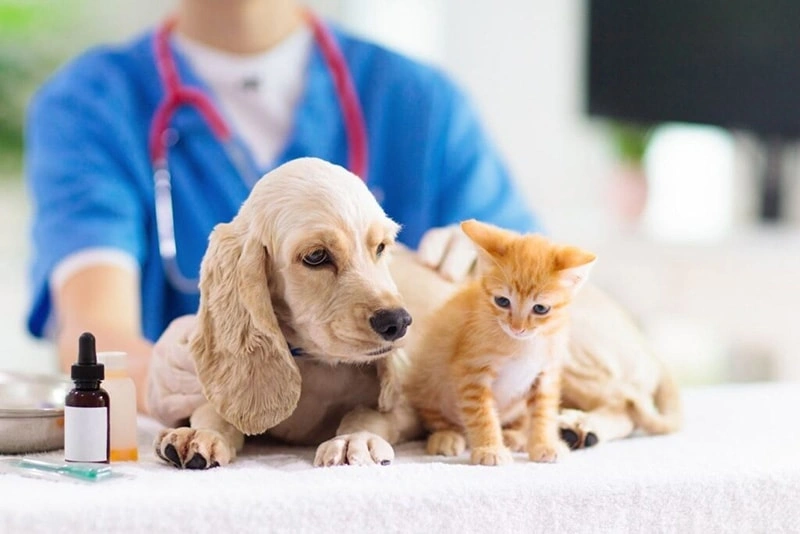
Vaccines and preventive care depend on species (dog/cat), age, lifestyle, and local laws—but there are reliable “core” basics almost every pet needs. Below is a practical schedule you can use to plan vet visits and ask the right questions.
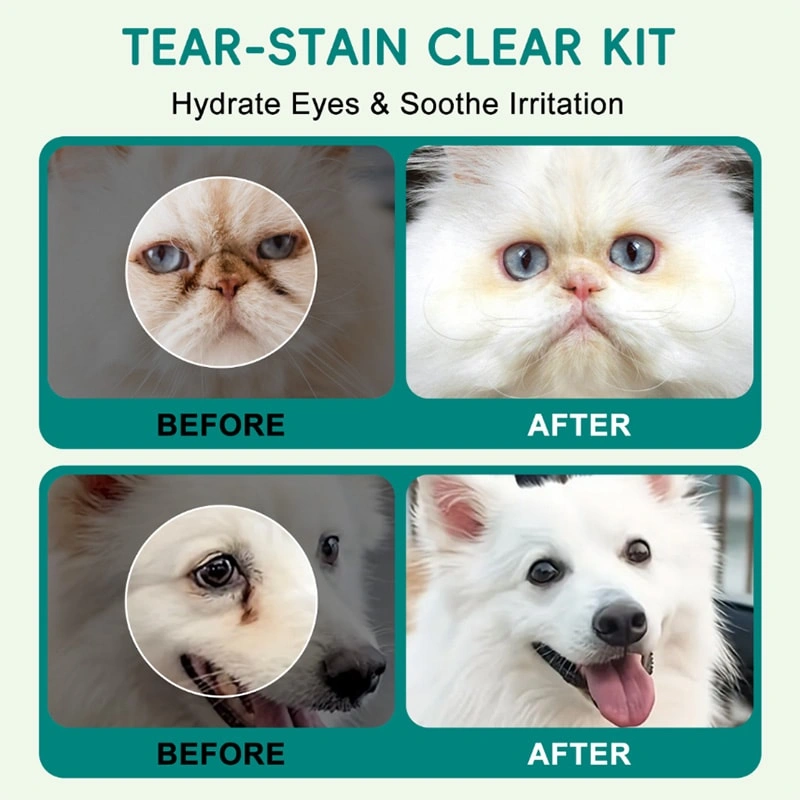
Tear stains are not a diagnosis—they’re a sign that tears (and the pigments inside them) are spending too much time on your dog’s face. Allergies can be one reason tear stains show up or get worse, but they’re only one piece of the puzzle. Many dogs have tear stains primarily because of anatomy, drainage, or mild eye irritation, even with “normal” tear production.
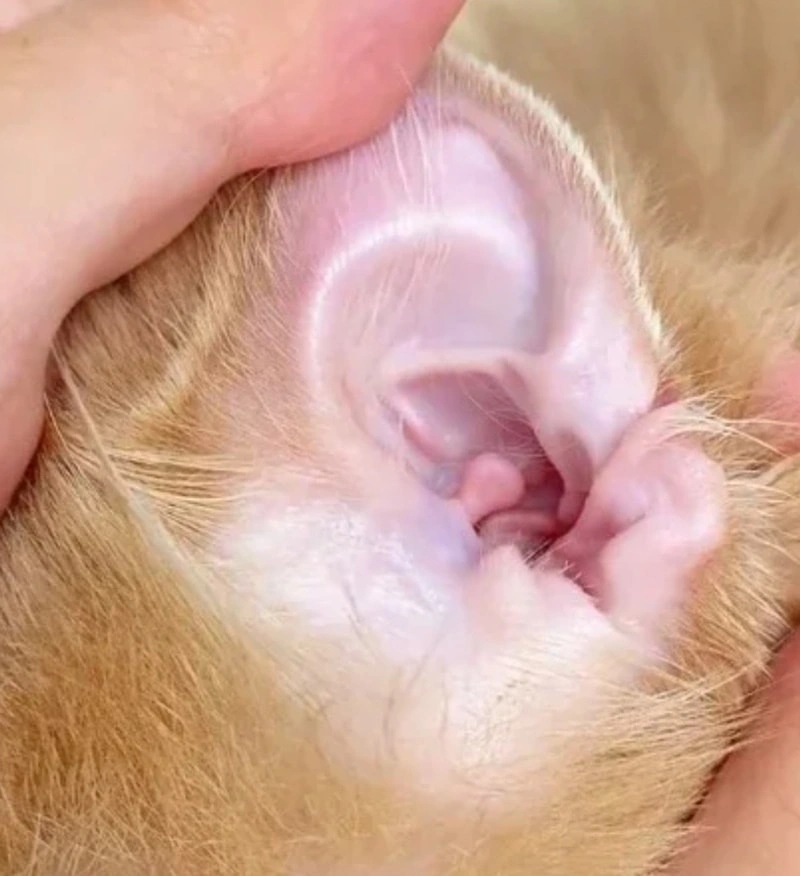
If you notice dark debris in your pet’s ears, it can be wax, ear mites, or an infection—and they can look similar at home. The safest approach is to compare symptoms + debris texture + recurrence, and seek veterinary confirmation when signs are strong.

Daily cleaning can be safe for sensitive dogs—but only when it’s gentle, minimal, and consistent. For many “sensitive skin dogs and cats,” the goal isn’t to scrub the skin spotless; it’s to remove irritants and moisture without stripping the barrier.
Copyright © 2026 by Phytopaw Pet Health Limited All Rights Reserved