If you've ever watched your dog or cat nibble on grass during a walk or in your backyard, you're not alone. Grass-eating is one of the most common—and most misunderstood—pet behaviors. Many pet parents ask the same questions: Why does my pet eat grass? And more importantly, is it safe or harmful?
While the behavior can look unusual, it’s often entirely normal. Still, understanding the reasons behind it can help you make better decisions for pet health and pet outdoor care.

Though no single cause has been proven, most experts agree on a combination of instinctive, emotional, and nutritional factors.
1. Digestive Support & Fiber Needs
One of the most common explanations is digestion.
Grass contains natural fiber, which may help support bowel movements and smooth the digestive process.
Pets may eat grass when:
· They need more roughage in their diet
· Their stomach feels mildly unsettled
· They want to stimulate a bowel movement
Interestingly, most pets who eat grass do not vomit afterward, showing that the behavior isn’t always linked to nausea.
2. Emotional or Behavioral Reasons
Grass-eating can also be emotional rather than physical.
Pets may chew grass when they feel:
· Bored
· Under-stimulated
· Anxious or nervous
· In need of sensory enrichment
For some pets, grazing becomes a soothing habit—similar to how humans may chew gum or fidget when stressed.
3. Instinctive Ancestral Behavior
Grass-eating may also be hardwired.
Wild canines and felines naturally consumed plant material found in prey animals’ stomachs and the environment. Modern pets may simply be expressing a normal foraging instinct, especially in outdoor settings where smells and textures are stimulating.
4. Some Pets Just Like Grass
Sometimes the simplest answer is the right one: pets may simply enjoy the taste or texture of fresh grass. Cool blades, morning dew, or new shoots can be especially appealing.
In most cases, eating grass is safe—but only under the right circumstances.

Generally Safe
· Occasional grazing is considered normal
· It usually doesn’t indicate illness
· Healthy pets often eat grass with no negative effects
Possible Risks
Grass may be harmful if:
· The lawn is treated with fertilizers, pesticides, or herbicides
· The grass is contaminated with feces from wildlife
· The pet eats large quantities and shows discomfort
· Grass-eating is accompanied by vomiting, diarrhea, or appetite loss
For good pet outdoor care, always make sure your pet’s walking or play areas are chemical-free and clean.
You should contact your veterinarian if your pet shows:
· Obsessive or compulsive grass-eating
· Frequent vomiting before or after eating grass
· Diarrhea, constipation, or changes in stool
· Loss of appetite or lethargy
· Sudden behavioral changes
These signs can indicate digestive conditions, food intolerances, parasites, or gastrointestinal inflammation.

If your pet’s grazing is mild and occasional, you may not need to intervene.
But if you want to reduce the habit—or if it feels excessive—these strategies can help.
1. Increase Dietary Fiber
Slight increases in fiber can naturally reduce the urge to graze.
2. Enrich Outdoor Time
Slow walks, sniffing time, toys, and training games help redirect boredom-driven grazing.
3. Provide Alternatives
Chew toys, treat puzzles, or safe low-calorie chews can satisfy the need for oral activity.
4. Improve Mental & Emotional Support
For anxious pets, more engagement, predictable routines, or calming enrichment can help.
5. Keep Your Yard Safe
Avoid chemical treatments, remove contaminated debris, and maintain regular parasite prevention.
For the vast majority of pets, grass-eating is a normal and harmless behavior that doesn’t require treatment. Still, understanding why dogs eat grass, safe or not empowers you to support better pet health and provide safer pet outdoor care.
As long as your pet shows no digestive trouble and the environment is safe, there’s usually nothing to worry about—just another charming (and occasionally quirky) part of pet life.

Learn which natural methods can reduce your pet’s exposure to fleas, ticks, and mosquitoes—and why heartworm prevention still requires veterinarian-recommended medication.

Are natural eye-care products effective for pets? Learn which ingredients are safe around dogs’ and cats’ eyes, what to avoid, and how to build a gentle daily routine.
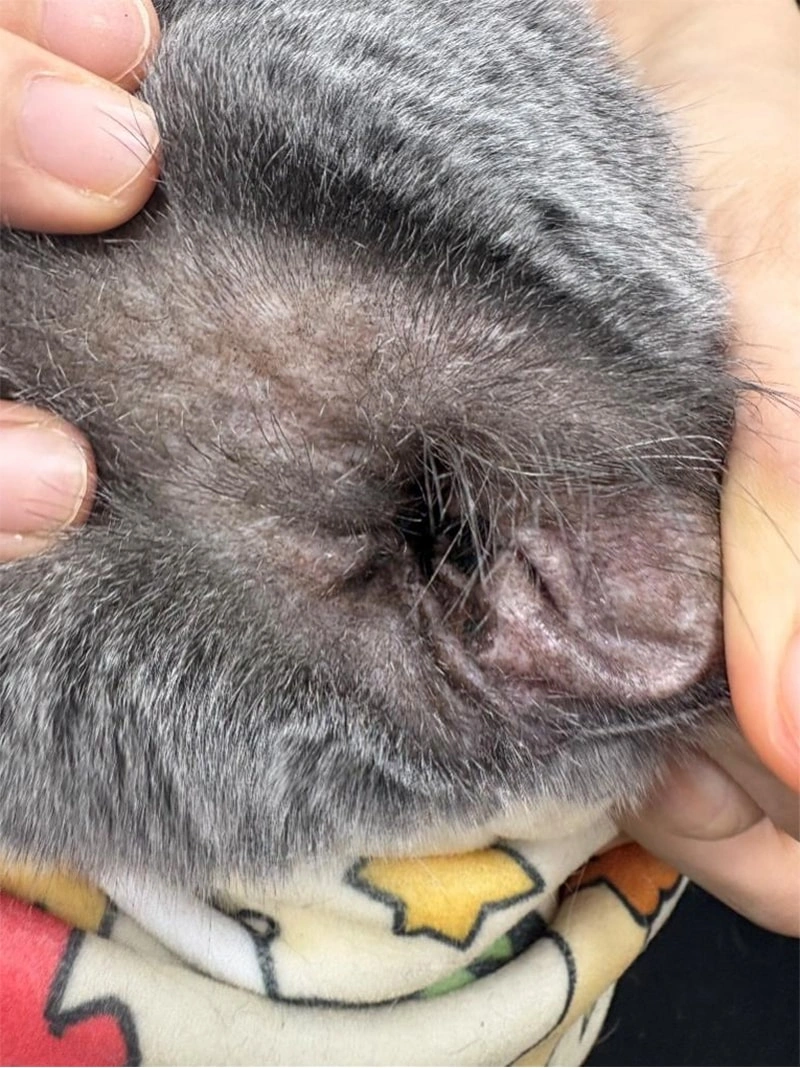
Ear problems are easy to overlook until your pet starts shaking their head, scratching constantly, or developing dark debris inside the ear. Many pet parents ask the same questions: Is it just wax? Could it be ear mites? Can ear mites come back after treatment? And how often should ears be cleaned?

Many pet parents want an easier way to support their cat’s oral health at home. Dental powders are popular because they can be added directly to food, but some formulas use seaweed or kelp-based ingredients. For cats with sensitive digestion, special diets, or thyroid concerns, some families may prefer a seaweed-free cat dental care routine.

A shiny, smooth coat is more than a beauty goal. For dogs and cats, coat condition often reflects overall skin health, nutrition, grooming habits, and daily comfort. A healthy coat should look glossy and feel soft, while dull, brittle, greasy, or flaky fur may suggest dryness, poor grooming, nutritional imbalance, allergies, parasites, or an underlying health issue. VCA notes that skin and coat appearance are useful indicators of general health in both dogs and cats.

Learn how to clean dogs teeth at home, what to use, how often to do it, and simple ways to support better pet dental cleaning as part of a gentle daily routine.
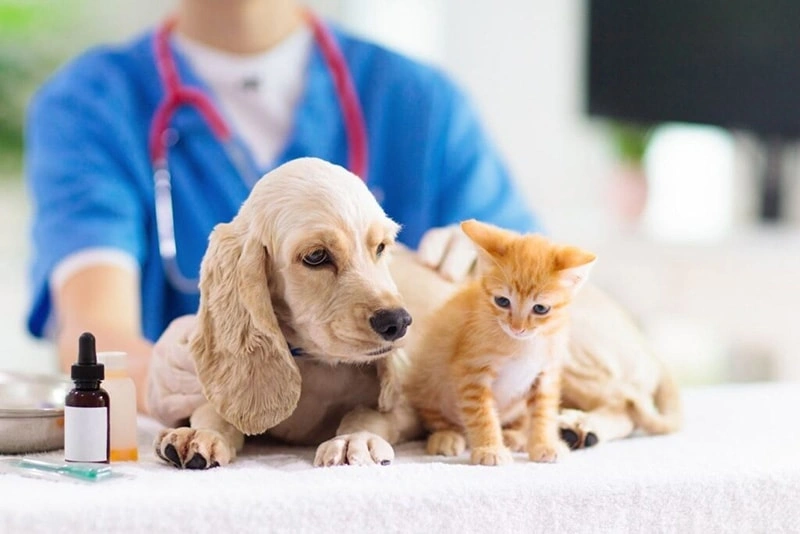
Vaccines and preventive care depend on species (dog/cat), age, lifestyle, and local laws—but there are reliable “core” basics almost every pet needs. Below is a practical schedule you can use to plan vet visits and ask the right questions.
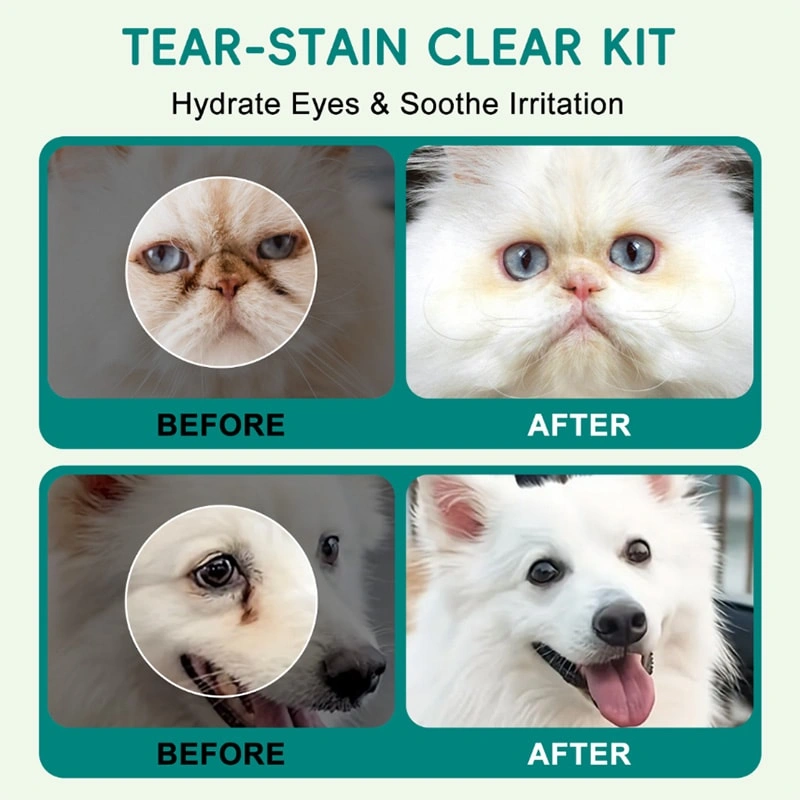
Tear stains are not a diagnosis—they’re a sign that tears (and the pigments inside them) are spending too much time on your dog’s face. Allergies can be one reason tear stains show up or get worse, but they’re only one piece of the puzzle. Many dogs have tear stains primarily because of anatomy, drainage, or mild eye irritation, even with “normal” tear production.
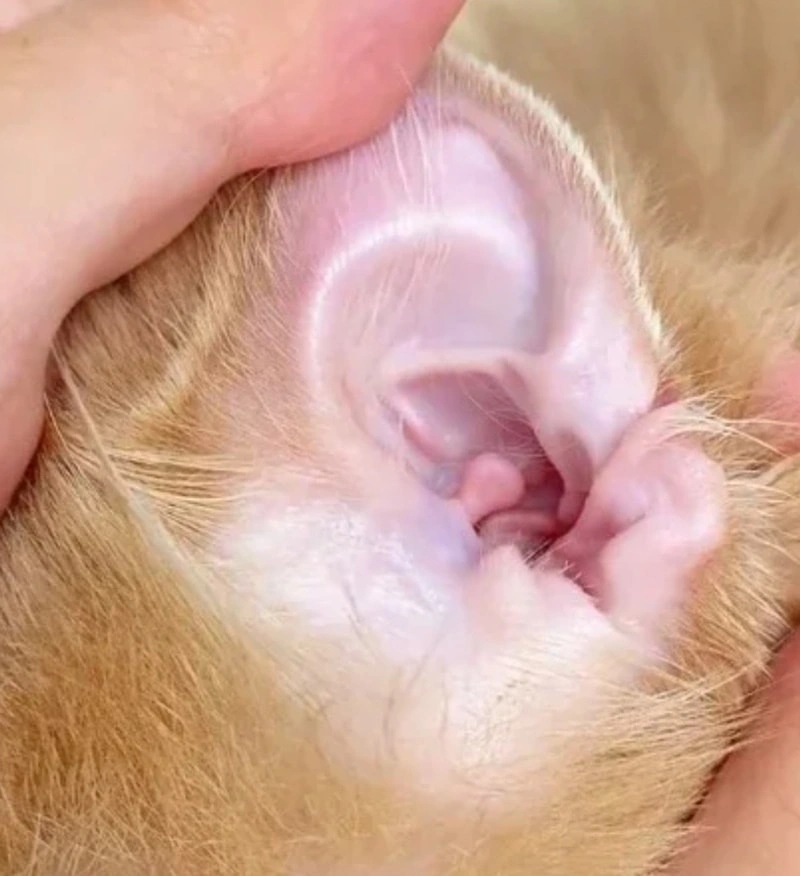
If you notice dark debris in your pet’s ears, it can be wax, ear mites, or an infection—and they can look similar at home. The safest approach is to compare symptoms + debris texture + recurrence, and seek veterinary confirmation when signs are strong.

Daily cleaning can be safe for sensitive dogs—but only when it’s gentle, minimal, and consistent. For many “sensitive skin dogs and cats,” the goal isn’t to scrub the skin spotless; it’s to remove irritants and moisture without stripping the barrier.
Copyright © 2026 by Phytopaw Pet Health Limited All Rights Reserved