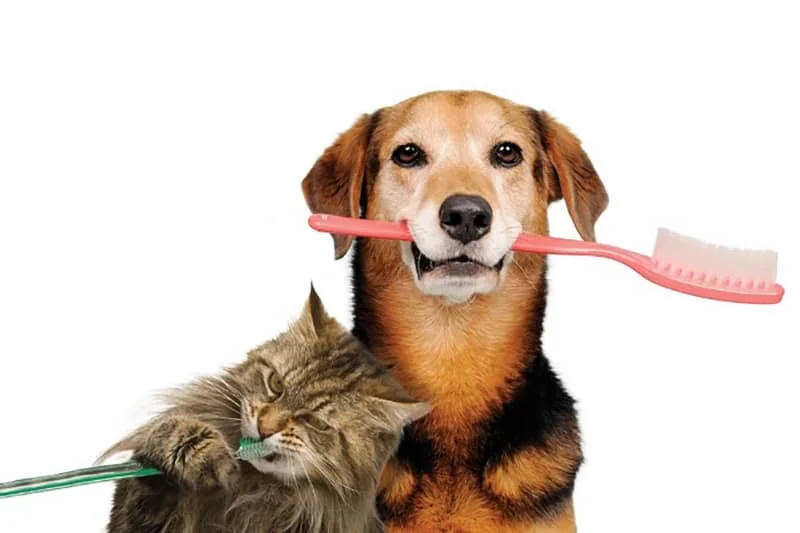
Dental disease is one of the most common yet frequently overlooked health conditions in dogs and cats. Research shows that over 70–80% of pets develop some form of dental disease by the age of three, often before owners notice any obvious symptoms.
Understanding the early warning signs of dental disease allows pet owners to intervene sooner, helping to prevent chronic pain, infection, and potential damage to vital organs.
Dental disease goes far beyond cosmetic issues such as bad breath or stained teeth. When plaque and tartar accumulate along the gum line, harmful bacteria thrive and may enter the bloodstream.
If left untreated, oral bacteria have been linked to systemic complications involving the heart, liver, and kidneys. Because pets instinctively mask discomfort, dental disease often progresses quietly until it reaches an advanced stage.
Routine observation and consistent dental care are key to protecting your pet’s overall health.

1. Persistent Bad Breath
Occasional mouth odor can be normal, but strong, ongoing bad breath is often the earliest indicator of dental disease. This odor is typically caused by bacterial buildup associated with plaque and tartar.
If regular brushing does not improve breath quality, deeper plaque management may be necessary.
2. Visible Plaque or Tartar
Yellow or brown deposits along the teeth—especially near the gum line—are signs of hardened tartar. Once plaque mineralizes, it becomes difficult to remove with brushing alone.
Early intervention using tartar-softening dental products may help slow progression toward gum disease.
3. Red, Swollen, or Bleeding Gums
Healthy gums should appear pink, firm, and non-bleeding. Redness, swelling, or bleeding often signals gingivitis, the earliest stage of periodontal disease.
Daily care with soothing, anti-inflammatory ingredients can help support gum comfort and oral balance.
4. Difficulty Eating or Chewing
Dental pain can affect how pets eat. Warning signs include:
· Avoiding hard kibble or treats
· Chewing on one side of the mouth
· Dropping food while eating
Any sudden change in eating behavior should prompt closer examination of oral health.
5. Excessive Drooling or Pawing at the Mouth
Unusual drooling, frequent pawing at the face, or reluctance to have the mouth touched may indicate oral discomfort. In more advanced cases, saliva may appear thicker or tinged with blood.
6. Loose or Missing Teeth
Adult pets should not lose teeth naturally. Loose or missing teeth are strong indicators of advanced periodontal disease and require prompt veterinary evaluation.
7. Behavioral Changes
Dental pain can subtly alter a pet’s behavior. Some pets may become:
· Irritable or withdrawn
· Less playful
· Resistant to face or mouth handling
These behavioral changes are often overlooked but can be meaningful signs of chronic discomfort.
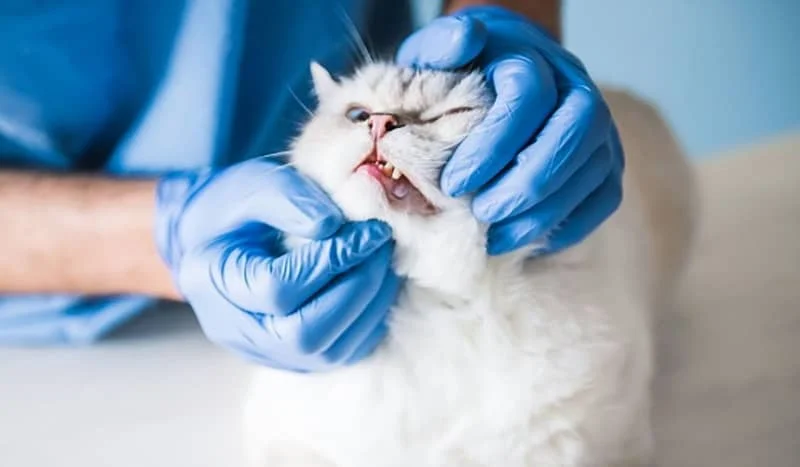
Professional veterinary dental cleanings remain essential, but daily at-home dental care plays a critical role in prevention. Consistent routines help reduce plaque buildup and support healthier gums between vet visits.
Targeted dental care production, such as the PlaqueOff Dental Kit, are designed to support daily oral care through a gentle, structured routine.
Step 1: Plaque Softening Pen
This step focuses on loosening hardened tartar and disrupting bacterial biofilm, making plaque easier to remove.
Key features include:
· Enzyme-assisted plaque breakdown
· Natural deodorizing support
· Gentle ingredients to help soothe irritated gums
Formulations often include components such as papain, lysozyme, persimmon extract, along with calming botanicals like chamomile and aloe vera.
Step 2: Dental Shield Pen
After cleaning, ongoing protection helps limit bacterial regrowth.
Benefits include:
· Antimicrobial barrier support
· Moisture and gum hydration
· Continued odor control
Ingredients such as zinc gluconate, hyaluronic acid, tea polyphenols, and propolis extract help maintain a healthier oral environment without the need for rinsing.
· Apply the Plaque Softening Pen directly to tartar-prone areas and allow it to sit for 3–5 minutes
· Gently remove softened plaque using a finger brush
· Apply the Dental Shield Pen along teeth and gum lines once daily
This routine supports cleaner teeth, healthier gums, and fresher breath over time.
If your pet shows signs such as facial swelling, persistent bleeding, weight loss, or severe pain, seek veterinary care immediately. While home dental care is effective for prevention and maintenance, advanced dental disease requires professional treatment.
Dental disease in pets is common—but largely preventable. By recognizing early signs, maintaining consistent oral care routines, and using targeted dental solutions, pet owners can significantly improve their pets’ comfort and long-term health.
Healthy teeth are not just about appearance—they are a vital part of a healthier, happier life.
References
1. American Veterinary Dental College (AVDC). Periodontal Disease in Pets.
https://avdc.org/pet-owner-resources/periodontal-disease/
2. World Small Animal Veterinary Association (WSAVA)
Dental Guidelines for Dogs and Cats
WSAVA Global Dental Guidelines Committee.
https://wsava.org/global-guidelines/dental-guidelines/
https://doi.org/10.3389/fvets.2018.00140

Learn which natural methods can reduce your pet’s exposure to fleas, ticks, and mosquitoes—and why heartworm prevention still requires veterinarian-recommended medication.

Are natural eye-care products effective for pets? Learn which ingredients are safe around dogs’ and cats’ eyes, what to avoid, and how to build a gentle daily routine.
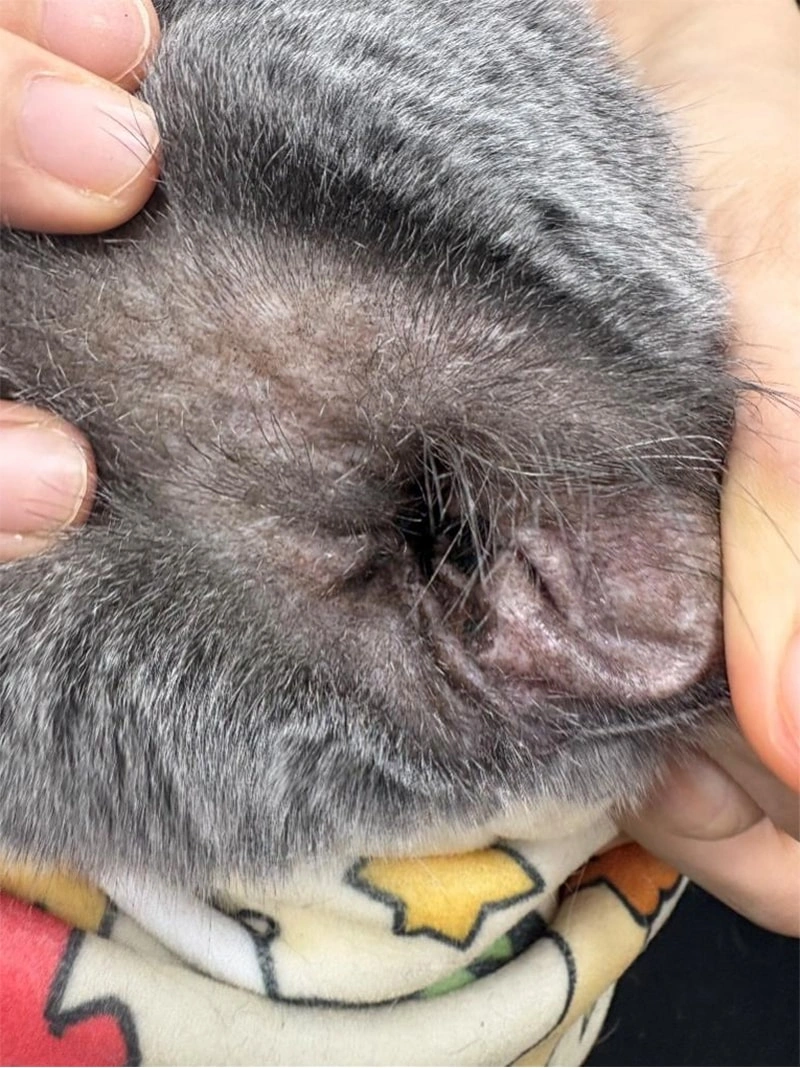
Ear problems are easy to overlook until your pet starts shaking their head, scratching constantly, or developing dark debris inside the ear. Many pet parents ask the same questions: Is it just wax? Could it be ear mites? Can ear mites come back after treatment? And how often should ears be cleaned?

Many pet parents want an easier way to support their cat’s oral health at home. Dental powders are popular because they can be added directly to food, but some formulas use seaweed or kelp-based ingredients. For cats with sensitive digestion, special diets, or thyroid concerns, some families may prefer a seaweed-free cat dental care routine.

A shiny, smooth coat is more than a beauty goal. For dogs and cats, coat condition often reflects overall skin health, nutrition, grooming habits, and daily comfort. A healthy coat should look glossy and feel soft, while dull, brittle, greasy, or flaky fur may suggest dryness, poor grooming, nutritional imbalance, allergies, parasites, or an underlying health issue. VCA notes that skin and coat appearance are useful indicators of general health in both dogs and cats.

Learn how to clean dogs teeth at home, what to use, how often to do it, and simple ways to support better pet dental cleaning as part of a gentle daily routine.
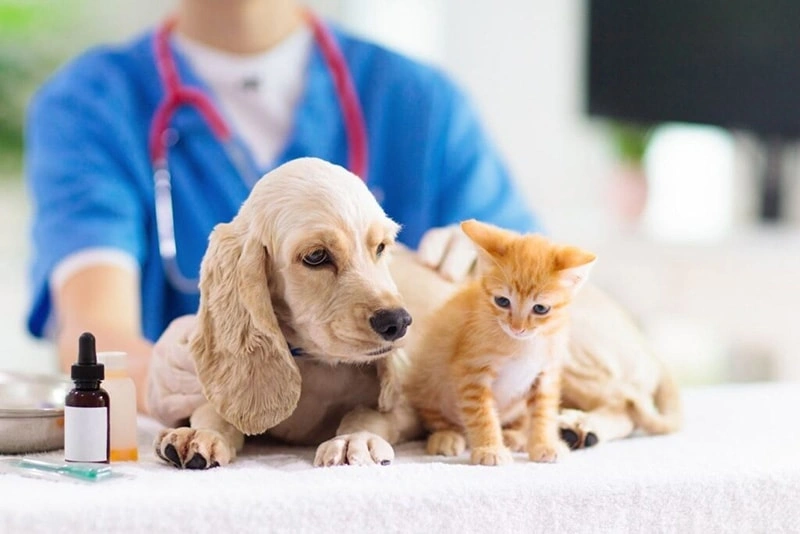
Vaccines and preventive care depend on species (dog/cat), age, lifestyle, and local laws—but there are reliable “core” basics almost every pet needs. Below is a practical schedule you can use to plan vet visits and ask the right questions.
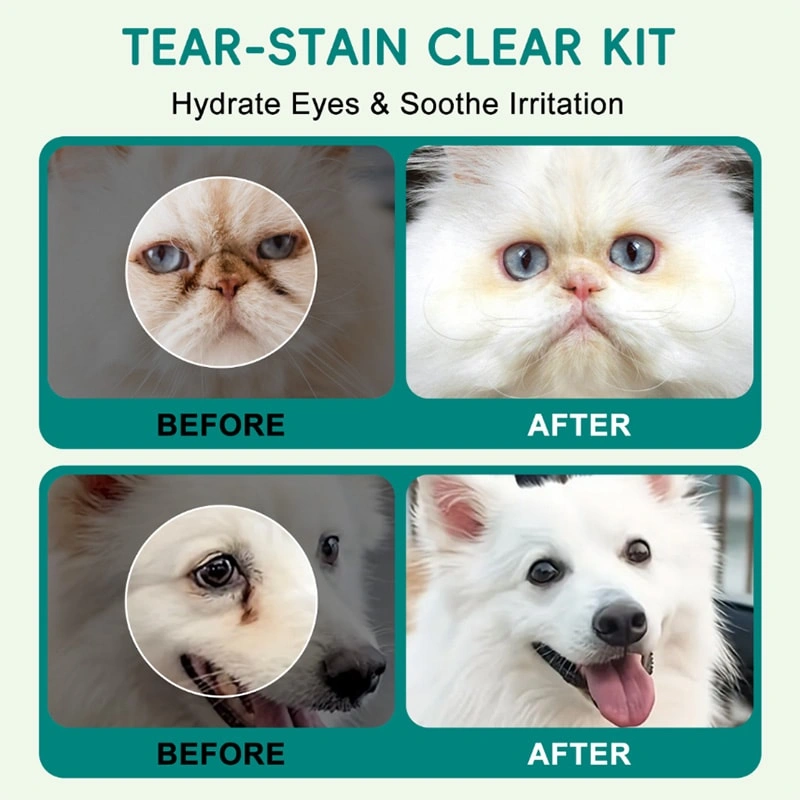
Tear stains are not a diagnosis—they’re a sign that tears (and the pigments inside them) are spending too much time on your dog’s face. Allergies can be one reason tear stains show up or get worse, but they’re only one piece of the puzzle. Many dogs have tear stains primarily because of anatomy, drainage, or mild eye irritation, even with “normal” tear production.
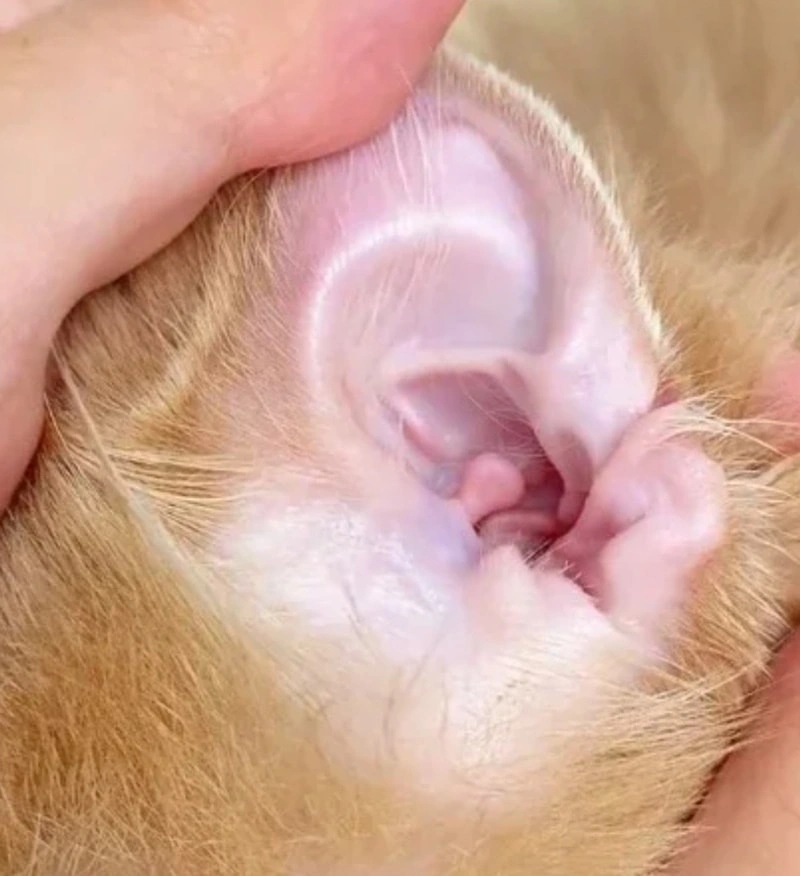
If you notice dark debris in your pet’s ears, it can be wax, ear mites, or an infection—and they can look similar at home. The safest approach is to compare symptoms + debris texture + recurrence, and seek veterinary confirmation when signs are strong.

Daily cleaning can be safe for sensitive dogs—but only when it’s gentle, minimal, and consistent. For many “sensitive skin dogs and cats,” the goal isn’t to scrub the skin spotless; it’s to remove irritants and moisture without stripping the barrier.
Copyright © 2026 by Phytopaw Pet Health Limited All Rights Reserved