Daily cleaning can be safe for sensitive dogs—but only when it’s gentle, minimal, and consistent. For many “sensitive skin dogs and cats,” the goal isn’t to scrub the skin spotless; it’s to remove irritants and moisture without stripping the barrier.
Below is a practical routine, plus what diet and water can (and can’t) change about tear stains.

For sensitive pets, daily cleaning should look like light maintenance, not “deep cleaning.”
Safe daily cleaning
· A soft wipe of high-contact areas: eye corners, mouth folds, paws, belly, and any skin folds
· Short contact time, no harsh rubbing
· Drying the area well (especially around eyes and folds)
This aligns with the “support and maintain” mindset of gentle daily skin care for pets—small steps that prevent buildup, rather than aggressive routines that trigger flare-ups.
What to avoid (even if your dog gets stains fast):
· Alcohol-based wipes, hydrogen peroxide, vinegar mixes
· Whitening/bleaching products around eyes
· Frequent “wetting” of the same area without drying (this can worsen microbial overgrowth)
If your dog’s skin gets red easily, daily cleaning is safest when it protects the skin barrier—not when it tries to erase every trace of discoloration.
Skip home cleaning and contact your veterinarian if you see:
· Squinting, eye redness, swelling, or obvious pain
· Thick yellow/green discharge
· Sudden increase in tearing (epiphora)
· Raw skin, open sores, bleeding, or strong odor near the eyes/folds
These can signal infection, blocked tear drainage, eyelid/eyelash irritation, allergies, or other eye conditions that need diagnosis (not stronger wipes).
Tear stains are usually not “dirt.” They’re the visible result of:
1. Tears overflowing (too many tears or poor drainage)
2. Moisture staying in the fur/skin folds
3. Microbial overgrowth in a warm, damp area
4. Porphyrins (iron-containing pigments) that oxidize and darken on the coat
This is why “just wiping” often isn’t enough—because the wet environment remains. (This same logic is emphasized in your tear-stain article attachment.)
Why do tear stains keep coming …
Sometimes—indirectly.
Diet can influence tear staining if it changes:
· Allergy load / inflammation
Why do tear stains keep coming …
with food sensitivities)
· Gut comfort (less common, but some pets show reduced face-rubbing/irritation after diet changes)
· Porphyrin visibility (some sources suggest higher-iron diets may correlate with darker staining in some dogs, though this isn’t a simple “iron = stains” rule for every pet)
What’s practical (and safe) to do:
· Keep diet consistent and complete (avoid constant switching that upsets the gut)
· If you suspect food sensitivity: work with your vet on a structured diet trial, rather than guessing
It can—especially if your tap water is high in minerals (often described as “hard water”) or iron.
Some veterinary clinics and pet-health sources suggest that if water is high in mineral content, trying filtered water (or a different source) may help in certain dogs.
Practical steps (low effort):
· Try filtered water for 3–4 weeks (enough time to see change in new hair growth)
· Keep bowls clean (biofilm buildup can irritate face/eyes in some pets)
Important reality check: water changes won’t fix stains caused by anatomy (flat faces), blocked tear ducts, eyelid irritation, or infections—those need targeted care.
The 60-second “clean + dry” method
1. Soften first (optional): if crusts are stuck, use a warm damp pad for a few seconds
2. Wipe gently from the inner corner outward (never scrub back-and-forth)
3. Dry thoroughly with a clean, soft pad (this step is huge for stain-prone dogs)
This is the heart of immune balanced pet care: reduce irritation triggers daily so the body isn’t stuck in a constant “tear → wet → irritate → tear more” loop.
For stain-prone dogs—especially those that can’t tolerate harsh removers—the routine works best when the product is designed for daily periocular hygiene: gentle cleansing, support for microbial balance, and moisture control.
How the PhytoPaw Tear-stain Clear Kit fits the sensitive-skin strategy
· Gentle daily cleansing: helps lift tear residue before it oxidizes into darker staining
· Microbial balance support: helps reduce the “damp area” overgrowth problem that makes stains and odor rebound
· Moisture control without harsh stripping: keeps the area clean while respecting the skin barrier
· Built for consistency: daily use matters most for long-term results
Why do tear stains keep coming …
This is the “steady routine” mindset of science backed herbal pet care: not a quick bleach-fix, but a daily system that supports a healthier eye environment over time.
Simple use pattern
· 1–2x daily for heavy tearing seasons or flat-faced breeds
· Once daily for maintenance
· Always finish by drying the area
· Daily cleaning is safe for sensitive dogs wh
Why do tear stains keep coming …
ief + followed by drying**.
· Diet and water can influence tear stains, but they’re usually supporting factors, not the root cause.
· The most reliable improvements come from consistent daily care that manages residue + moisture + microbial balance (exactly why a purpose-built kit tends to outperform random wipes).
References
· VCA Hospitals. Puppy Tear Stains: Causes, Treatment & Prevention.
· PetMD. Dog Tear Stains: Causes, Treatment, and Prevention.
· Smithfield Animal Hospital. A Veterinary Guide to Stubborn Tear Stains on Dogs (water mineral considerations).
· Zoetis Petcare. Understanding and Cleaning Dog Tear Stains (porphyrins; water minerals).

Learn which natural methods can reduce your pet’s exposure to fleas, ticks, and mosquitoes—and why heartworm prevention still requires veterinarian-recommended medication.

Are natural eye-care products effective for pets? Learn which ingredients are safe around dogs’ and cats’ eyes, what to avoid, and how to build a gentle daily routine.
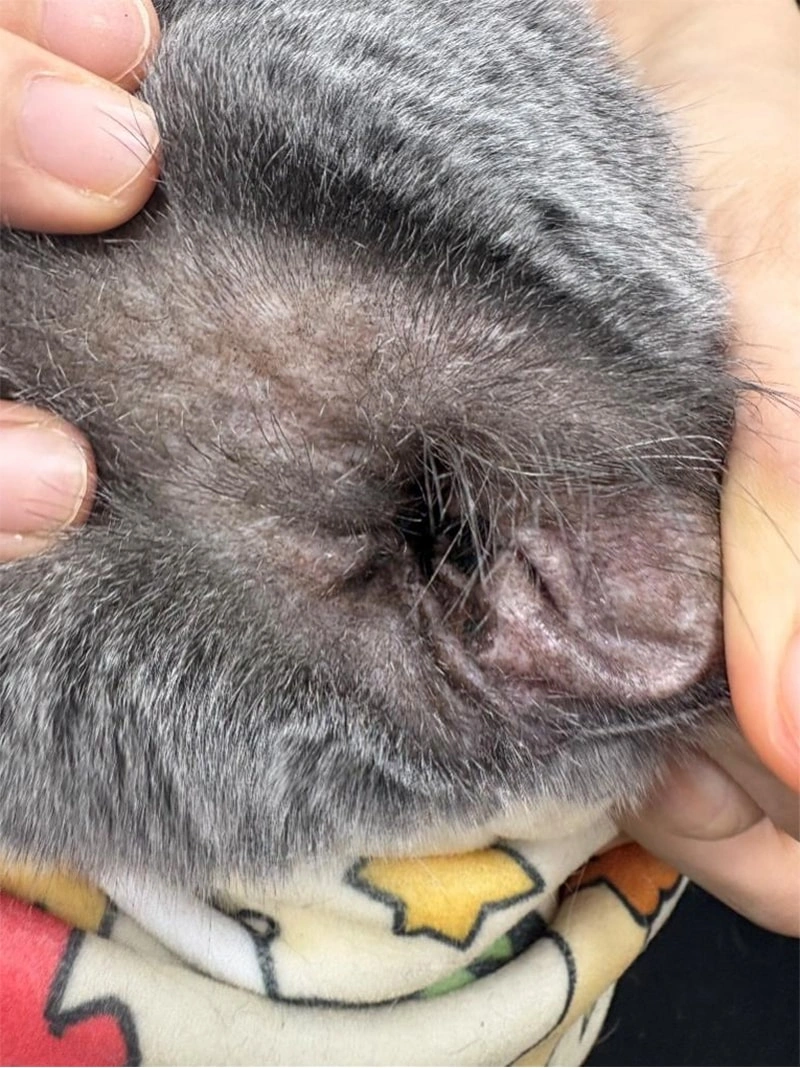
Ear problems are easy to overlook until your pet starts shaking their head, scratching constantly, or developing dark debris inside the ear. Many pet parents ask the same questions: Is it just wax? Could it be ear mites? Can ear mites come back after treatment? And how often should ears be cleaned?

Many pet parents want an easier way to support their cat’s oral health at home. Dental powders are popular because they can be added directly to food, but some formulas use seaweed or kelp-based ingredients. For cats with sensitive digestion, special diets, or thyroid concerns, some families may prefer a seaweed-free cat dental care routine.

A shiny, smooth coat is more than a beauty goal. For dogs and cats, coat condition often reflects overall skin health, nutrition, grooming habits, and daily comfort. A healthy coat should look glossy and feel soft, while dull, brittle, greasy, or flaky fur may suggest dryness, poor grooming, nutritional imbalance, allergies, parasites, or an underlying health issue. VCA notes that skin and coat appearance are useful indicators of general health in both dogs and cats.

Learn how to clean dogs teeth at home, what to use, how often to do it, and simple ways to support better pet dental cleaning as part of a gentle daily routine.
Vaccines and preventive care depend on species (dog/cat), age, lifestyle, and local laws—but there are reliable “core” basics almost every pet needs. Below is a practical schedule you can use to plan vet visits and ask the right questions.
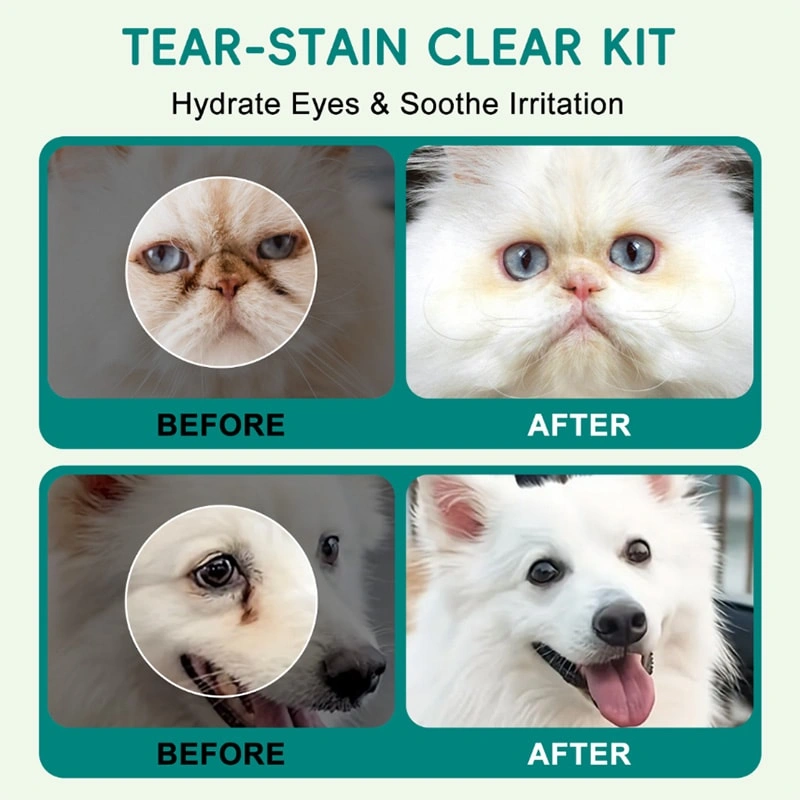
Tear stains are not a diagnosis—they’re a sign that tears (and the pigments inside them) are spending too much time on your dog’s face. Allergies can be one reason tear stains show up or get worse, but they’re only one piece of the puzzle. Many dogs have tear stains primarily because of anatomy, drainage, or mild eye irritation, even with “normal” tear production.
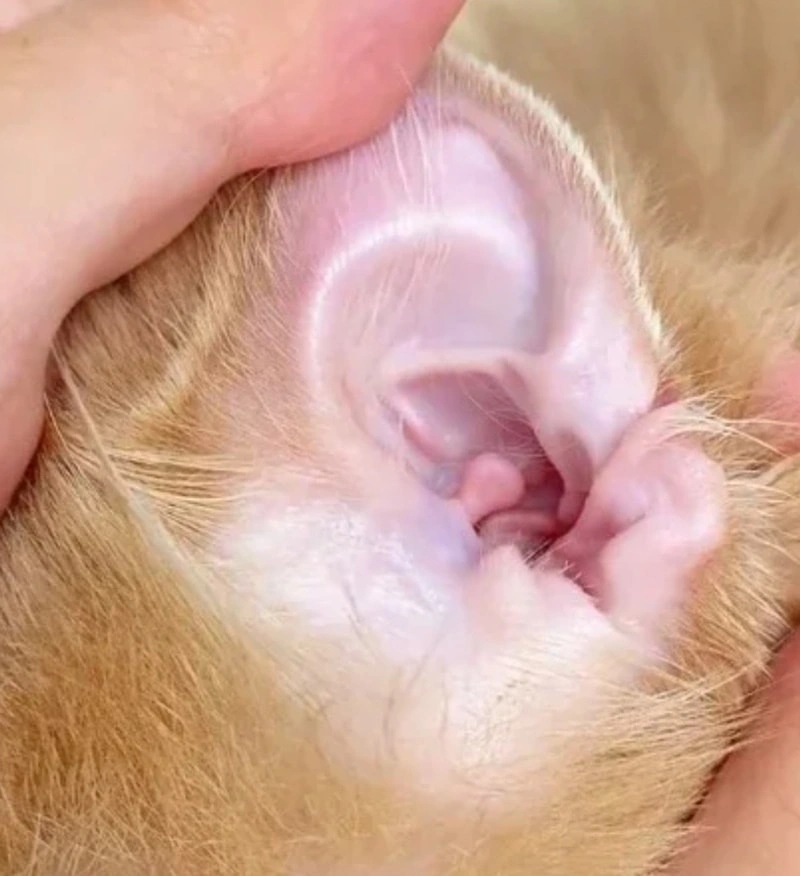
If you notice dark debris in your pet’s ears, it can be wax, ear mites, or an infection—and they can look similar at home. The safest approach is to compare symptoms + debris texture + recurrence, and seek veterinary confirmation when signs are strong.

Daily cleaning can be safe for sensitive dogs—but only when it’s gentle, minimal, and consistent. For many “sensitive skin dogs and cats,” the goal isn’t to scrub the skin spotless; it’s to remove irritants and moisture without stripping the barrier.
Copyright © 2026 by Phytopaw Pet Health Limited All Rights Reserved