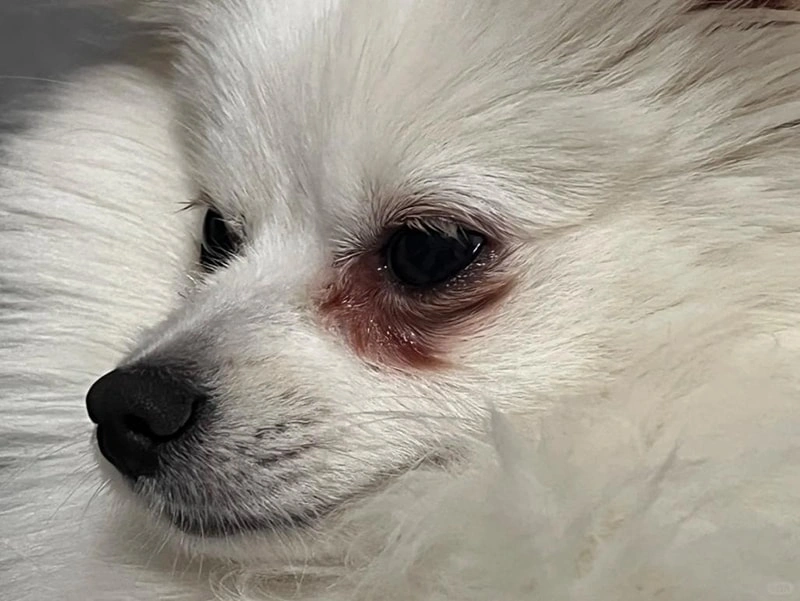
Natural pet-care products are increasingly popular among owners looking for gentler ways to manage tear stains, eye discharge, and daily eye-area hygiene.
But “natural” does not automatically mean safe, effective, or suitable for use near the eyes.
The eye is one of the most delicate parts of a pet’s body. A product may contain beneficial plant-derived ingredients and still cause irritation if the formula is too concentrated, contaminated, poorly balanced, or used incorrectly.
The most effective approach is not simply choosing the most natural ingredient list. It is choosing a product specifically formulated for pets’ eyes or the surrounding eye area.
Natural products can be effective for routine eye-area care when they are used for the right purpose.
A well-formulated natural eye-care product may help:
· Gently remove dried tears and surface debris
· Keep the fur under the eyes clean and dry
· Support moisture around the ocular surface
· Soothe sensitive eye-area skin
· Reduce the buildup that makes tear stains more noticeable
However, natural products cannot correct every cause of tearing.
Persistent eye discharge or tear stains may be associated with facial anatomy, blocked tear ducts, inward-growing eyelashes, allergies, infection, dry eye, or other ocular conditions. Cleaning products may improve daily hygiene, but they cannot replace veterinary diagnosis or treatment.
The ingredient list is only one part of the formula. Several other factors determine whether an eye-care product is both gentle and useful.
1. It Must Be Designed for the Correct Area
There is an important difference between:
· Ophthalmic products, which are formulated for direct use in the eye
· Periocular products, which are designed for the skin and fur surrounding the eye
A wipe that is safe for the fur beneath the eye is not automatically suitable for direct contact with the eyeball.
Always follow the product label and never place a skin-care wipe, cosmetic cleanser, or homemade mixture directly into a pet’s eye.
2. The Complete Formula Matters
An ingredient may sound gentle on its own, but its safety depends on concentration, purity, pH, preservation, and the other ingredients used with it.
For example, plant extracts may provide soothing or antioxidant properties in a professionally developed formula. The same plants prepared as homemade teas or concentrated extracts may be contaminated, irritating, or unsuitable for the ocular surface.
3. Packaging and Hygiene Matter
Eye products can become contaminated when the applicator touches the eye, fur, hands, or another surface.
Single-dose packaging helps reduce repeated exposure to contamination because each vial is opened once and then discarded. For multidose products, the bottle tip should never touch the eye or surrounding fur.
4. Consistency Matters More Than Aggressive Cleaning
Daily gentle care is usually more appropriate than occasional heavy scrubbing.
Regularly removing tear residue before it dries and oxidizes can help keep the eye area cleaner. Harsh rubbing may instead irritate the skin, damage the fur, and trigger more tearing.
Which Ingredients Are Safe for Direct Eye Use?
Only products clearly labeled for ophthalmic use should be applied directly to the eye.
Common ingredients used in properly formulated pet eye products include:
Sterile Water or Sterile Saline
Sterile eye washes can help rinse away loose debris, environmental irritants, and discharge. Sterility is important because ordinary tap water and homemade mixtures are not produced under ophthalmic conditions.
Contact lens solution should not be used as a substitute for pet eye wash.
Sodium Hyaluronate
Sodium hyaluronate is a moisture-binding form of hyaluronic acid commonly used in lubricating eye formulations.
It helps retain moisture and supports a smoother tear film over the ocular surface. Veterinary studies have also evaluated sodium hyaluronate-based products for dogs with dry-eye conditions.
Carefully Formulated Botanical Extracts
Botanical ingredients such as chrysanthemum or honeysuckle may be included in professionally formulated pet eye products to support a gentle, soothing-care profile.
Their presence alone does not prove that a product is safe for direct eye use. Safety depends on the quality and concentration of the extracts, the sterility of the finished formula, and whether the product has been specifically developed for ophthalmic application.
Never place homemade flower water, herbal tea, or raw plant extract into a pet’s eyes.
Products intended for the fur and skin around the eyes may contain different ingredients from eye drops.
Common periocular-care ingredients include:
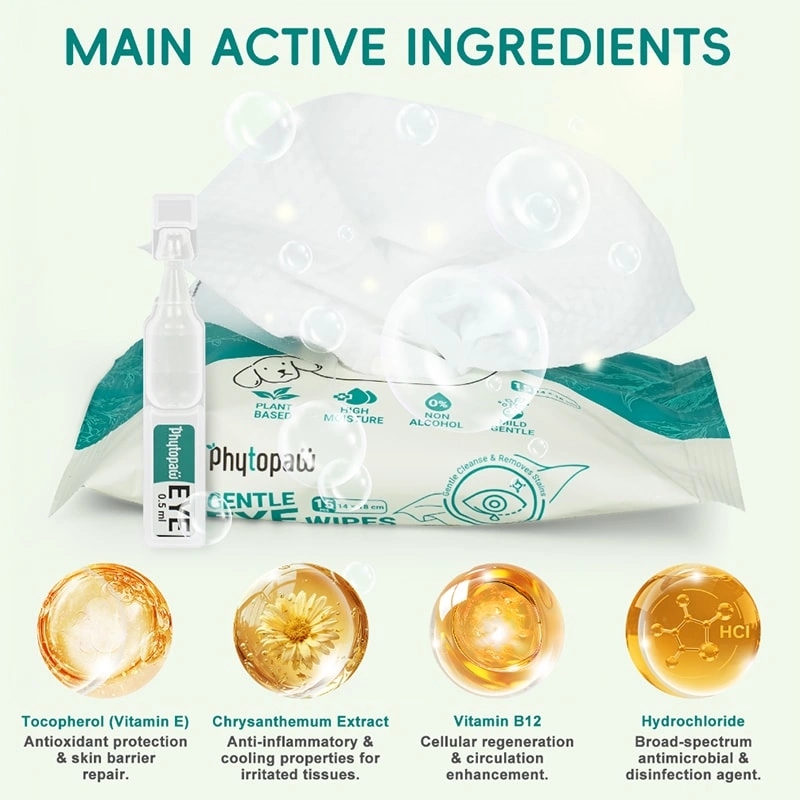
Aloe Vera
Aloe vera is often used to help hydrate and soothe delicate skin. In eye wipes, it can support gentle cleaning of the fur beneath the eyes.
It should only be used in a finished pet-care product and should not be placed directly into the eye unless the formula is specifically labeled for ophthalmic use.
Chamomile
Chamomile is commonly included in sensitive-skin products for its soothing-care properties.
However, homemade chamomile tea should not be used as an eye rinse. Nonsterile preparations may introduce contaminants, and some animals or people can develop sensitivity to chamomile and related plants.
Glycerin
Glycerin is a humectant that helps attract moisture and prevent the eye-area skin from becoming overly dry during cleaning.
In wipes, it can also help soften dried tear residue so that it can be removed with less rubbing.
Vitamin E
Vitamin E is commonly included in skin-care formulas for antioxidant and barrier-supporting benefits. In periocular wipes, it is intended for the surrounding skin and fur rather than direct use on the ocular surface.
Avoid using products containing or involving:
· Alcohol or heavily fragranced cleansers
· Hydrogen peroxide or bleaching agents
· Vinegar or acidic homemade solutions
· Undiluted essential oils
· Harsh soaps and household detergents
· Human redness-relief or medicated eye drops
· Contact lens cleaning or disinfecting solution
· Homemade herbal teas or plant infusions
These products may sting, dry the ocular surface, damage sensitive tissues, or cause additional inflammation.
A Gentle Natural-Care Routine with the Tear-stain Clear Kit
The PhytoPaw Tear-stain Clear Kit is designed as a two-part routine for pets that need regular eye-area maintenance.
Rather than relying on harsh stain removers, the kit combines gentle surface cleaning with moisture-supporting eye care.
Soothing Eye Care Drops
The single-dose eye drops contain:
· Water
· Chrysanthemum extract
· Sodium hyaluronate
· Vitamin B12
· Honeysuckle extract
Sodium hyaluronate helps support moisture retention, while the botanical components are incorporated into a formula designed for gentle eye comfort.
Each 0.5 ml vial is individually packaged, helping reduce the contamination risks associated with repeatedly opening the same bottle.
Gentle Eye Wipes
The wipes are designed to clean the fur and skin around the eyes. Their formula includes soothing and moisture-supporting components such as:
· Aloe vera extract
· Chamomile extract
· Glycerin
· Vitamin E
The soft wipes help remove tear residue, discharge, dirt, and softened buildup without requiring aggressive rubbing.
The wipes are for the surrounding eye area and should not be pressed directly onto the eyeball.
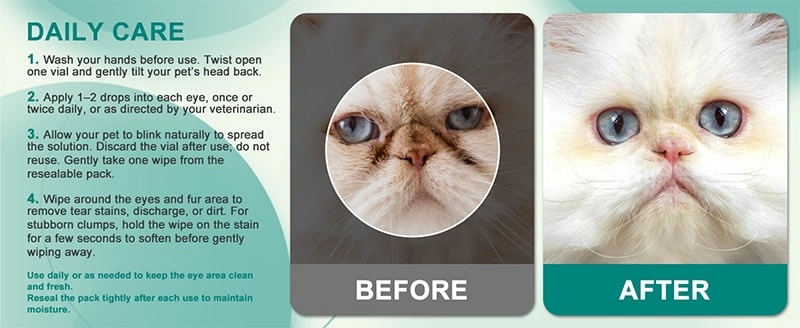
Step 1: Wash Your Hands
Clean hands reduce the risk of transferring dirt or microorganisms to the eye area.
Step 2: Soften Dried Residue
For stubborn or dried discharge, hold the eye wipe gently against the stained fur for a few seconds. Allow the moisture to soften the buildup before wiping.
Do not pull or scrub hardened material.
Step 3: Wipe Away from the Eye
Clean from the inner corner outward, using a fresh section of the wipe with each pass.
Use separate wipes or separate clean areas of the wipe for each eye to reduce cross-contamination.
Step 4: Dry the Fur
Gently pat the fur dry after cleaning. Keeping the area dry helps limit the moisture buildup that makes tear stains and skin irritation more difficult to manage.
Step 5: Apply the Eye Drops
Open one single-dose vial and apply the recommended amount without allowing the tip to touch the eye, eyelid, fur, or hands.
Allow your pet to blink naturally, then discard the opened vial. Do not save it for later use.
A properly formulated pet eye-care product may be suitable for daily use when the label recommends it and the pet shows no signs of irritation.
Stop using the product and contact your veterinarian if you notice:
· Increased redness after application
· Squinting or keeping the eye closed
· Facial rubbing or pawing at the eye
· Swelling around the eyelids
· Increased discharge or tearing
· Signs of discomfort during use
Even gentle ingredients can occasionally cause individual sensitivity.
Daily cleaning is appropriate for mild tear residue and routine maintenance. Veterinary examination is necessary when a pet develops:
· Sudden or one-sided tearing
· Yellow, green, bloody, or thick discharge
· A cloudy or visibly damaged eye
· Persistent redness or swelling
· Frequent squinting
· Sensitivity to light
· Pain when the face is touched
· A sudden change in eye appearance
Eye problems can progress quickly. Cleaning should never delay professional care when pain, injury, or infection may be present.
Natural pet eye-care products can be effective, but their effectiveness comes from more than plant-based ingredients.
A safe product must be properly formulated, hygienically packaged, clearly labeled for either ophthalmic or periocular use, and gentle enough for consistent care.
Ingredients such as sodium hyaluronate can support ocular hydration, while aloe vera, glycerin, chamomile, and vitamin E can support gentle cleaning of the surrounding skin and fur when used in appropriate products.
The safest approach is simple: use purpose-built pet eye products, avoid homemade remedies, clean gently, and seek veterinary advice whenever tearing or discharge is persistent, painful, or unusual.
References
American College of Veterinary Ophthalmologists. How to Clean Your Pet’s Eyes. 2020.
VCA Animal Hospitals. Sterile Eye Wash.
VCA Animal Hospitals. Puppy Tear Stains: Causes, Treatment & Prevention.
Williams D, Middleton S, Fattahian H, Moridpour R. Comparison of hyaluronic acid-containing topical eye drops with carbomer-based topical ocular gel as a tear replacement in canine keratoconjunctivitis sicca. Veterinary Research Forum. 2012;3(4):229–232.
Gard C, Cassagnes C, Muller S, Navarro C, Jahier B. Evaluation of a preservative-free, cross-linked sodium hyaluronate-based solution in dogs with dry eye: a pilot trial. Irish Veterinary Journal. 2023.
Subiza J, Subiza JL, Alonso M, et al. Allergic conjunctivitis to chamomile tea. Annals of Allergy. 1990;65:127–132.

Learn which natural methods can reduce your pet’s exposure to fleas, ticks, and mosquitoes—and why heartworm prevention still requires veterinarian-recommended medication.
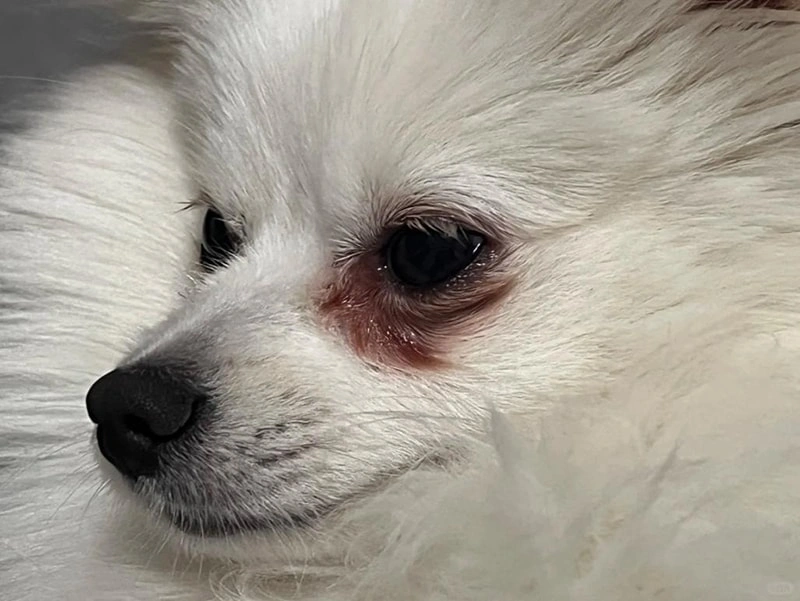
Are natural eye-care products effective for pets? Learn which ingredients are safe around dogs’ and cats’ eyes, what to avoid, and how to build a gentle daily routine.
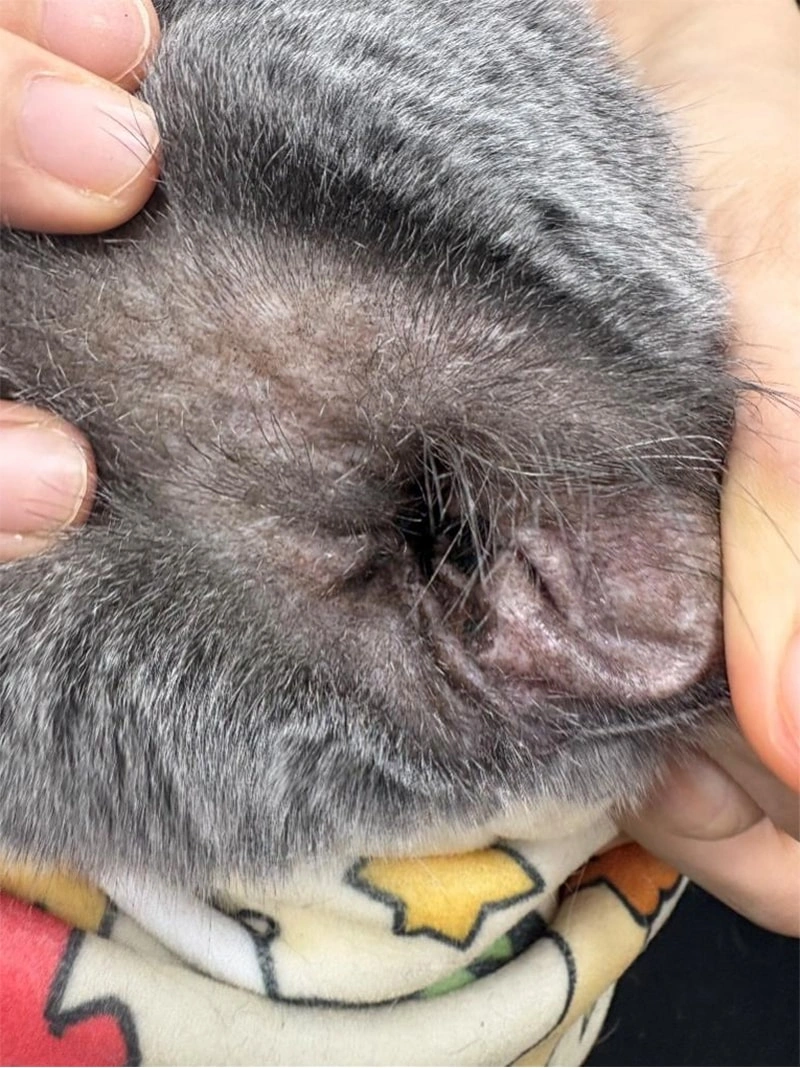
Ear problems are easy to overlook until your pet starts shaking their head, scratching constantly, or developing dark debris inside the ear. Many pet parents ask the same questions: Is it just wax? Could it be ear mites? Can ear mites come back after treatment? And how often should ears be cleaned?

Many pet parents want an easier way to support their cat’s oral health at home. Dental powders are popular because they can be added directly to food, but some formulas use seaweed or kelp-based ingredients. For cats with sensitive digestion, special diets, or thyroid concerns, some families may prefer a seaweed-free cat dental care routine.

A shiny, smooth coat is more than a beauty goal. For dogs and cats, coat condition often reflects overall skin health, nutrition, grooming habits, and daily comfort. A healthy coat should look glossy and feel soft, while dull, brittle, greasy, or flaky fur may suggest dryness, poor grooming, nutritional imbalance, allergies, parasites, or an underlying health issue. VCA notes that skin and coat appearance are useful indicators of general health in both dogs and cats.

Learn how to clean dogs teeth at home, what to use, how often to do it, and simple ways to support better pet dental cleaning as part of a gentle daily routine.
Vaccines and preventive care depend on species (dog/cat), age, lifestyle, and local laws—but there are reliable “core” basics almost every pet needs. Below is a practical schedule you can use to plan vet visits and ask the right questions.
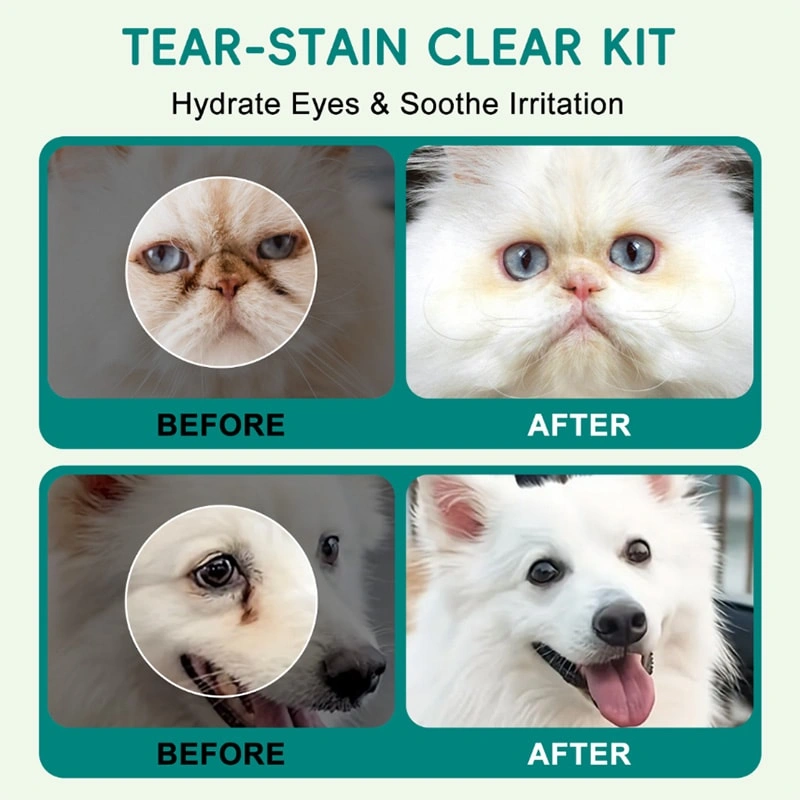
Tear stains are not a diagnosis—they’re a sign that tears (and the pigments inside them) are spending too much time on your dog’s face. Allergies can be one reason tear stains show up or get worse, but they’re only one piece of the puzzle. Many dogs have tear stains primarily because of anatomy, drainage, or mild eye irritation, even with “normal” tear production.
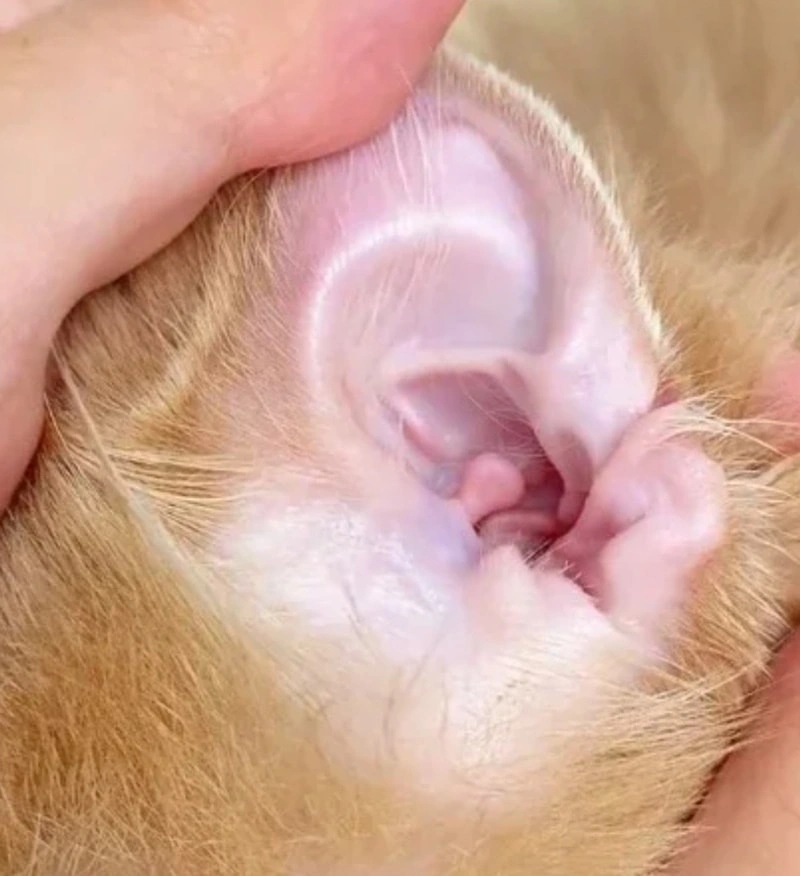
If you notice dark debris in your pet’s ears, it can be wax, ear mites, or an infection—and they can look similar at home. The safest approach is to compare symptoms + debris texture + recurrence, and seek veterinary confirmation when signs are strong.

Daily cleaning can be safe for sensitive dogs—but only when it’s gentle, minimal, and consistent. For many “sensitive skin dogs and cats,” the goal isn’t to scrub the skin spotless; it’s to remove irritants and moisture without stripping the barrier.
Copyright © 2026 by Phytopaw Pet Health Limited All Rights Reserved