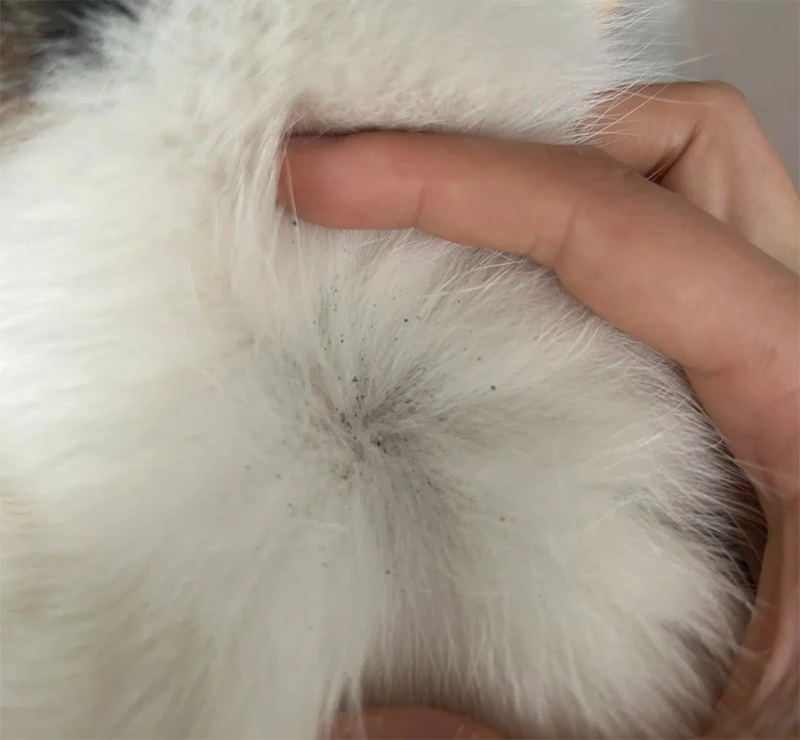
Many pet owners want to reduce their reliance on harsh chemicals and are interested in natural ways to protect their dogs and cats from fleas, ticks, and mosquitoes.
Natural methods can play a useful role—but they have limits.
Environmental cleaning, coat checks, grooming, and reducing exposure to parasite habitats can lower the chance of an infestation. However, natural routines alone cannot reliably prevent every flea or tick bite, and there is no proven natural substitute for veterinarian-recommended heartworm prevention.
The safest approach is an integrated prevention routine: reduce environmental exposure naturally while using appropriate veterinary parasite protection based on your pet’s species, age, lifestyle, and local risks.
Not completely.
Natural prevention methods are most useful for:
· Reducing fleas in the home and yard
· Finding and removing ticks quickly
· Limiting time in high-risk outdoor environments
· Reducing exposure to mosquitoes
· Supporting coat cleanliness after outdoor activity
They are less reliable for killing parasites or preventing disease transmission after a pet has been bitten.
This distinction is especially important for heartworm disease. Heartworms are transmitted through mosquito bites, and avoiding mosquitoes cannot provide complete protection. Indoor pets can also be bitten when mosquitoes enter the home.
Dogs should receive year-round heartworm prevention as recommended by a veterinarian. Cats may also need appropriate prevention because there is no approved treatment that reliably eliminates adult heartworms in cats.
Fleas spend much of their life cycle away from the pet. Eggs and immature stages may be present in carpets, bedding, furniture, floor cracks, and shaded outdoor areas.
This means flea prevention should include the environment—not only the pet’s coat.
Vacuum Frequently
Vacuum carpets, rugs, sofas, floor edges, and areas where pets sleep.
Pay particular attention to:
· Under furniture
· Along walls and baseboards
· Between sofa cushions
· Around pet beds
· Inside vehicles used to transport pets
Empty the vacuum container or bag outside after cleaning.
Vacuuming can remove flea eggs, larvae, and environmental debris, but it may not eliminate an established infestation by itself.

Wash Pet Bedding Regularly
Wash blankets, removable bed covers, and washable soft toys regularly with soap and water.
Dry them thoroughly before returning them to your pet. Moist, warm environments can support the development of immature fleas.
Use a Flea Comb
A fine-toothed flea comb can help identify adult fleas and flea dirt.
Focus on:
· The neck
· Behind the ears
· The lower back
· The base of the tail
· The abdomen and inner thighs
Finding fleas during combing usually means the environment also needs attention. Every dog and cat in the household should be checked because untreated pets may allow the infestation to continue.
Maintain the Yard
Fleas prefer shaded, humid locations.
You can make outdoor areas less favorable by:
· Mowing grass regularly
· Removing leaf litter and organic debris
· Avoiding excessive watering
· Keeping pet resting areas dry
· Discouraging rodents and wildlife from entering the yard
· Limiting access beneath decks and other shaded hiding places
These steps may reduce flea habitat, but they do not guarantee that a pet will remain flea-free.
Ticks are commonly found in tall grass, brush, leaf litter, wooded edges, and areas frequently visited by wildlife.
Avoid High-Risk Areas
Keep dogs on maintained paths and away from:
· Tall grass
· Dense brush
· Piles of fallen leaves
· Heavily wooded edges
· Areas with frequent deer or wildlife activity
Keeping pets from roaming also reduces contact with tick habitats.
Perform a full tick check after walks, hikes, camping trips, or time in grassy and wooded areas.
Run your fingers slowly through the coat and check:
· In and around the ears
· Around the eyelids
· Under the collar or harness
· Under the front legs
· Between the toes
· Between the back legs
· Around the tail
· Under thick areas of fur
Ticks can be extremely small, so look and feel for unusual bumps.
Remove Attached Ticks Promptly
Use fine-tipped tweezers or a purpose-designed tick-removal tool.
Grasp the tick close to the skin and pull upward with steady pressure. Avoid twisting, crushing, burning, or coating the tick with oil.
Clean the area afterward and monitor your pet for redness, swelling, lethargy, appetite changes, or other unusual symptoms.
Prompt removal can reduce the opportunity for some tick-borne infections to be transmitted, but it does not eliminate all risk.
Because mosquitoes transmit heartworms, reducing mosquito contact is a useful additional layer of protection.
You can lower exposure by:
· Bringing pets indoors during periods of heavy mosquito activity
· Repairing damaged window and door screens
· Using fans in sheltered outdoor resting areas
· Emptying standing water from bowls, planters, buckets, and trays
· Refreshing outdoor water bowls daily
· Keeping gutters and drains clear
· Avoiding walks near stagnant water when mosquitoes are active
These steps can reduce mosquito numbers around the home, but no environment can be made completely mosquito-free.
Heartworm disease is caused by parasitic worms transmitted through infected mosquitoes.
Once mature, heartworms may damage the lungs, pulmonary blood vessels, heart, and other organs. Dogs may develop coughing, exercise intolerance, fatigue, breathing difficulty, or heart failure. Some infected pets show few signs until the disease has progressed.
There is no herb, essential oil, diet, supplement, coat spray, or household remedy proven to reliably prevent heartworm infection.
Veterinarian-recommended heartworm preventives work against immature stages of the parasite after transmission. Because timing matters, doses must be given according to the prescribed schedule.
Dogs should also receive regular heartworm testing, even when prevention is used consistently.
Natural mosquito-control steps should therefore be viewed as additional exposure reduction, not as an alternative to heartworm medication.
Are Essential Oils a Natural Alternative?
Essential oils are often marketed as natural parasite repellents, but “natural” does not automatically mean safe.
Concentrated oils may irritate the skin, eyes, nose, or respiratory tract. Pets may also ingest them while grooming.
Cats are particularly sensitive to several essential-oil compounds because they process certain substances differently from dogs. Never apply a dog product to a cat unless the label specifically states that it is safe for cats.
Do not apply undiluted essential oils directly to a pet’s skin or coat. Avoid homemade oil mixtures because their concentration, stability, and safety may be difficult to control.
Any outdoor coat product should be:
· Specifically formulated for the intended animal
· Used exactly according to its label
· Appropriate for the pet’s age and species
· Kept away from the eyes, nose, mouth, and genital area
· Avoided on irritated skin or open wounds
· Discontinued if redness, drooling, coughing, vomiting, weakness, or unusual behavior occurs
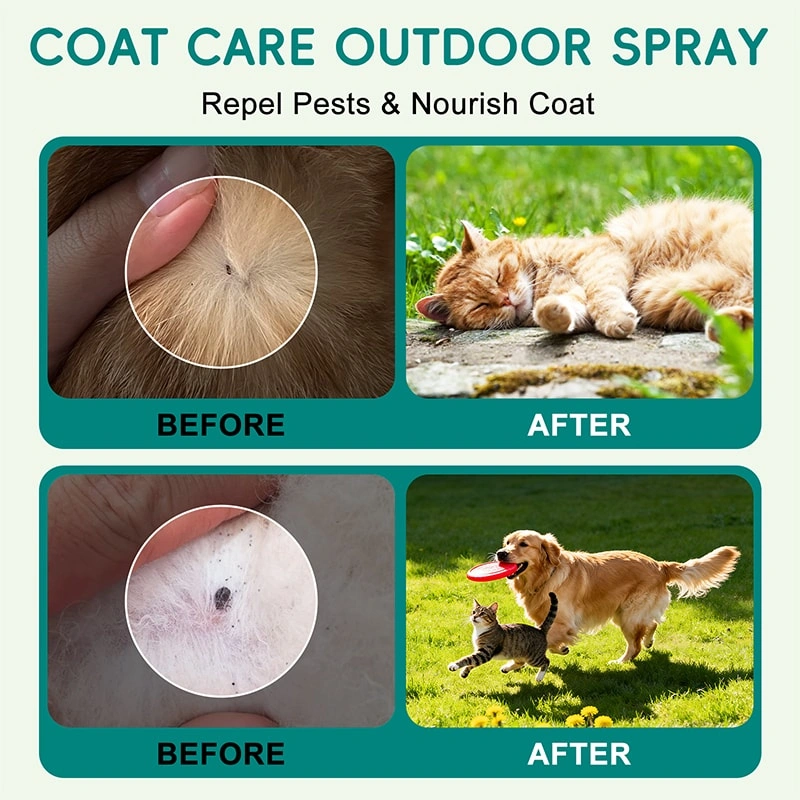
The PhytoPaw Insect Away & Coat Care Spray is designed as an outdoor coat-care step for dogs exposed to grass, dust, and environmental irritants.
Its formula includes botanical and coat-supporting ingredients such as:
· Tea tree leaf oil
· Peppermint oil
· Litsea cubeba fruit oil
· Lemon eucalyptus leaf extract
· Clove bud extract
· Wild thyme extract
· Sophora root extract
· Panthenol
· Hydrolyzed collagen
The botanical aroma creates a scent-based outdoor coat shield, while panthenol and hydrolyzed collagen help support coat moisture, smoothness, and comfort.
Before outdoor activity:
1. Shake the bottle according to the label directions.
2. Spray lightly over the outer coat from the recommended distance.
3. Avoid the face, eyes, mouth, nose, genital area, and open wounds.
4. Use your hands to distribute the product only if directed on the label.
5. Allow the coat to dry before your pet begins licking or grooming.
After returning indoors:
1. Check the entire coat for ticks.
2. Wipe the paws, legs, belly, and other exposed areas.
3. Brush the coat to remove loose debris.
4. Inspect the skin for bites, redness, or irritation.
The spray should be positioned as a supplementary botanical outdoor-care product. It does not replace a registered flea or tick preventive and does not prevent heartworm infection.
Confirm species suitability before use. A product containing essential oils should not be used on cats unless the final product label specifically authorizes feline use.
The most dependable routine combines several layers of protection.
Every Day
· Check outdoor pets for ticks
· Remove visible debris from the coat
· Keep water containers clean and free of mosquito larvae
· Observe for scratching, skin redness, or unusual fatigue
Every Week
· Wash pet bedding
· Vacuum carpets and resting areas
· Groom the coat with a flea comb
· Inspect the yard for standing water, leaf litter, and overgrown vegetation
According to the Veterinary Schedule
· Give prescribed heartworm prevention on time
· Use an appropriate flea and tick preventive
· Complete recommended parasite testing
· Adjust protection according to travel, local climate, and lifestyle risks
Natural care and veterinary prevention are not competing approaches. They work best together.
Contact your veterinarian if you notice:
· Persistent scratching or biting at the skin
· Fleas or flea dirt in the coat
· Attached ticks
· Red bumps, hair loss, or irritated skin
· Pale gums or unusual weakness
· Coughing or reduced exercise tolerance
· Rapid or difficult breathing
· Unexplained weight loss
· A swollen abdomen
· Sudden collapse
Heartworm symptoms usually do not appear immediately after a mosquito bite. A lack of visible symptoms does not mean a pet is protected.
Can garlic prevent fleas or ticks?
Garlic is not a reliable flea, tick, or heartworm preventive. In sufficient amounts, garlic and related plants can damage pets’ red blood cells. It should not be given as a homemade parasite remedy.
Does apple cider vinegar repel fleas?
There is not enough evidence to rely on apple cider vinegar as effective flea prevention. It may also irritate sensitive skin, broken skin, eyes, and mucous membranes.
Can bathing remove fleas?
Bathing and flea combing may remove some adult fleas, but they do not address eggs, larvae, and pupae throughout the home. A complete flea-control plan must include every pet and the environment.
Do indoor pets need parasite prevention?
Indoor pets can still encounter fleas, ticks, and mosquitoes. Fleas may enter on people or other animals, ticks may be carried indoors, and mosquitoes can enter through doors and windows.
Protection should be based on individual risk and veterinary guidance rather than indoor status alone.
Can a natural spray prevent heartworm?
No. A coat spray cannot reliably prevent every mosquito bite and cannot kill heartworm larvae after transmission. Heartworm prevention requires an appropriate veterinary preventive.
Final Thoughts
Natural methods can make parasite prevention more complete, but they should not be used as the only line of defense.
Regular grooming, vacuuming, washing bedding, maintaining the yard, avoiding high-risk habitats, checking for ticks, and reducing standing water all help lower exposure.
Botanical coat-care products such as PhytoPaw Insect Away & Coat Care Spray can be included as a supplementary outdoor-care step when used according to the label.
However, reliable protection against fleas, ticks, and especially heartworm requires veterinarian-guided prevention. The safest plan combines gentle environmental management with proven parasite control rather than relying on natural remedies alone.
References
American Heartworm Society. Heartworm Basics and Heartworm Prevention for Dogs.
Companion Animal Parasite Council. Heartworm, Flea, Tick, and General Parasite-Control Guidelines.
Centers for Disease Control and Prevention. Preventing Fleas and Preventing Ticks on Pets.
U.S. Food and Drug Administration. Safe Use of Flea and Tick Products in Pets.
U.S. Environmental Protection Agency. Using Insect Repellents Safely and Effectively.

Learn which natural methods can reduce your pet’s exposure to fleas, ticks, and mosquitoes—and why heartworm prevention still requires veterinarian-recommended medication.

Are natural eye-care products effective for pets? Learn which ingredients are safe around dogs’ and cats’ eyes, what to avoid, and how to build a gentle daily routine.
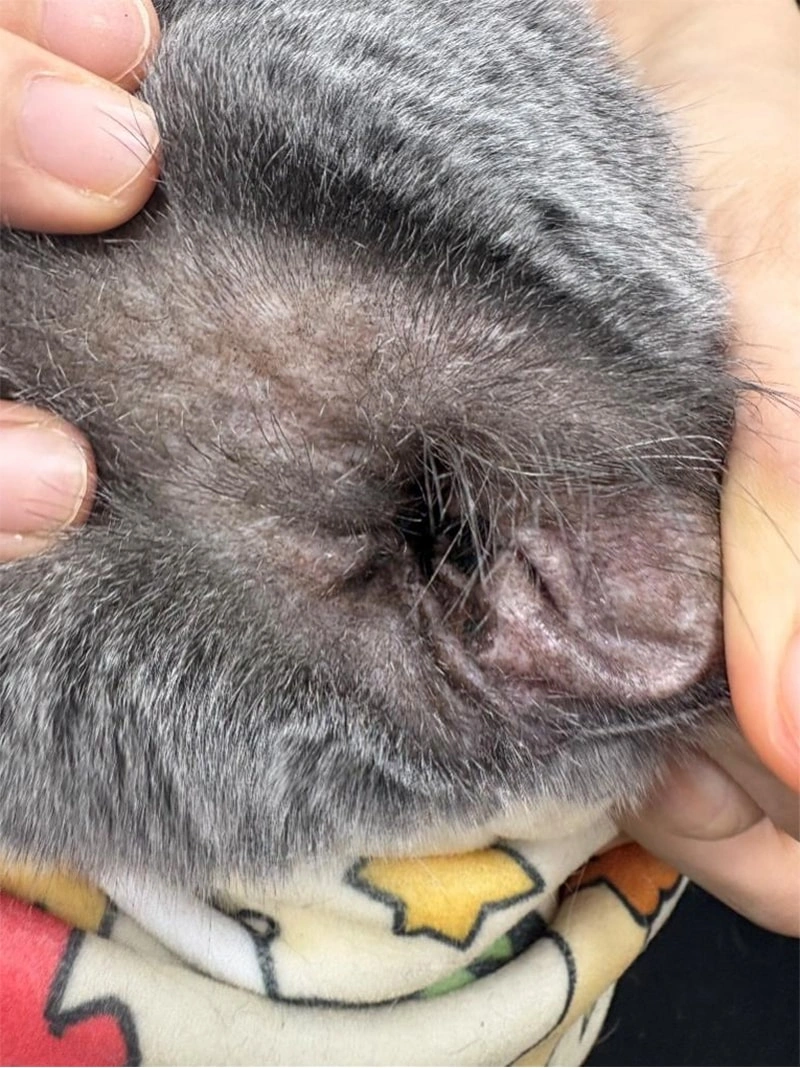
Ear problems are easy to overlook until your pet starts shaking their head, scratching constantly, or developing dark debris inside the ear. Many pet parents ask the same questions: Is it just wax? Could it be ear mites? Can ear mites come back after treatment? And how often should ears be cleaned?

Many pet parents want an easier way to support their cat’s oral health at home. Dental powders are popular because they can be added directly to food, but some formulas use seaweed or kelp-based ingredients. For cats with sensitive digestion, special diets, or thyroid concerns, some families may prefer a seaweed-free cat dental care routine.

A shiny, smooth coat is more than a beauty goal. For dogs and cats, coat condition often reflects overall skin health, nutrition, grooming habits, and daily comfort. A healthy coat should look glossy and feel soft, while dull, brittle, greasy, or flaky fur may suggest dryness, poor grooming, nutritional imbalance, allergies, parasites, or an underlying health issue. VCA notes that skin and coat appearance are useful indicators of general health in both dogs and cats.

Learn how to clean dogs teeth at home, what to use, how often to do it, and simple ways to support better pet dental cleaning as part of a gentle daily routine.

Vaccines and preventive care depend on species (dog/cat), age, lifestyle, and local laws—but there are reliable “core” basics almost every pet needs. Below is a practical schedule you can use to plan vet visits and ask the right questions.
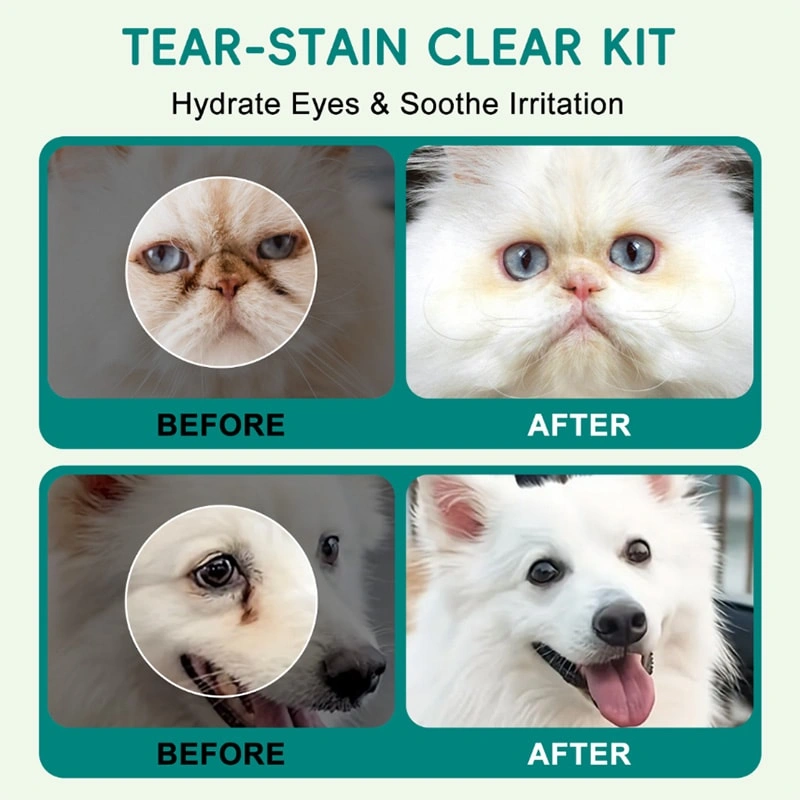
Tear stains are not a diagnosis—they’re a sign that tears (and the pigments inside them) are spending too much time on your dog’s face. Allergies can be one reason tear stains show up or get worse, but they’re only one piece of the puzzle. Many dogs have tear stains primarily because of anatomy, drainage, or mild eye irritation, even with “normal” tear production.
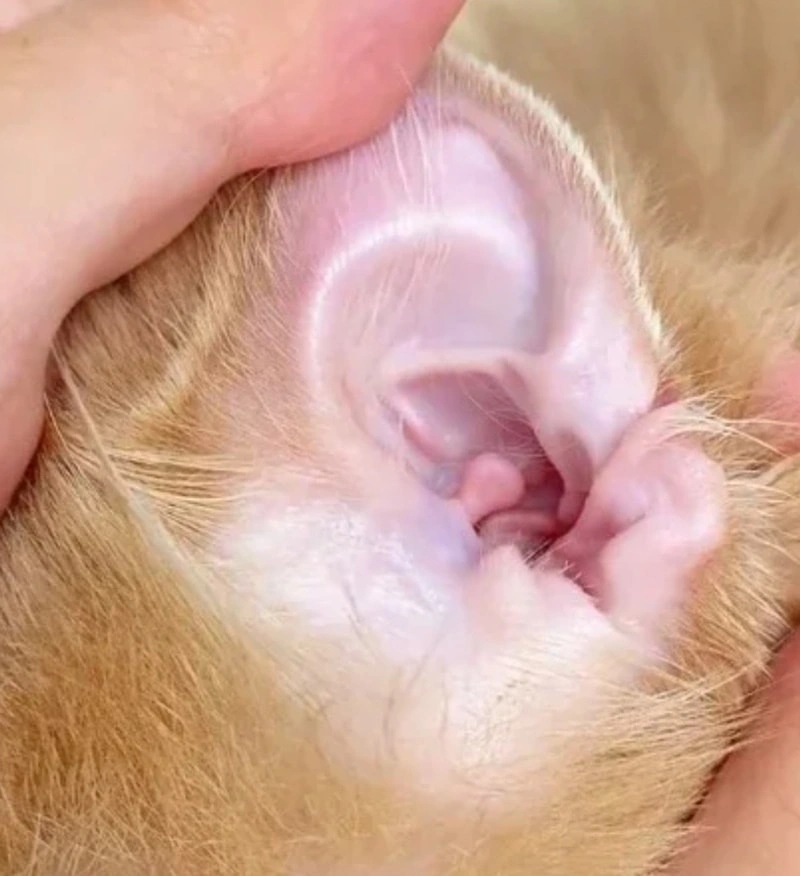
If you notice dark debris in your pet’s ears, it can be wax, ear mites, or an infection—and they can look similar at home. The safest approach is to compare symptoms + debris texture + recurrence, and seek veterinary confirmation when signs are strong.

Daily cleaning can be safe for sensitive dogs—but only when it’s gentle, minimal, and consistent. For many “sensitive skin dogs and cats,” the goal isn’t to scrub the skin spotless; it’s to remove irritants and moisture without stripping the barrier.
Copyright © 2026 by Phytopaw Pet Health Limited All Rights Reserved