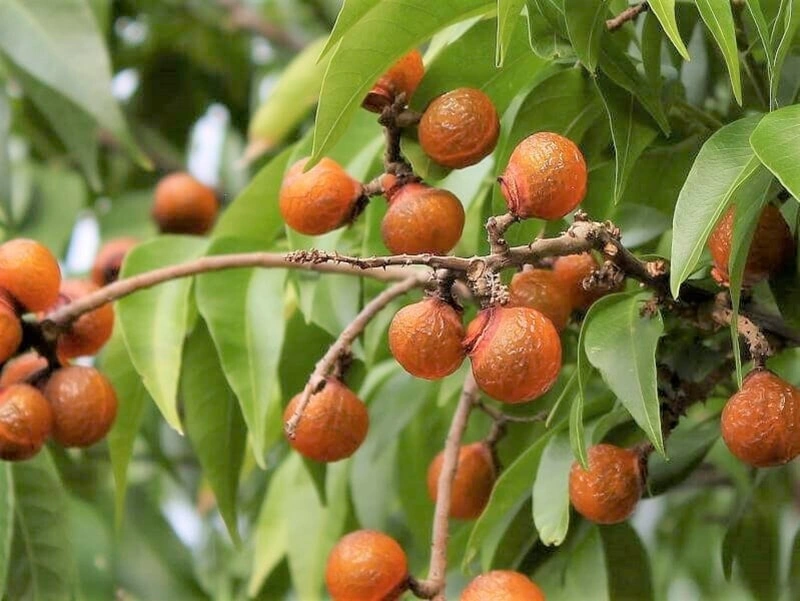
Soapnut (Sapindus mukorossi) is a traditional plant-derived cleanser valued for its naturally occurring saponins—surface-active compounds that create mild foam and help remove oil, debris, and environmental residue. Unlike many harsh synthetic cleansing agents, Soapnut offers a plant-based approach to hygiene that is gentle, biodegradable, and suitable for daily care concepts.
In pet wellness, Soapnut is especially relevant for areas where cleanliness must be balanced with sensitivity, such as the ears, skin folds, paws, and coat surface. Pets often need repeated cleaning, but over-cleansing can disturb the skin barrier, increase dryness, and make sensitive areas more reactive. Soapnut helps solve this challenge by supporting effective cleansing while maintaining a softer, more balanced care experience.
This makes Soapnut a valuable botanical in modern botanical pet skin care, especially for routines designed around comfort, tolerance, and long-term maintenance.
Soapnut is the dried fruit shell of the Sapindus mukorossi tree, traditionally used as a natural washing agent in Asia. Its cleansing ability comes mainly from saponins, a group of amphiphilic compounds that can interact with both water and oil.
Key active components include:
Saponins
Natural surfactants that help loosen oils, waxy buildup, and surface impurities.
Triterpenoid Glycosides
Contribute to Soapnut’s cleansing and biological activity.
Flavonoids and Phenolic Compounds
Provide antioxidant support and help protect tissues from environmental stress.
Organic Acids and Plant Polysaccharides
Support a mild botanical profile suitable for gentle cleansing formulations.
Studies and reviews describe Sapindus mukorossi as a commercially important source of plant-derived saponins for cosmetic and cleansing applications, with interest in its surfactant, antimicrobial, and anti-inflammatory properties.
1. Gentle Cleansing Without Harsh Stripping
Many cleansing products remove dirt effectively but may also strip natural lipids from the skin surface. For pets with sensitive skin, this can lead to dryness, tightness, redness, or increased discomfort.
Soapnut supports cleansing by:
· Helping lift wax, oil, and surface debris
· Producing mild natural foam
· Reducing the need for aggressive synthetic surfactants
· Supporting a cleaner feel without excessive dryness
This makes it suitable for gentle daily skin care for pets, especially when used in carefully formulated pet hygiene products.
2. Supporting Ear Hygiene and Wax Removal
The ear canal is one of the most sensitive cleaning areas in pet care. Excess wax, moisture, and debris can create discomfort, odor, or a feeling of heaviness, but strong cleansers may irritate the delicate ear environment.
Soapnut is useful in ear care because it helps:
· Loosen waxy buildup
· Support gentle removal of debris
· Improve the cleanliness of the ear surface
· Reduce reliance on harsh solvent-like cleaning agents
For pets that need routine ear maintenance, this mild surfactant action can help create a more comfortable cleaning experience.
3. Helping Maintain Microbial Balance
Cleanliness and microbial balance are closely connected. When wax, oil, and moisture accumulate, the local environment may become less stable.
Soapnut’s saponin-rich profile supports hygiene by:
· Helping remove residue where microbes may accumulate
· Supporting a cleaner surface environment
· Contributing to freshness and odor control
· Working alongside other botanicals in balanced formulas
Research on Sapindus mukorossi extracts has reported antimicrobial and anti-inflammatory potential, which supports its role as a functional botanical in topical and cleansing formulations.
4. Supporting Sensitive Skin and Coat Comfort
For sensitive skin dogs and cats, the goal of cleansing is not only to remove dirt. It is also to avoid disrupting the skin’s natural defense system.
Soapnut supports comfort by:
· Providing plant-based cleansing
· Helping minimize harsh friction during cleaning
· Supporting a cleaner coat and skin surface
· Reducing the likelihood of dryness caused by over-cleansing
This aligns with immune balanced pet care, where the skin is supported through balance rather than aggressive correction.
Pet hygiene products often face a difficult formulation challenge: they must clean effectively while remaining gentle enough for repeated use.
Soapnut is valuable because it offers a bridge between these two needs.
It supports:
· Mild foaming
· Surface cleansing
· Wax and oil removal
· Skin comfort
· A more natural cleansing profile
This is especially important in categories such as ear care, paw care, coat refreshment, and sensitive-area hygiene, where repeated cleaning is common.
Rather than treating cleansing as a harsh reset, Soapnut allows cleansing to become part of a sustainable daily or weekly routine. This makes it a meaningful ingredient in science backed herbal pet care, where plant-based ingredients are selected not only for tradition, but also for functional relevance.
Soapnut works best when combined with soothing, hydrating, and protective ingredients that help maintain comfort after cleansing. In PhytoPaw care routines, Soapnut can be naturally introduced through ear hygiene products designed for gentle wax and debris management.
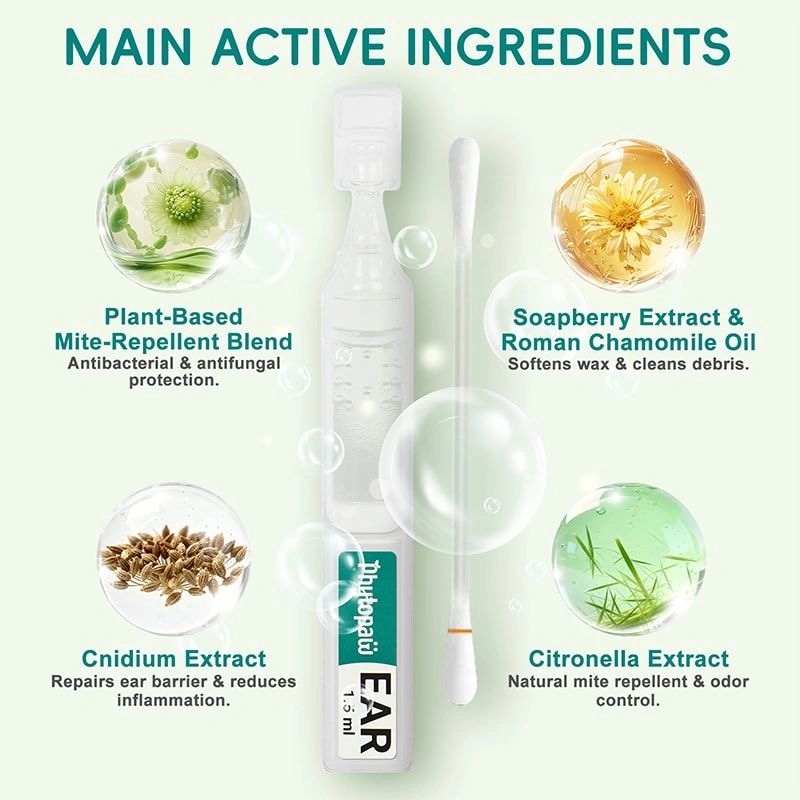
For pets that need targeted ear cleaning, QuickClear EAR Drops
can fit into a routine focused on loosening buildup and supporting a cleaner ear environment.
For a more complete ear care routine, Ear Fresh Kit
can be used as a structured daily or weekly care system, combining ear cleansing support with precision follow-up care.
In this type of formulation, Soapnut contributes the cleansing foundation, while complementary ingredients help support:
· Ear comfort
· Odor control
· Wax management
· Sensitive-area tolerance
· Cleaner daily hygiene
This allows pet parents to maintain ear cleanliness without relying on overly aggressive cleansing methods.
How to Use Soapnut-Based Pet Care
· Use only products formulated specifically for pets
· Apply according to product directions
· Avoid direct contact with eyes
· Do not use on broken, bleeding, or severely inflamed skin
· For ear products, do not insert applicators deeply into the ear canal
· If odor, discharge, pain, head shaking, or persistent redness occurs, consult a veterinarian
⚠️ Soapnut is a cleansing botanical, not a substitute for veterinary treatment when infection, mites, injury, or chronic inflammation is suspected.
Soapnut is nature’s gentle cleanser for pets. Through its natural saponins, it helps loosen oils, wax, and debris while supporting a milder cleansing experience than many harsh synthetic approaches.
Its value lies not only in cleaning power, but in balance. For pets that need regular hygiene support—especially around sensitive areas such as the ears—Soapnut offers a plant-based way to maintain freshness, comfort, and cleanliness.
When used in thoughtfully formulated pet products, Soapnut becomes more than a traditional cleanser. It becomes part of a modern botanical hygiene system built around gentleness, function, and long-term skin comfort.
References
Kanlayavattanakul, M., Lourith, N., & Chaikul, P. (2024). Plant-derived saponins and their prospective for cosmetic and personal care applications. Molecules, 29(22), 5330.
Panda, A., Nanda, S., & Rout, A. (2020). Soapnut: A replacement of synthetic surfactant for cosmetic and biomedical applications. Sustainable Chemistry and Pharmacy, 17, 100297.
Lai, H. Y., Lin, Y. H., Chen, C. C., Hsu, C. H., & Wang, H. M. D. (2025). Investigating the biological activities of Sapindus mukorossi hydrosol: Antimicrobial, anti-inflammatory, and tissue repair potential. Scientific Reports, 15, 37768.
Wei, M., Zhang, Y., Li, J., & Wang, X. (2021). Saponin fraction from Sapindus mukorossi Gaertn. as a natural cosmetic active: Phytochemistry and biological activity. Journal of Ethnopharmacology, 267, 113545.
Sonawane, S. M., & Sonawane, H. (2015). A review of recent and current research studies on the biological and pharmacological activities of Sapindus mukorossi. International Journal of Interdisciplinary Research and Innovations, 3(4), 85–95.

Juniper Berry (Juniperus communis) has long been recognized for its crisp, resinous aroma and its traditional role as a purifying botanical. Although commonly called a “berry,” the usable part of juniper is actually a berry-like cone from an evergreen conifer. In botanical pet care, this ingredient is valued for its fresh scent, antioxidant profile, and ability to support a cleaner, more balanced skin environment.
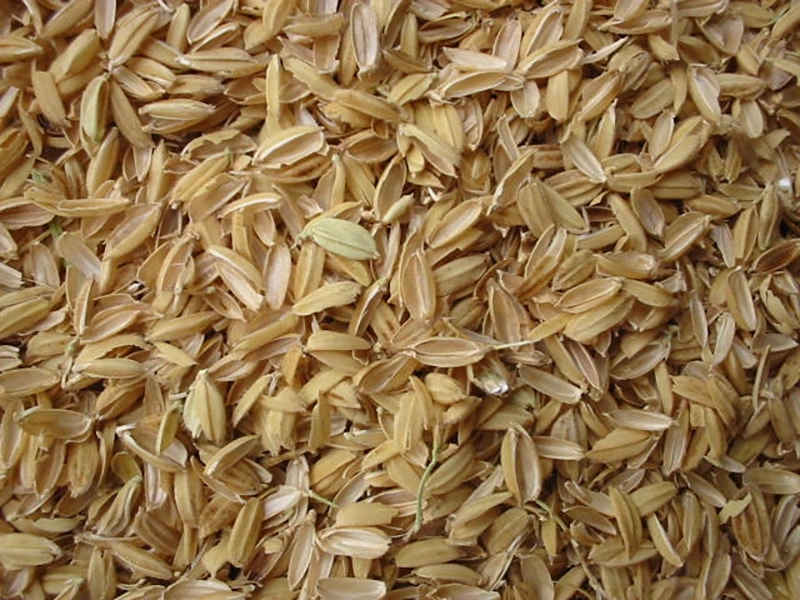
Rice Husk (Oryza sativa) is the protective outer layer surrounding each grain of rice. Although traditionally treated as an agricultural by-product, modern research has revealed that rice husk contains valuable phenolic compounds, antioxidants, and other plant-derived components that may support healthier skin.
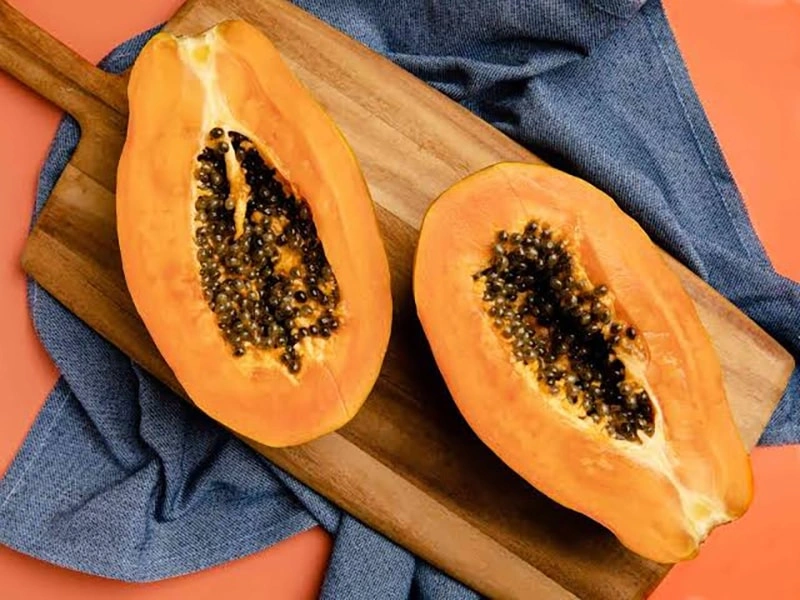
Papaya (Carica papaya) is widely recognized for its tropical sweetness, but its most valuable contribution to pet care comes from a natural proteolytic enzyme called papain. This enzyme breaks larger proteins into smaller fragments, giving papaya-derived ingredients a unique role in gentle, enzyme-based cleansing.

Grapefruit (Citrus paradisi) is a bright citrus botanical known for its fresh aroma, antioxidant activity, and natural purifying properties. In pet care, it is especially relevant for formulas designed to support coat freshness, skin surface hygiene, and gentle daily cleansing.
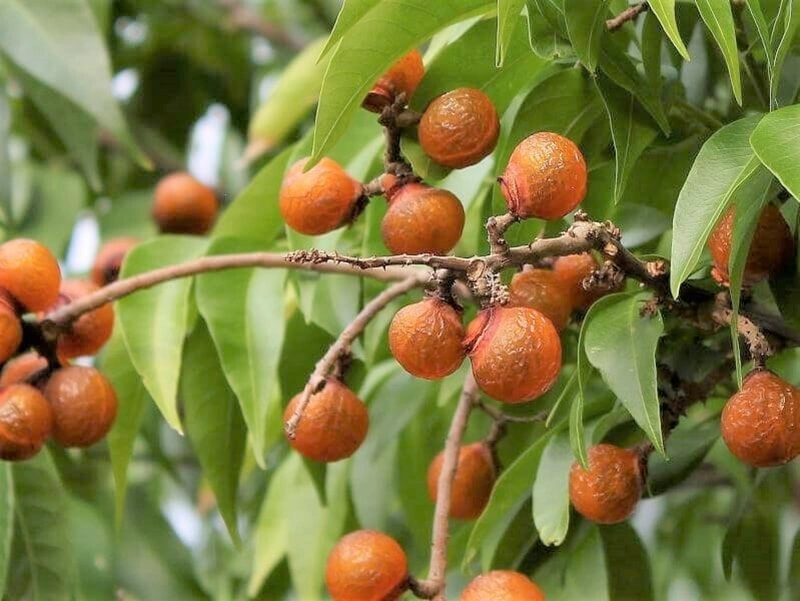
Soapnut (Sapindus mukorossi) is a traditional plant-derived cleanser valued for its naturally occurring saponins—surface-active compounds that create mild foam and help remove oil, debris, and environmental residue. Unlike many harsh synthetic cleansing agents, Soapnut offers a plant-based approach to hygiene that is gentle, biodegradable, and suitable for daily care concepts.
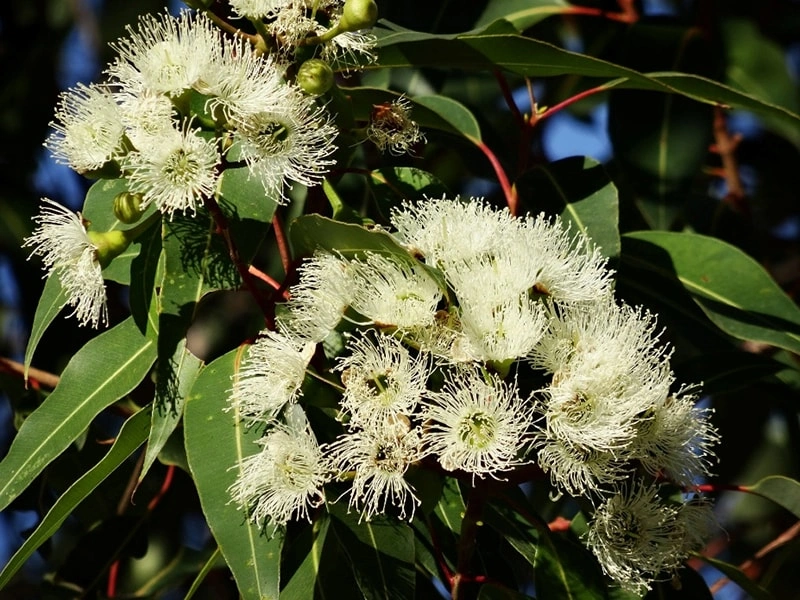
Lemon Eucalyptus (Corymbia citriodora, formerly Eucalyptus citriodora) is an aromatic botanical known for its bright lemon-like scent, refreshing profile, and protective properties. In modern pet care, it is especially valued for outdoor routines, where pets are exposed to grass, dust, humidity, environmental debris, and unwanted insects.
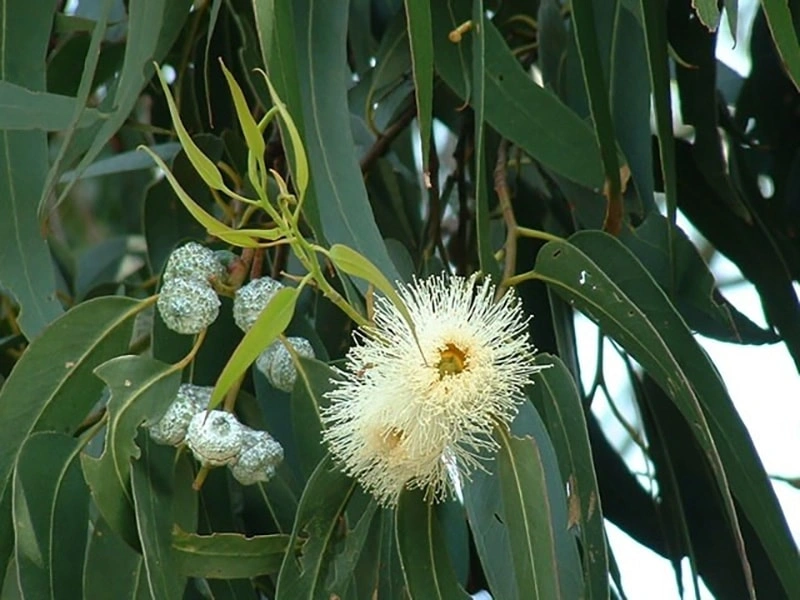
Blue Gum Eucalyptus (Eucalyptus globulus) is one of the most recognizable botanicals in natural wellness, known for its crisp, clean aroma and protective character. In pet care, it is valued not simply as a refreshing scent, but as a botanical ingredient that helps support skin cleanliness, coat freshness, and environmental comfort.
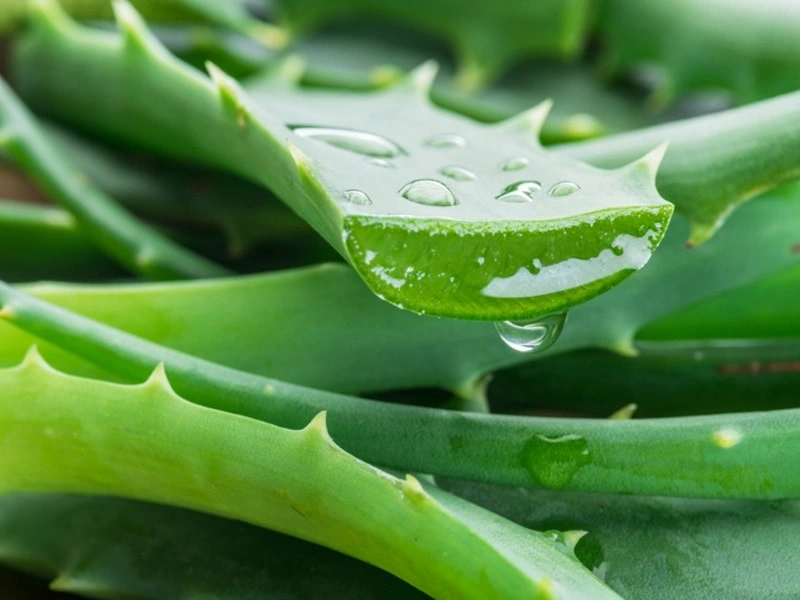
Aloe Vera (Aloe barbadensis miller) is one of the most widely recognized botanicals in both human and animal care—and for good reason. Known for its exceptional soothing, hydrating, and barrier-supporting properties, Aloe Vera plays a versatile role across multiple pet care categories, from skin and eye care to oral hygiene and daily cleansing.
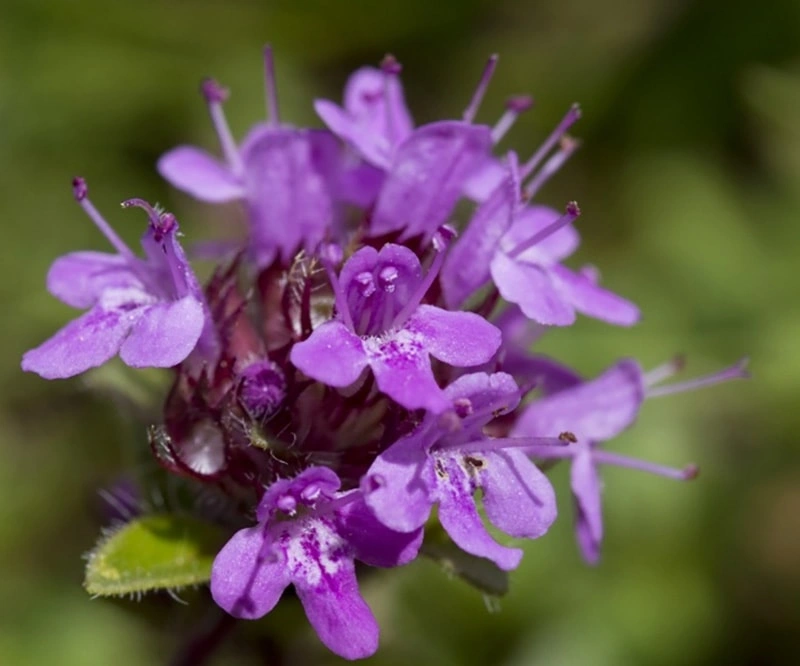
Discover how Wild Thyme supports pet skin freshness, surface balance, and everyday outdoor comfort. Learn why this cleansing botanical fits naturally into gentle daily pet care routines.

Discover how Litsea Cubeba supports coat freshness, surface cleanliness, and outdoor comfort for pets. Learn why this uplifting botanical fits naturally into gentle daily pet care routines.
Copyright © 2026 by Phytopaw Pet Health Limited All Rights Reserved