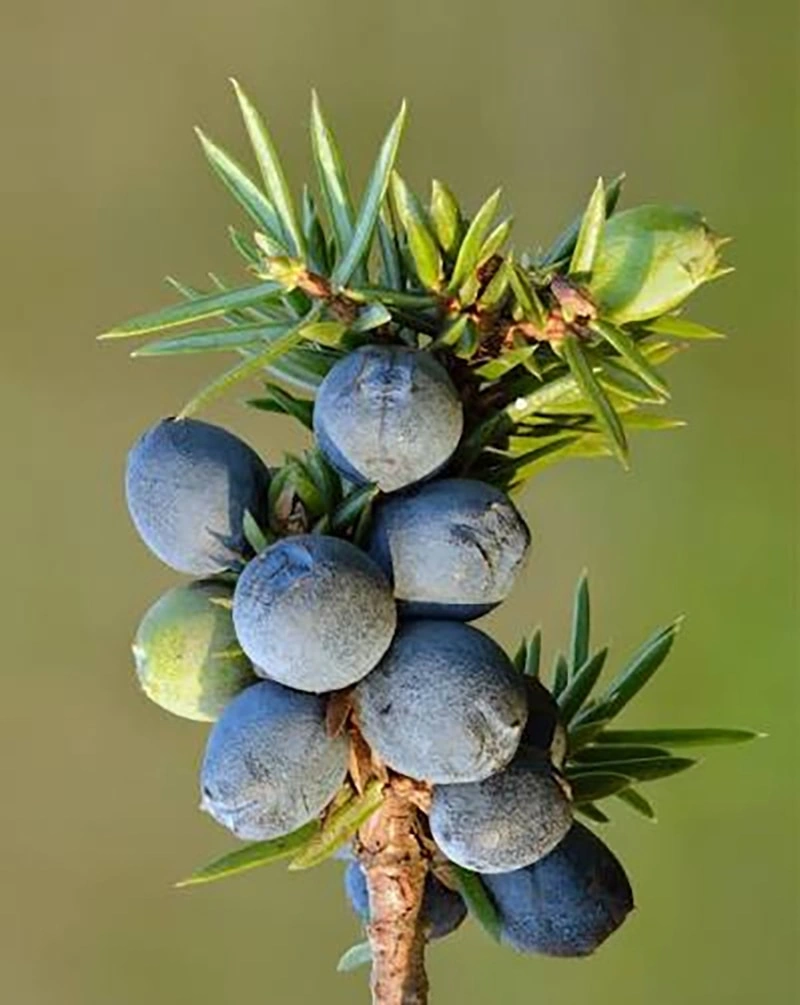
Juniper Berry (Juniperus communis) has long been recognized for its crisp, resinous aroma and its traditional role as a purifying botanical. Although commonly called a “berry,” the usable part of juniper is actually a berry-like cone from an evergreen conifer. In botanical pet care, this ingredient is valued for its fresh scent, antioxidant profile, and ability to support a cleaner, more balanced skin environment.
For pets, skin and coat problems are rarely caused by one factor alone. Outdoor exposure, scratching, moisture, odor-producing residue, and repeated barrier stress can all make the skin feel uncomfortable. Over time, these small daily stressors may weaken the skin’s natural defense system and make pets more reactive to ordinary environmental triggers.
Juniper Berry contains volatile terpenes such as α-pinene, sabinene, myrcene, limonene, and β-pinene, along with phenolic compounds that contribute to its antioxidant and purifying profile. Studies on Juniperus communis essential oil and extracts have reported antioxidant, antimicrobial, and anti-inflammatory activities, although most of this research is laboratory-based rather than pet clinical research.
For PhytoPaw, Juniper Berry is best positioned as a supportive botanical for skin freshness, microbial balance, and environmental protection. It helps maintain daily skin comfort and coat cleanliness, but it should not be described as a cure for infection, parasites, allergies, dermatitis, or other veterinary diseases.
Juniper Berry comes from Juniperus communis, an evergreen conifer in the Cupressaceae family. The plant grows widely across cool temperate regions and has been used traditionally in herbal preparations, aromatic applications, and botanical cleansing practices.
In modern formulation, different juniper materials may be used, including berry extract, seed extract, or essential oil. These are not identical. Extracts may emphasize phenolic and antioxidant compounds, while essential oils are richer in volatile terpenes. This distinction is important because pet-safe formulas require controlled concentration, proper dilution, and careful selection of the plant fraction.
Key Active Compounds
α-Pinene
One of the dominant monoterpenes in many juniper essential oils. It contributes to the clean, pine-like aroma and is associated with antimicrobial and refreshing activity.
Sabinene
A terpene commonly found in juniper berry oil. It supports the plant’s aromatic and cleansing character.
Myrcene, Limonene, and β-Pinene
These volatile compounds contribute to juniper’s fresh scent profile and surface-purifying function. Studies have shown that the chemical composition of juniper oil can vary significantly depending on origin, plant part, and harvest conditions.
Flavonoids and Phenolic Compounds
These plant antioxidants help protect the skin surface from oxidative stress caused by irritation, scratching, and environmental exposure.
Basic Mechanisms
Juniper Berry supports pet skin and coat care through several complementary mechanisms:
· Helping refresh and clarify the skin surface
· Supporting antioxidant defense against environmental stress
· Contributing to odor management through botanical freshness
· Helping maintain a balanced skin microenvironment
· Supporting comfort in areas affected by moisture, residue, or repeated irritation
A phytopharmacological review of Juniperus communis describes anti-inflammatory activity from juniper fruit in experimental models, including inhibition of prostaglandin and platelet-activating-factor-related activity.
Safety and Formulation Considerations
Juniper Berry should be used carefully in pet care. Concentrated essential oils are not the same as pet-formulated topical products. Essential oils can be absorbed through the skin, lungs, mucous membranes, and gastrointestinal tract, and higher concentration increases the risk of toxicity. Merck Veterinary Manual specifically advises that concentrated essential oils should not be applied directly to pets, and notes that cats are particularly sensitive because of differences in metabolism and grooming behavior.
In pet products, Juniper Berry or Juniper Seed should be:
· Professionally diluted
· Used externally only
· Kept away from eyes, nose, mouth, and genital areas
· Avoided on deep wounds or severely damaged skin
· Formulated specifically for dogs and cats
· Used with extra caution in cats, puppies, senior pets, pregnant pets, and animals with liver, kidney, or respiratory disease
Its value comes from safe formulation, not from using raw berries, homemade tinctures, or undiluted essential oil.
When properly formulated, Juniper Berry provides steady support for daily skin freshness and environmental balance.

1. Primary Benefit: Purifying the Skin and Coat Environment
Problem
After outdoor walks, grooming, play, or exposure to humidity, pet skin can accumulate sweat-like secretions, sebum, dust, pollen, and odor-producing residue. These materials may not always indicate disease, but they can make the coat smell stale and leave the skin feeling sticky or reactive.
Mechanism
Juniper Berry’s volatile terpenes contribute to a fresh, clarifying effect on the skin surface. In laboratory research, juniper extracts and essential oils have been associated with antimicrobial and antioxidant activities, supporting its traditional use as a purifying botanical.
Pet Care Value
In daily pet care, Juniper Berry may help:
· Refresh the coat after outdoor exposure
· Support a cleaner-feeling skin surface
· Reduce odor-related buildup
· Complement gentle cleansing ingredients
· Maintain a fresher skin and coat environment between baths
This makes Juniper Berry especially useful in leave-on sprays, coat refreshers, and skin-care formulas designed for pets exposed to outdoor or humid environments.
2. Secondary Benefit: Antioxidant Support Against Skin Stress
Problem
Scratching, licking, environmental exposure, and chronic low-grade irritation can increase oxidative stress on the skin surface. When oxidative pressure persists, the skin barrier may become weaker and more sensitive.
Mechanism
Juniper Berry contains phenolic compounds and terpenes that contribute to antioxidant activity. Research on Juniperus communis essential oils has reported antioxidant properties, with α-pinene, myrcene, sabinene, limonene, and β-pinene identified as major components in some samples.
Pet Care Value
For dogs and cats, antioxidant support may help:
· Protect skin cells from environmental stress
· Support recovery after mild surface irritation
· Complement barrier-repair ingredients
· Improve long-term skin resilience
· Reduce the impact of repeated grooming or scratching stress
This does not mean Juniper Berry can repair deep wounds, treat chronic dermatitis, or stop severe allergic reactions. Its role is supportive and maintenance-focused.
3. Environmental or Microbial Balance
Healthy pet skin is not sterile. It naturally contains microorganisms that coexist with the skin barrier. The goal of botanical skin care is not to eliminate all microbes, but to support a balanced environment where odor, moisture, and residue are less likely to cause discomfort.
Juniper Berry may help support this balance through:
· Mild surface-purifying properties
· A fresh botanical aroma that supports odor management
· Antioxidant support that reduces stress on irritated skin
· Compatibility with other soothing and barrier-supporting botanicals
The application boundary is important. Juniper Berry should not be described as killing bacteria, curing fungal infections, treating mites, or replacing antimicrobial medication. If a pet has strong odor, discharge, pus, swelling, hair loss, open lesions, or persistent itching, veterinary evaluation is needed.
4. Long-Term Maintenance Benefit
Juniper Berry works best as a consistent maintenance ingredient rather than a quick corrective treatment. Its strength lies in helping pets maintain a clean, balanced, and comfortable skin environment over time.
Long-term daily care value includes:
· Fresher coat feel
· Better odor management
· Support for pets exposed to outdoor stressors
· Reduced surface buildup between baths
· Complementary support for skin-barrier routines
What Juniper Berry cannot do:
· It cannot treat skin infections
· It cannot eliminate fleas, ticks, mites, or parasites
· It cannot replace veterinary diagnosis
· It cannot resolve food or environmental allergies
· It cannot substitute for prescribed medication
· It cannot safely be used as undiluted essential oil
This makes Juniper Berry a valuable botanical for balance—not an aggressive treatment ingredient.
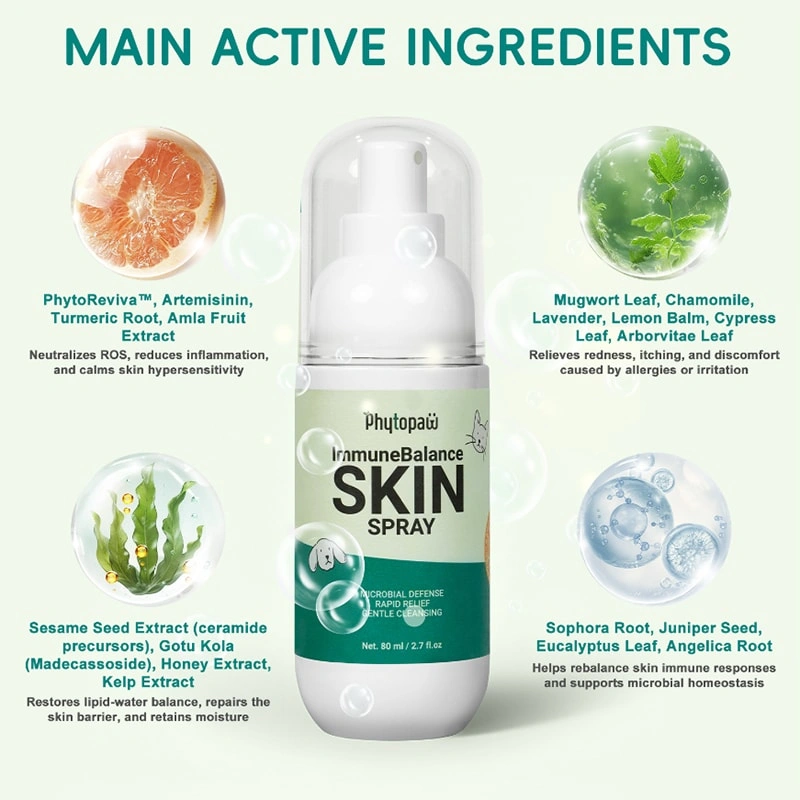
Juniper Berry’s benefits are most meaningful when it is used within a complete skin-care system. In PhytoPaw ImmuneBalance Skin Spray, Juniper Seed support fits into the formula’s microbial homeostasis and environmental balance group.
This product is designed for pets with sensitive, reactive, or repeatedly stressed skin. Instead of focusing only on short-term relief, ImmuneBalance Skin Spray supports the skin through soothing, antioxidant protection, barrier repair, hydration, and microenvironment balance.
Product Introduction
ImmuneBalance Skin Spray is a daily-use topical spray for dogs and cats with sensitive skin, mild redness, dryness, itching tendencies, or recurring environmental skin stress. It is designed to be sprayed onto affected or vulnerable areas, then gently massaged to form a light botanical protective layer.
Ingredient Synergy
Juniper Seed / Juniper Berry Support
Helps refresh the skin environment and support microbial balance without harsh cleansing.
Turmeric and Artemisinin
Support inflammation balance and antioxidant defense for reactive skin.
Mugwort, Chamomile, Lavender, Lemon Balm, Cypress Leaf, and Arborvitae Leaf
Help soothe visible redness, overheating, and itch-related discomfort caused by environmental sensitivity.
Gotu Kola and Kelp
Support skin-barrier repair, hydration, and long-term resilience.
Sesame Seed Extract and Honey Polysaccharides
Help restore lipid–water balance and improve moisture retention.
Sophora Root, Eucalyptus Leaf, Angelica Root, and Juniper Seed
Support a cleaner and more balanced skin microenvironment.
Functional Ingredient Groups
Purifying and Environmental Balance Group
Juniper Seed + Sophora Root + Eucalyptus Leaf + Angelica Root
Help maintain skin freshness and support local microenvironment balance.
Inflammation and Sensitivity Support Group
Turmeric + Mugwort + Arborvitae Leaf + Chamomile
Help calm visible redness and discomfort linked to environmental stress.
Barrier Repair Group
Gotu Kola + Kelp + Sesame Seed Extract
Support tissue resilience, hydration, and barrier recovery.
Moisture and Comfort Group
Honey Polysaccharides + botanical humectants
Help reduce dryness and improve daily skin comfort.
Product Care Process
ImmuneBalance Skin Spray supports a four-step care process:
1. Calm visible redness and sensitivity.
2. Refresh the skin surface with botanical purifying support.
3. Rebuild the skin barrier through hydration and repair-focused ingredients.
4. Maintain long-term comfort by supporting skin microenvironment balance.
Within this system, Juniper Berry is not the only active ingredient. Its role is to help keep the skin environment cleaner and more stable, allowing soothing and barrier-repair botanicals to work more effectively.
How to Use ImmuneBalance Skin Spray
1. Shake the bottle gently before use.
2. Spray evenly from about 20 cm away onto the affected or vulnerable skin area.
3. Avoid the eyes, nose, mouth, inner ears, genitals, and open wounds.
4. Gently massage until absorbed.
5. Allow the product to dry naturally and form a light botanical protective layer.
6. Use 2–3 times daily during periods of sensitivity, or as directed for maintenance.
7. For sensitive pets, test on a small area before wider application.
Do not allow heavy licking immediately after application.
Important Care Guidance
For external use only.
Do not apply raw juniper berry, juniper essential oil, homemade extracts, or undiluted botanical concentrates directly to pets.
Use extra caution with cats because they are more sensitive to essential oils and may ingest residues during grooming. Merck Veterinary Manual notes that essential oil toxicosis in animals may cause vomiting, drooling, ataxia, tremors, respiratory signs, seizures, liver failure, or kidney failure depending on the exposure type and concentration.
Consult a veterinarian if your pet has:
· Persistent or severe itching
· Open wounds or bleeding
· Pus, swelling, or heat
· Strong skin odor that does not improve
· Hair loss or spreading redness
· Thick crusts or moist lesions
· Signs of pain when touched
· Suspected fleas, ticks, mites, yeast, or bacterial infection
· Symptoms that return repeatedly after routine care
Juniper Berry can support skin freshness and balance, but it cannot replace diagnosis or medical treatment.
Juniper Berry is a crisp, purifying botanical with a distinctive profile of terpenes, phenolic compounds, and antioxidant activity. Its traditional cleansing character makes it especially suitable for pet skin and coat formulas focused on freshness, odor management, and environmental balance.
In PhytoPaw ImmuneBalance Skin Spray, Juniper Seed support works alongside soothing, antioxidant, hydrating, and barrier-repair botanicals to help maintain a cleaner and more resilient skin environment.
This reflects the PhytoPaw approach to plant-based pet care: using botanicals thoughtfully, respecting safety boundaries, and supporting pets through daily balance rather than harsh correction.
References
Bais, S., Gill, N. S., Rana, N., & Shandil, S. (2014). A phytopharmacological review on a medicinal plant: Juniperus communis International Scholarly Research Notices.
Höferl, M., et al. (2014). Chemical composition and antioxidant properties of juniper berry essential oil. Molecules.
Raina, R., et al. (2019). Potential of Juniperus communis L. as a nutraceutical in human and veterinary medicine. Heliyon.
Esteban, L. S., et al. (2023). Yield, chemical composition and bioactivity of essential oils from Juniperus communis. Molecules.
Merck Veterinary Manual. (2025). Toxicoses from essential oils in animals.

Juniper Berry (Juniperus communis) has long been recognized for its crisp, resinous aroma and its traditional role as a purifying botanical. Although commonly called a “berry,” the usable part of juniper is actually a berry-like cone from an evergreen conifer. In botanical pet care, this ingredient is valued for its fresh scent, antioxidant profile, and ability to support a cleaner, more balanced skin environment.
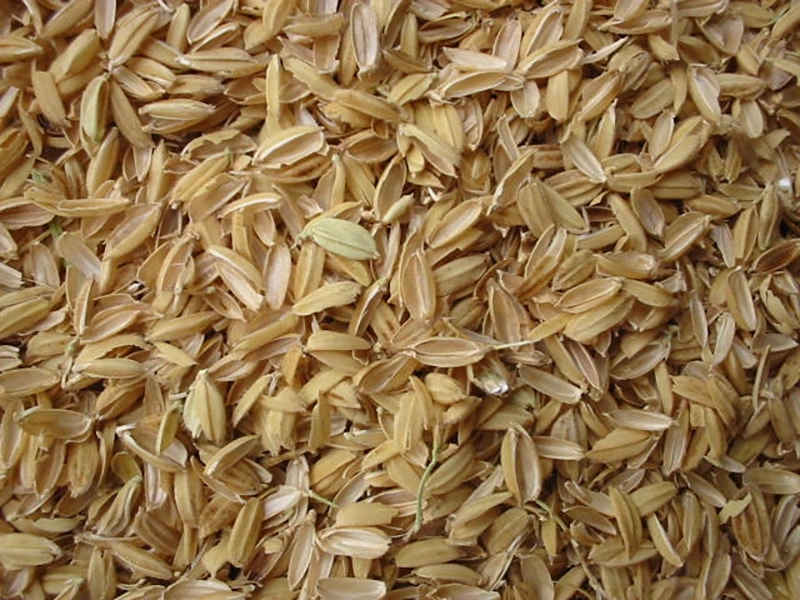
Rice Husk (Oryza sativa) is the protective outer layer surrounding each grain of rice. Although traditionally treated as an agricultural by-product, modern research has revealed that rice husk contains valuable phenolic compounds, antioxidants, and other plant-derived components that may support healthier skin.
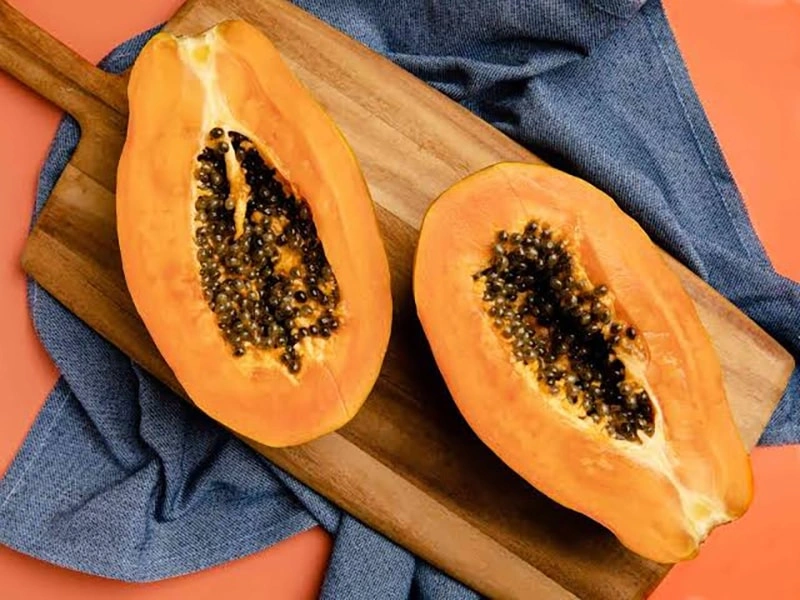
Papaya (Carica papaya) is widely recognized for its tropical sweetness, but its most valuable contribution to pet care comes from a natural proteolytic enzyme called papain. This enzyme breaks larger proteins into smaller fragments, giving papaya-derived ingredients a unique role in gentle, enzyme-based cleansing.

Grapefruit (Citrus paradisi) is a bright citrus botanical known for its fresh aroma, antioxidant activity, and natural purifying properties. In pet care, it is especially relevant for formulas designed to support coat freshness, skin surface hygiene, and gentle daily cleansing.
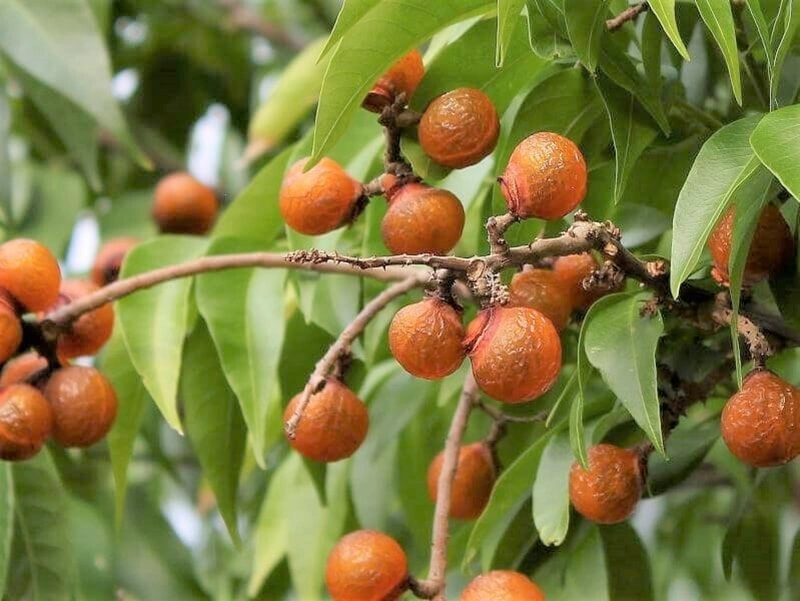
Soapnut (Sapindus mukorossi) is a traditional plant-derived cleanser valued for its naturally occurring saponins—surface-active compounds that create mild foam and help remove oil, debris, and environmental residue. Unlike many harsh synthetic cleansing agents, Soapnut offers a plant-based approach to hygiene that is gentle, biodegradable, and suitable for daily care concepts.
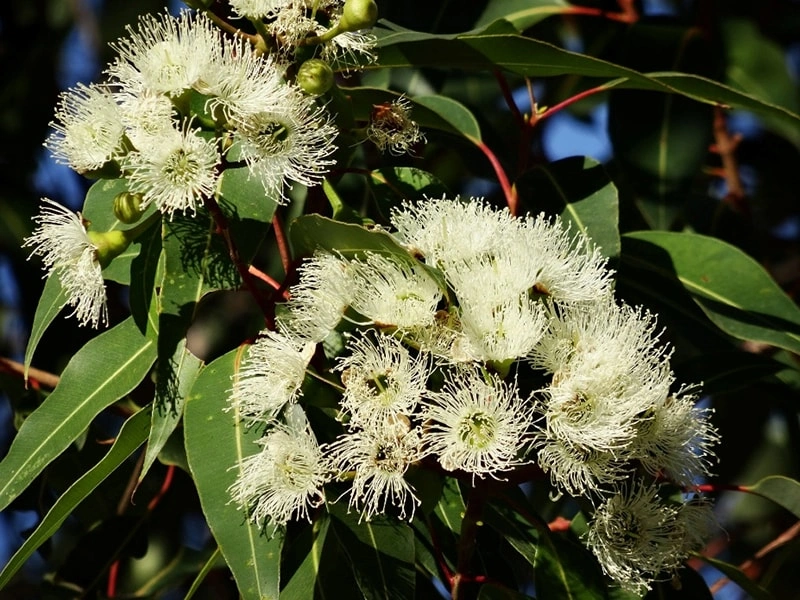
Lemon Eucalyptus (Corymbia citriodora, formerly Eucalyptus citriodora) is an aromatic botanical known for its bright lemon-like scent, refreshing profile, and protective properties. In modern pet care, it is especially valued for outdoor routines, where pets are exposed to grass, dust, humidity, environmental debris, and unwanted insects.
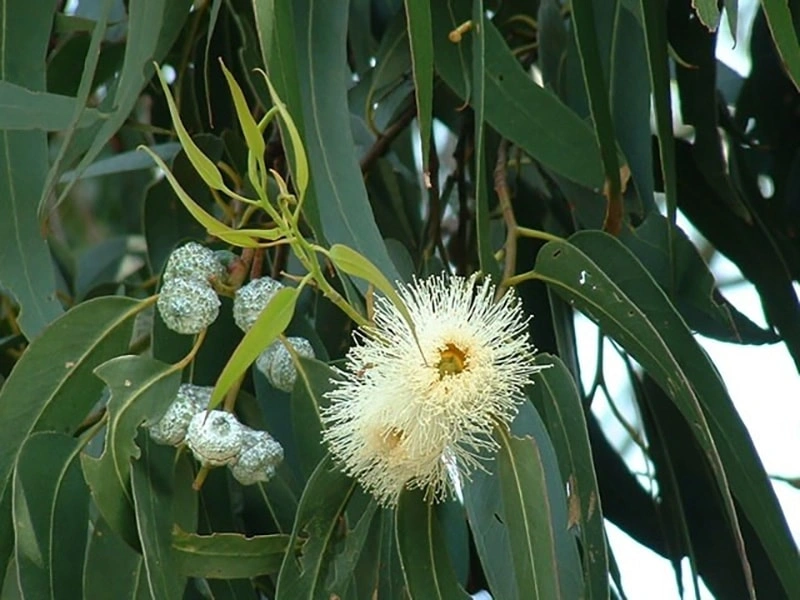
Blue Gum Eucalyptus (Eucalyptus globulus) is one of the most recognizable botanicals in natural wellness, known for its crisp, clean aroma and protective character. In pet care, it is valued not simply as a refreshing scent, but as a botanical ingredient that helps support skin cleanliness, coat freshness, and environmental comfort.
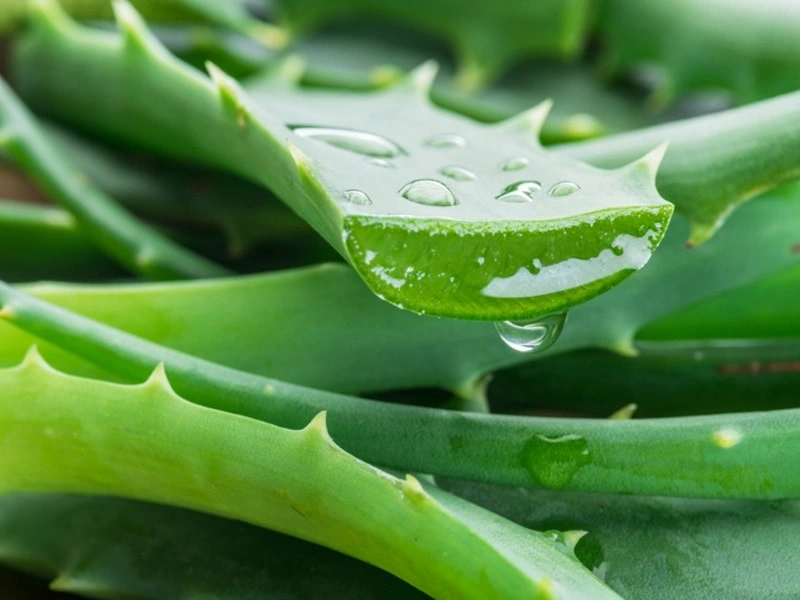
Aloe Vera (Aloe barbadensis miller) is one of the most widely recognized botanicals in both human and animal care—and for good reason. Known for its exceptional soothing, hydrating, and barrier-supporting properties, Aloe Vera plays a versatile role across multiple pet care categories, from skin and eye care to oral hygiene and daily cleansing.
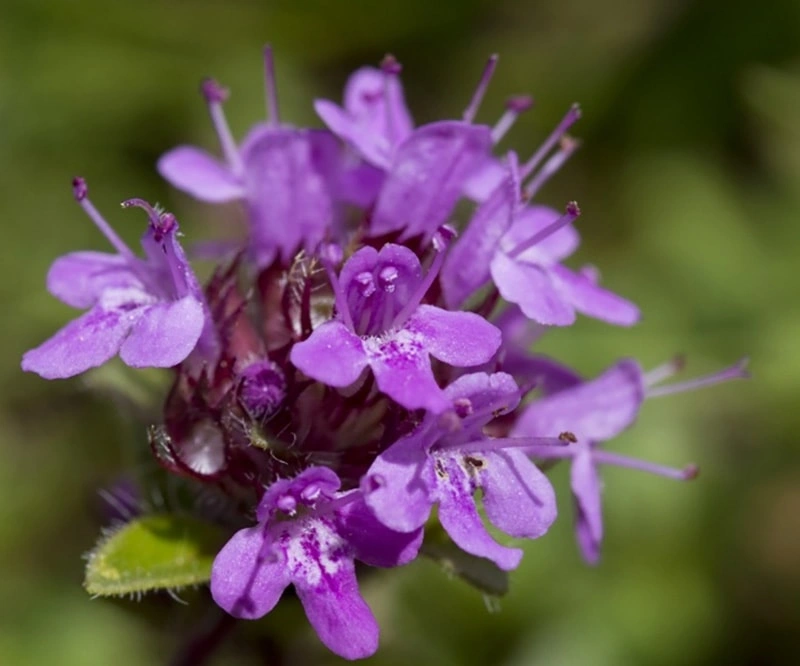
Discover how Wild Thyme supports pet skin freshness, surface balance, and everyday outdoor comfort. Learn why this cleansing botanical fits naturally into gentle daily pet care routines.

Discover how Litsea Cubeba supports coat freshness, surface cleanliness, and outdoor comfort for pets. Learn why this uplifting botanical fits naturally into gentle daily pet care routines.
Copyright © 2026 by Phytopaw Pet Health Limited All Rights Reserved