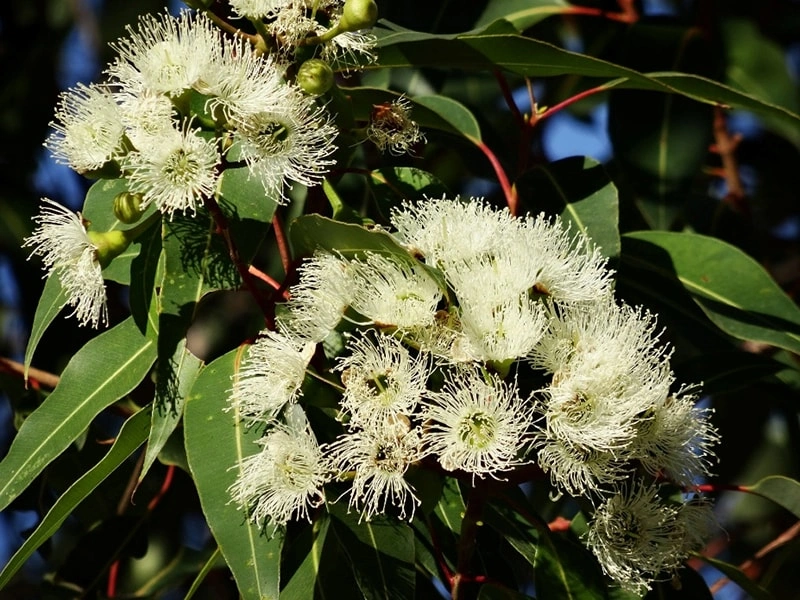
Lemon Eucalyptus (Corymbia citriodora, formerly Eucalyptus citriodora) is an aromatic botanical known for its bright lemon-like scent, refreshing profile, and protective properties. In modern pet care, it is especially valued for outdoor routines, where pets are exposed to grass, dust, humidity, environmental debris, and unwanted insects.
For dogs and cats, outdoor activity is healthy and necessary, but it also places repeated stress on the coat and skin. Residue, odor, moisture, and environmental irritants can gradually affect comfort, especially in pets with sensitive or reactive skin. Lemon Eucalyptus offers a plant-based way to support freshness, surface cleanliness, and outdoor protection without relying on heavy synthetic fragrance.
This makes Lemon Eucalyptus a meaningful ingredient in botanical pet skin care, particularly for daily hygiene routines designed around comfort, freshness, and prevention.
Lemon Eucalyptus is a tall evergreen tree native to Australia and widely cultivated in tropical and subtropical regions. Its leaves contain aromatic essential oil rich in aldehydes and monoterpenes, which contribute to its characteristic lemon-like scent and biological activity.
Key active components include:
Citronellal
The dominant aromatic compound in Lemon Eucalyptus essential oil, associated with its citrus scent, refreshing character, and insect-repellent profile.
Citronellol
A naturally occurring terpene alcohol that contributes to fragrance, freshness, and surface-cleansing support.
Isopulegol
A monoterpene compound associated with cooling, aromatic, and botanical comfort properties.
PMD-related Compounds
Oil of lemon eucalyptus is also known for p-menthane-3,8-diol, or PMD, a compound recognized in insect-repellent research and regulatory reviews. PMD occurs naturally in lemon eucalyptus and is also used as a repellent active in formulated products.
Together, these components give Lemon Eucalyptus its distinctive role as a refreshing and protective botanical.
1. Refreshing Outdoor Protection
Pets that spend time outdoors often encounter grass, dust, moisture, and insect-prone environments. Lemon Eucalyptus is especially useful in this context because of its fresh aromatic profile and recognized repellent-related compounds.
It helps support outdoor care by:
Creating a refreshing botanical scent layer
Helping reduce the feeling of outdoor residue on the coat
Supporting comfort after walks or park visits
Helping maintain a cleaner, fresher coat surface
Plant-based repellent reviews identify lemon eucalyptus as one of the more notable botanical sources for natural repellent activity, especially because of its PMD-related chemistry.
2. Supporting a Cleaner Skin Environment
Outdoor exposure can leave pollen, dirt, sweat residue, and environmental particles on the coat. If not managed, this buildup may contribute to odor or discomfort.
Lemon Eucalyptus supports a cleaner skin and coat environment by:
Helping refresh the coat after outdoor activity
Supporting surface hygiene
Reducing odor linked to environmental buildup
Complementing routine brushing and coat care
This makes it suitable for gentle daily skin care for pets, especially when formulated at pet-appropriate concentrations.
3. Helping Maintain Microbial Balance
A balanced skin surface is important for long-term comfort. Moisture, oil, and debris can create conditions where unwanted odor and microbial imbalance become more noticeable.
Lemon Eucalyptus contributes to microbial balance through:
Aromatic cleansing support
Surface-purifying botanical activity
Freshness maintenance between baths
Support for a cleaner coat microenvironment
Research on Corymbia citriodora and related eucalyptus essential oils has reported antibacterial, antioxidant, and other bioactivities, which supports its role in hygiene-oriented topical formulations.
4. Supporting Sensitive Skin Comfort
For sensitive skin dogs and cats, the goal of outdoor care is not simply to add fragrance. It is to reduce environmental burden while avoiding over-cleansing or irritation.
Lemon Eucalyptus supports comfort by:
Helping refresh the coat without heavy residue
Supporting a cleaner skin surface
Reducing the need for frequent bathing
Pairing well with soothing and hydrating botanicals
This approach fits naturally within immune balanced pet care, where the skin is supported through balance, mild cleansing, and daily protection.
Outdoor protection is often treated as a seasonal concern, but for many pets it is part of daily life. Every walk exposes the coat to new environmental particles, grass contact, insects, and odor sources.

Lemon Eucalyptus matters because it supports three important outdoor care needs:
Freshness after exposure
Skin and coat surface hygiene
A light botanical shield against environmental discomfort
Its role is especially valuable for pets that:
Walk daily in parks or grassy areas
Develop odor quickly after outdoor activity
Have skin that reacts easily to environmental stress
Need freshness between baths
Benefit from plant-based outdoor care routines
This makes Lemon Eucalyptus more than a pleasant scent. It becomes a functional ingredient in science backed herbal pet care, where botanical chemistry and practical daily use work together.
Lemon Eucalyptus is active and aromatic, so formulation matters.
Pure essential oils should not be applied directly to pet skin. Dogs and cats can be more sensitive than humans to concentrated aromatic compounds, and cats in particular may have limited ability to metabolize certain essential oil constituents. For this reason, Lemon Eucalyptus should only be used in carefully diluted, pet-specific formulations.
A responsible formulation should focus on:
Low, controlled concentration
External use only
Avoiding eyes, nose, mouth, and broken skin
Pairing with soothing or hydrating ingredients
Monitoring sensitive pets during first use
This is especially important because PMD-related materials have been associated with eye irritation precautions in regulatory assessments, reinforcing the need to avoid direct eye contact.
Lemon Eucalyptus works best when combined with botanicals that support coat freshness, outdoor comfort, and skin tolerance. In PhytoPaw routines, it can fit naturally into daily outdoor care through Coat Care Outdoor Spray.
For pets that need refreshing protection after walks, Coat Care Outdoor Spray
can be used as part of a daily coat-care routine. Lemon Eucalyptus supports a fresher coat feel and helps create a light botanical shield after outdoor exposure.
In this type of formula, Lemon Eucalyptus works well alongside other botanical ingredients that support:
Outdoor freshness
Coat comfort
Mild odor control
Skin surface balance
Daily hygiene maintenance
This allows pet parents to care for the coat after walks without relying on frequent bathing or heavy fragrance.
How to Use Lemon Eucalyptus–Based Pet Care
Use only products specifically formulated for pets
Apply externally according to product directions
Avoid eyes, nose, mouth, inner ears, and broken skin
Use after walks, park visits, or outdoor play
Brush or smooth through the coat if needed
For cats, puppies, pregnant pets, or highly sensitive pets, consult a veterinarian before use
Do not apply concentrated Lemon Eucalyptus essential oil directly to pets.
Lemon Eucalyptus is a refreshing protector for pet skin and coat. With its clean citrus-like aroma, surface-cleansing support, and outdoor protection profile, it helps pets stay fresher and more comfortable after daily exposure to grass, dust, moisture, and environmental irritants.
Its value lies in balance. When properly formulated for pets, Lemon Eucalyptus supports freshness without harsh cleansing, protection without heaviness, and daily care without overcorrection.
For active pets and outdoor routines, Lemon Eucalyptus offers a natural botanical layer of comfort—helping transform every walk into a cleaner, fresher, and more balanced care experience.
References
Maia, M. F., & Moore, S. J. (2011). Plant-based insect repellents: A review of their efficacy, development and testing. Malaria Journal, 10, S11.
Miguel, M. G., Cruz, C., Faleiro, M. L., Simões, M. T. F., Figueiredo, A. C., Barroso, J. G., & Pedro, L. G. (2018). Antibacterial, antioxidant, and antiproliferative activities of Corymbia citriodora and the essential oils of eight Eucalyptus species. Evidence-Based Complementary and Alternative Medicine, 2018, 1–12.
Lee, J., Bibbs, C. S., Xue, R. D., & Bernier, U. R. (2018). Effect of the topical repellent para-menthane-3,8-diol on Aedes aegypti blood feeding and fecundity. Journal of Medical Entomology, 55(5), 1153–1157.
Ho, C. L., Jie-Pinge, L., Fang, S. H., & Liu, Y. C. (2020). Eucalyptus essential oils inhibit the lipopolysaccharide-induced inflammatory response in RAW264.7 macrophages through reducing MAPK and NF-κB pathways. Molecules, 25(8), 1929.
Dhakad, A. K., Pandey, V. V., Beg, S., Rawat, J. M., & Singh, A. (2018). Biological, medicinal and toxicological significance of eucalyptus leaf essential oil: A review. Journal of the Science of Food and Agriculture, 98(3), 833–848.

Juniper Berry (Juniperus communis) has long been recognized for its crisp, resinous aroma and its traditional role as a purifying botanical. Although commonly called a “berry,” the usable part of juniper is actually a berry-like cone from an evergreen conifer. In botanical pet care, this ingredient is valued for its fresh scent, antioxidant profile, and ability to support a cleaner, more balanced skin environment.
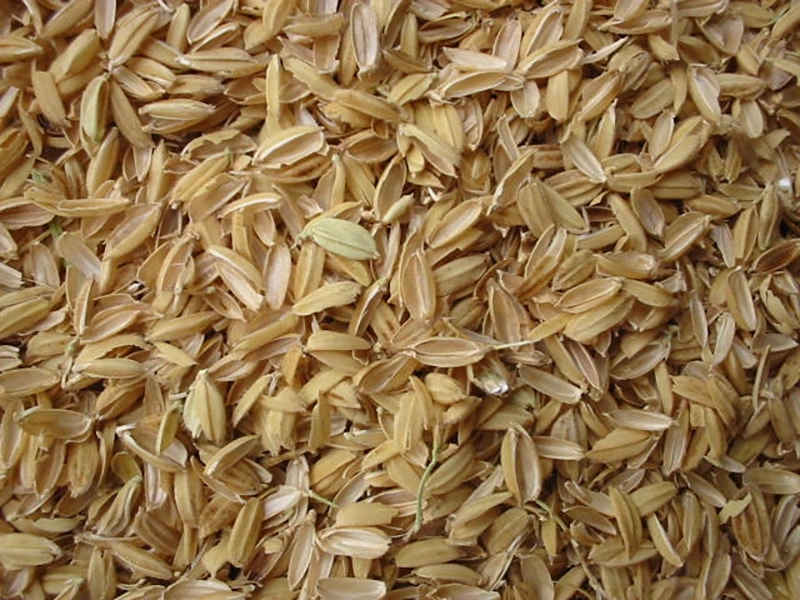
Rice Husk (Oryza sativa) is the protective outer layer surrounding each grain of rice. Although traditionally treated as an agricultural by-product, modern research has revealed that rice husk contains valuable phenolic compounds, antioxidants, and other plant-derived components that may support healthier skin.
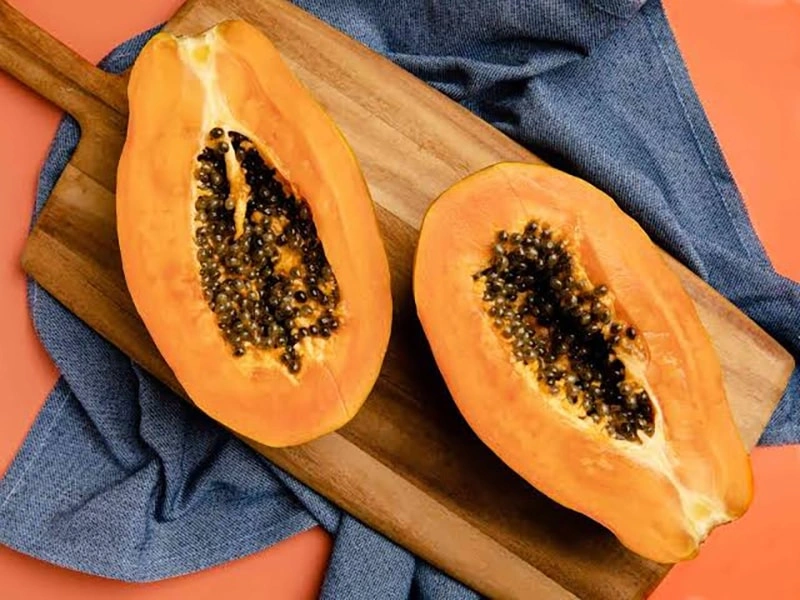
Papaya (Carica papaya) is widely recognized for its tropical sweetness, but its most valuable contribution to pet care comes from a natural proteolytic enzyme called papain. This enzyme breaks larger proteins into smaller fragments, giving papaya-derived ingredients a unique role in gentle, enzyme-based cleansing.

Grapefruit (Citrus paradisi) is a bright citrus botanical known for its fresh aroma, antioxidant activity, and natural purifying properties. In pet care, it is especially relevant for formulas designed to support coat freshness, skin surface hygiene, and gentle daily cleansing.
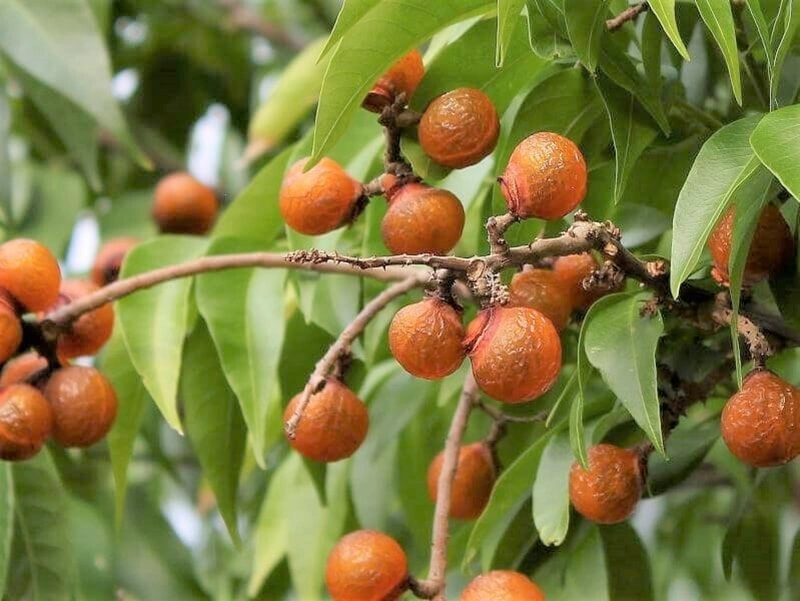
Soapnut (Sapindus mukorossi) is a traditional plant-derived cleanser valued for its naturally occurring saponins—surface-active compounds that create mild foam and help remove oil, debris, and environmental residue. Unlike many harsh synthetic cleansing agents, Soapnut offers a plant-based approach to hygiene that is gentle, biodegradable, and suitable for daily care concepts.
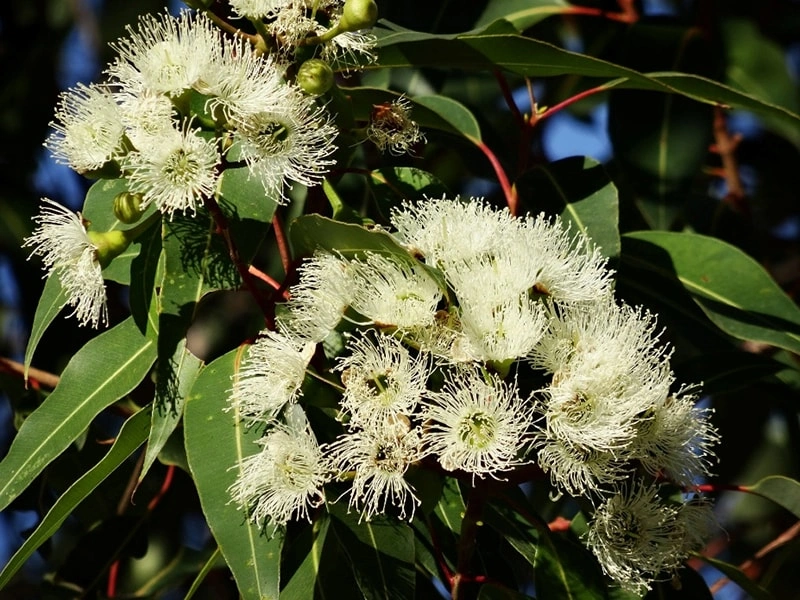
Lemon Eucalyptus (Corymbia citriodora, formerly Eucalyptus citriodora) is an aromatic botanical known for its bright lemon-like scent, refreshing profile, and protective properties. In modern pet care, it is especially valued for outdoor routines, where pets are exposed to grass, dust, humidity, environmental debris, and unwanted insects.
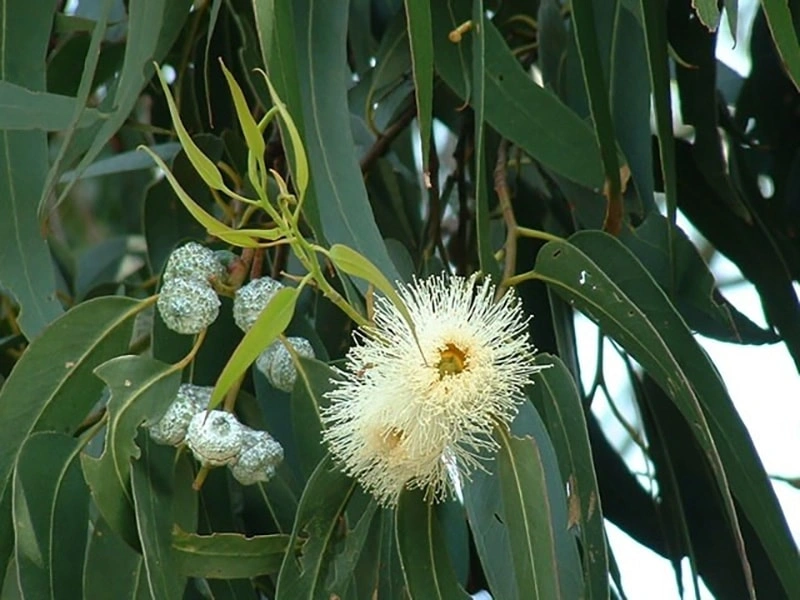
Blue Gum Eucalyptus (Eucalyptus globulus) is one of the most recognizable botanicals in natural wellness, known for its crisp, clean aroma and protective character. In pet care, it is valued not simply as a refreshing scent, but as a botanical ingredient that helps support skin cleanliness, coat freshness, and environmental comfort.
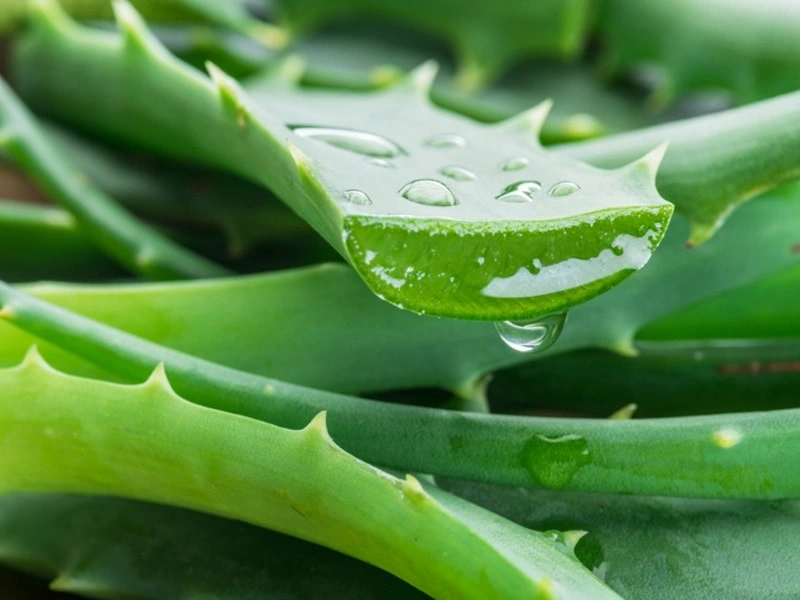
Aloe Vera (Aloe barbadensis miller) is one of the most widely recognized botanicals in both human and animal care—and for good reason. Known for its exceptional soothing, hydrating, and barrier-supporting properties, Aloe Vera plays a versatile role across multiple pet care categories, from skin and eye care to oral hygiene and daily cleansing.
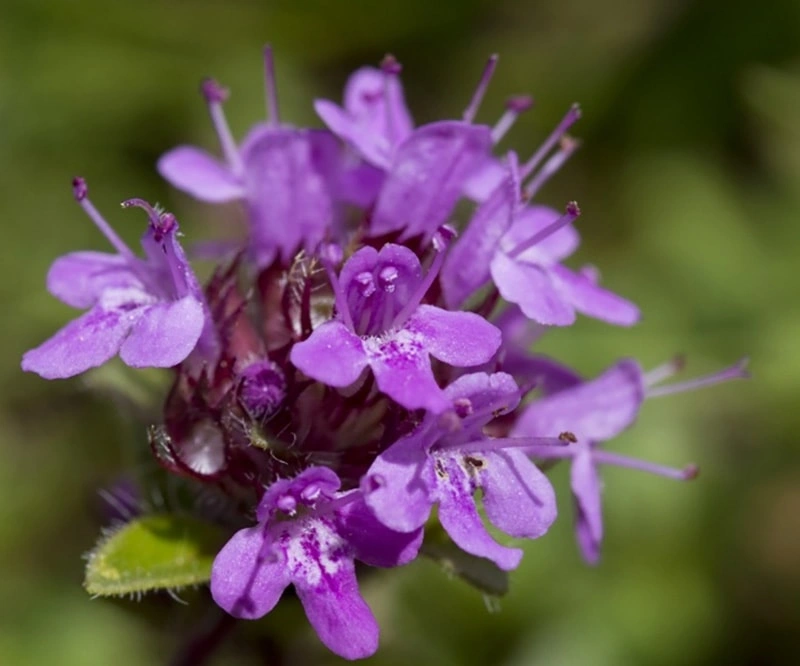
Discover how Wild Thyme supports pet skin freshness, surface balance, and everyday outdoor comfort. Learn why this cleansing botanical fits naturally into gentle daily pet care routines.

Discover how Litsea Cubeba supports coat freshness, surface cleanliness, and outdoor comfort for pets. Learn why this uplifting botanical fits naturally into gentle daily pet care routines.
Copyright © 2026 by Phytopaw Pet Health Limited All Rights Reserved