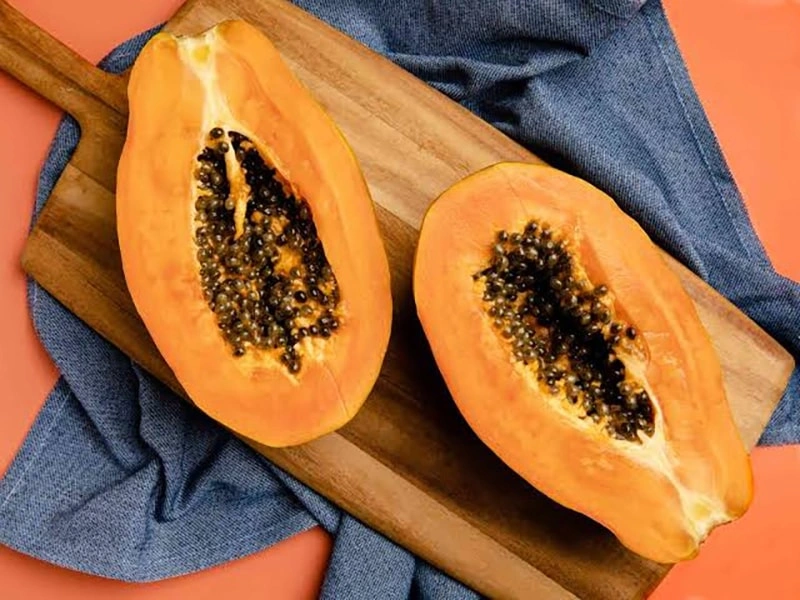
Papaya (Carica papaya) is widely recognized for its tropical sweetness, but its most valuable contribution to pet care comes from a natural proteolytic enzyme called papain. This enzyme breaks larger proteins into smaller fragments, giving papaya-derived ingredients a unique role in gentle, enzyme-based cleansing.
In pet oral care, papain is particularly useful for addressing the protein-rich film that forms on the tooth surface. Food particles, saliva proteins, and bacteria can gradually combine into dental plaque. If this soft buildup is not removed regularly, it may become more difficult to manage and eventually contribute to hardened calculus and gum irritation.
Rather than relying only on abrasive scrubbing, papain supports a gentler approach by helping loosen protein-based residue before it becomes firmly attached. This makes Papaya a valuable ingredient in natural pet dental care, especially for dogs and cats that resist conventional toothbrushing.
Papaya is a tropical fruit-producing plant native to Central America and now cultivated throughout tropical and subtropical regions. Its fruit, leaves, stems, and latex contain several biologically active compounds, but papain is the component most relevant to enzymatic cleansing.
Papain is a cysteine protease—an enzyme capable of breaking peptide bonds within proteins. Its relatively broad substrate specificity allows it to act on different protein materials rather than on one highly specific target.
Important papaya-derived components include:
Papain
The primary proteolytic enzyme associated with papaya. It helps break down protein-containing deposits and supports the loosening of organic residue.
Chymopapain
Another proteolytic enzyme naturally present in papaya latex. It complements papain’s ability to process protein structures, although papain is more commonly used in oral-care formulations.
Polyphenols and Flavonoids
Papaya fruit and plant extracts also contain antioxidant compounds that may help protect tissues from oxidative stress. However, their concentration and activity depend on the plant part and extraction method.
For pet dental products, purified or carefully standardized papain is preferable to raw papaya latex. Raw plant materials may vary in enzyme concentration and can be irritating when used incorrectly.
When incorporated into a properly formulated dental product, papain offers targeted support for everyday oral cleansing.
1. Helping Loosen Protein-Rich Dental Plaque
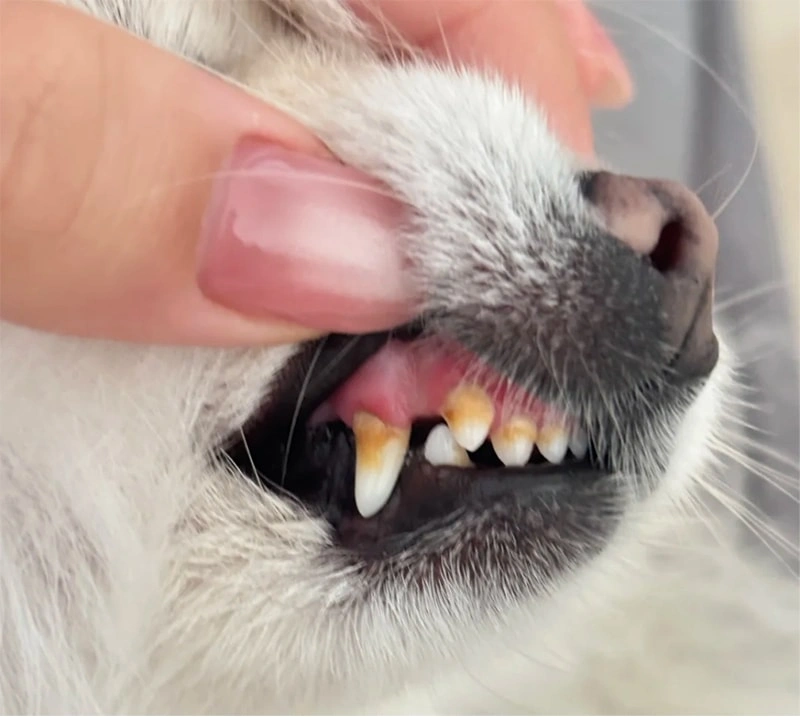
The tooth surface is naturally covered by a thin salivary layer known as the acquired pellicle. Proteins within this film provide attachment sites for bacteria, food residue, and other materials involved in early plaque formation.
Because papain breaks down proteins, it may help disrupt or loosen this organic layer, making soft deposits easier to remove during brushing or wiping.
Papain supports pet dental cleansing by:
· Breaking down protein-containing surface residue
· Helping soften recently formed plaque
· Reducing the attachment of food debris to the tooth surface
· Making mechanical cleaning more efficient
· Supporting cleaner teeth without aggressive abrasion
Human dental studies involving papain-containing toothpastes have reported improvements in plaque indices and stain removal. However, many of these products contained additional ingredients such as bromelain, neem, miswak, pyrophosphate, or abrasives, so their results cannot be attributed to papain alone.
2. Providing Gentle, Low-Abrasion Cleansing
Some dental products depend heavily on abrasive particles to polish the teeth. Although controlled abrasion can help remove deposits, excessive friction may be unsuitable for pets with sensitive gums or limited tolerance for brushing.
Papain works differently. Instead of physically scraping residue from the tooth, it acts enzymatically on protein structures.
This can provide:
· Gentler removal of surface buildup
· Less dependence on vigorous brushing
· Better suitability for pets that dislike prolonged oral handling
· Support for cleaning around uneven tooth surfaces
· A more comfortable daily dental routine
Laboratory studies have found that papain- and bromelain-containing dentifrices can remove external tooth stains, supporting the ability of proteolytic enzymes to loosen protein-bound surface deposits. These findings were obtained from human tooth models and should be interpreted as mechanistic support rather than direct proof of effectiveness in dogs or cats.
3. Supporting a Cleaner Oral Environment
Dental plaque is not simply leftover food. It is an organized biofilm containing microorganisms embedded within proteins, carbohydrates, and other materials.
By helping break down protein components, papain may make this surface environment less favorable for persistent buildup and easier to clean mechanically.
Potential benefits include:
· Reducing retained organic residue
· Helping limit odor-producing buildup
· Supporting a fresher mouth between brushing sessions
· Complementing other plaque-control ingredients
· Encouraging a more balanced oral-care routine
Emerging laboratory research also suggests that papain can interfere with certain bacterial biofilms. However, these findings do not mean that papain sterilizes the mouth or treats periodontal infections. Its role in pet products should remain supportive and hygiene-focused.
4. Helping Maintain a Naturally Brighter Tooth Surface
Yellow or brown discoloration on pet teeth may come from soft plaque, food residue, pigments, or hardened calculus. Papain may help improve the appearance of teeth when staining is associated with removable protein-based deposits.
It may support a cleaner-looking tooth surface by:
· Loosening pigmented organic films
· Helping remove residue trapped within soft plaque
· Improving the effectiveness of wiping or brushing
· Reducing the need for highly abrasive polishing ingredients
Papain cannot dissolve established mineralized calculus. Once plaque has hardened into calculus, professional veterinary scaling may be required. AAHA guidance specifically distinguishes between removing soft plaque through daily home care and removing hardened deposits through professional dental treatment.
Papain’s enzymatic action is most useful when combined with ingredients that soften buildup, support oral comfort, and help protect the tooth surface after cleaning.
In PhytoPaw PlaqueOff Dental Kit, papain is incorporated into the Plaque Softening Pen, where it helps prepare protein-rich residue for easier removal.
How Papain Works Within the Plaque Softening Pen
Enzymatic Plaque Softening
Papain
Helps break down protein-containing films and loosen soft deposits attached to the tooth surface.
Mineral-Buildup Management
Tetrasodium Pyrophosphate
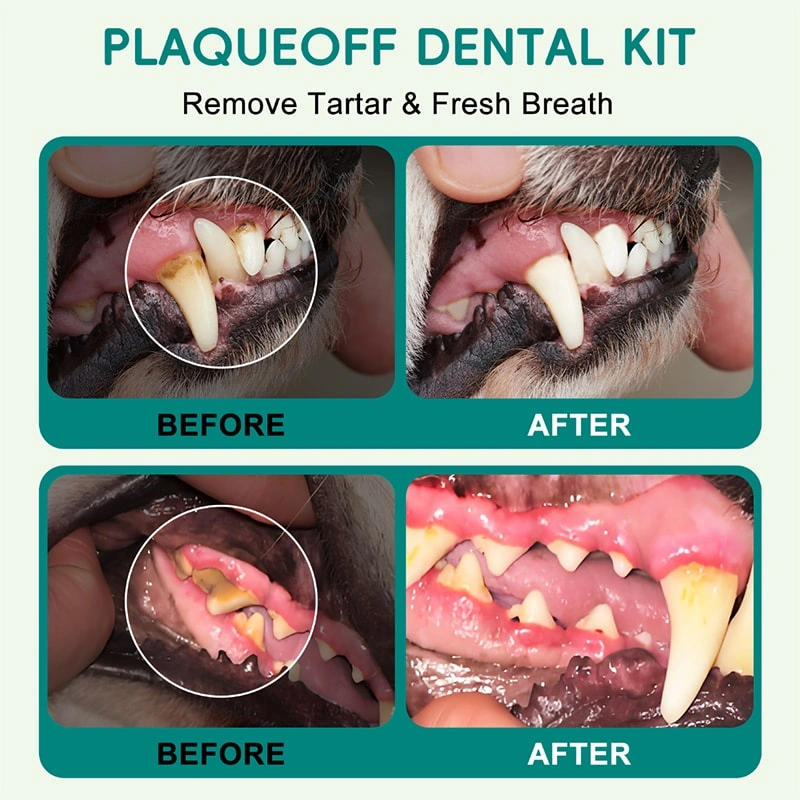
Helps bind calcium and reduce the conditions that encourage mineralized deposit formation.
Natural Oral Freshness
Persimmon Fruit Extract
Contains tannin-related compounds that help neutralize odor and support a fresher oral environment.
Gentle Gum Comfort
Chamomile Extract and Aloe Vera Extract
Help soothe sensitive oral tissues and make regular cleaning more comfortable.
Oral Environment Support
Lysozyme
Complements daily cleansing by helping maintain a cleaner oral surface.
The Dental Shield Pen completes the routine with ingredients such as zinc gluconate, tea polyphenols, chitosan, grape seed extract, persimmon extract, propolis, hyaluronic acid, and rosemary extract. These ingredients help support freshness, moisture, and a protective environment after plaque has been loosened and removed.
Together, the two-step system follows a clear daily-care logic:
1. Soften and loosen protein-rich plaque with the Plaque Softening Pen.
2. Remove loosened residue using the finger brush.
3. Protect and maintain the cleaned tooth and gum surface with the Dental Shield Pen.
This enzymatic and mechanical combination is more appropriate than presenting papain as a stand-alone treatment. Research on papain-containing oral products is promising, but pet-specific clinical evidence remains limited and daily physical plaque removal is still essential.
How to Use PlaqueOff Dental Kit
Step 1: Apply the Plaque Softening Pen
Apply a thin, even layer along the visible tooth surface and gumline, concentrating on areas with soft yellowish buildup.
Step 2: Allow Brief Contact
Leave the formula on the teeth briefly so the papain-containing gel can contact protein-based residue.
Step 3: Brush Gently
Use the included finger brush to clean the outer tooth surfaces with gentle circular motions. Pay particular attention to the cheek-facing surfaces of the upper teeth, where plaque and calculus commonly accumulate in dogs and cats.
Step 4: Apply the Dental Shield Pen
After cleaning, apply a thin layer of the protective gel across the teeth and gumline. No rinsing is required when used according to the product directions.
For the best results, use the system consistently as part of a daily pet oral hygiene routine.
Important Care Guidance
· Use only products specifically formulated for pets.
· Never use human toothpaste, as some human formulations contain ingredients that may be unsafe for animals.
· Do not apply concentrated papain, raw papaya latex, or homemade enzyme mixtures directly to a pet’s mouth.
· Stop use if significant redness, swelling, bleeding, or discomfort occurs.
· Seek veterinary care for persistent bad breath, loose teeth, heavy brown calculus, bleeding gums, facial swelling, drooling, or difficulty eating.
· Home-care products support plaque management but cannot clean below the gumline or replace veterinary dental examinations and professional treatment.
Daily brushing remains the preferred method of reducing plaque accumulation in pets. Enzymatic gels and dental pens are most valuable as complementary tools, particularly for animals that do not tolerate complete brushing.
Papaya is more than a nutritious tropical fruit. Through papain, it provides a naturally derived enzymatic approach to pet oral cleansing.
By breaking down protein-rich films, helping soften early plaque, and making residue easier to remove, papain supports dental care without depending entirely on aggressive abrasion. Its greatest value is not in dissolving hardened tartar or treating dental disease, but in making consistent daily cleaning gentler and more manageable.
Within PhytoPaw PlaqueOff Dental Kit, papain works as the natural cleansing foundation of a two-step system—loosening buildup first, then supporting a cleaner and more protected oral environment.
For pets that need daily care with less struggle, Papaya offers nature’s enzymatic answer to cleaner teeth, fresher breath, and a more comfortable dental routine.
References
Tadikonda, A., Pentapati, K. C., Urala, A. S., & Acharya, S. (2017). Anti-plaque and anti-gingivitis effect of Papain, Bromelain, Miswak and Neem containing dentifrice: A randomized controlled trial. Journal of Clinical and Experimental Dentistry, 9(5), e649–e653. doi:10.4317/jced.53593
Kalyana, P., Shashidhar, A., Meghashyam, B., Sreevidya, K. R., & Sweta, S. (2011). Stain removal efficacy of a novel dentifrice containing papain and bromelain extracts—an in vitro study. International Journal of Dental Hygiene, 9(3), 229–233. doi:10.1111/j.1601-5037.2010.00473.x
Chakravarthy, P. K., Acharya, S., & Pentapati, K. C. (2012). Efficacy of extrinsic stain removal by novel dentifrice containing papain and bromelain extracts. Journal of Young Pharmacists, 4(4), 245–249. doi:10.4103/0975-1483.104368
Chhabile, S., Vishwakarma, P., Agrawal, A., Pundkar, S. R., Mali, G., Patil, S., & Gupta, S. (2024). Effectiveness of papain-based organic dentifrices versus commercial whitening dentifrice on tea-induced tooth stains: An in vitro study. Cureus, 16(9), e69225. doi:10.7759/cureus.69225
Saberi, Z., Rahimi, A., Feizi, A., Golestannejad, Z., Saidi, Z., & Jafari, Z. (2025). The effect of Carica papaya on periodontal disease: A systematic review and meta-analysis. Advanced Biomedical Research, 14, 95. doi:10.4103/abr.abr_223_24

Juniper Berry (Juniperus communis) has long been recognized for its crisp, resinous aroma and its traditional role as a purifying botanical. Although commonly called a “berry,” the usable part of juniper is actually a berry-like cone from an evergreen conifer. In botanical pet care, this ingredient is valued for its fresh scent, antioxidant profile, and ability to support a cleaner, more balanced skin environment.
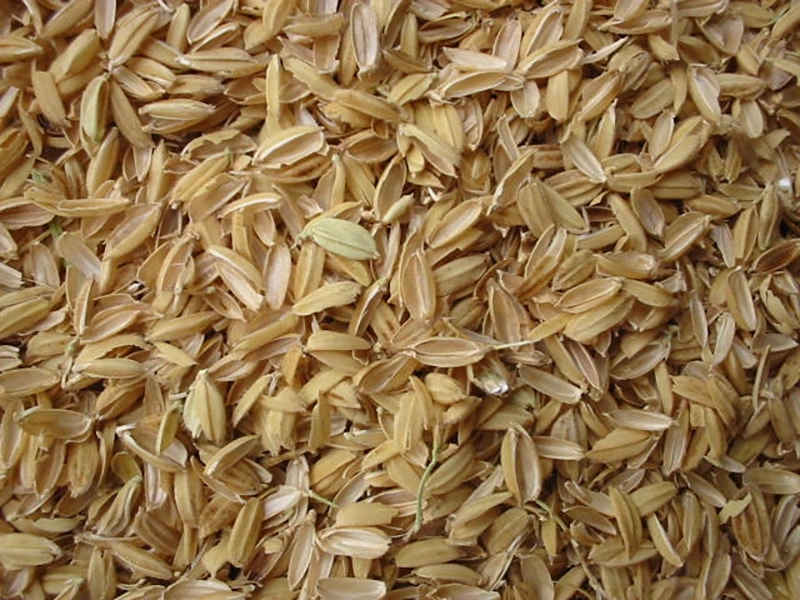
Rice Husk (Oryza sativa) is the protective outer layer surrounding each grain of rice. Although traditionally treated as an agricultural by-product, modern research has revealed that rice husk contains valuable phenolic compounds, antioxidants, and other plant-derived components that may support healthier skin.
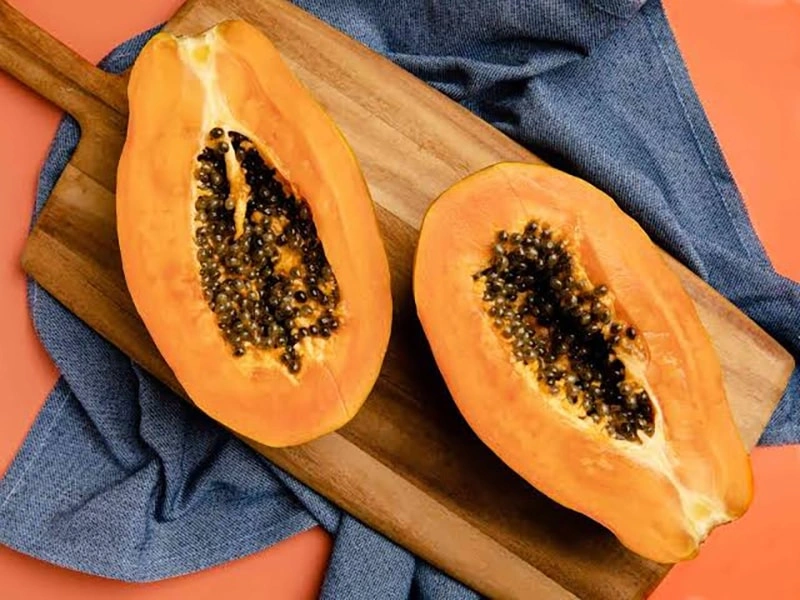
Papaya (Carica papaya) is widely recognized for its tropical sweetness, but its most valuable contribution to pet care comes from a natural proteolytic enzyme called papain. This enzyme breaks larger proteins into smaller fragments, giving papaya-derived ingredients a unique role in gentle, enzyme-based cleansing.

Grapefruit (Citrus paradisi) is a bright citrus botanical known for its fresh aroma, antioxidant activity, and natural purifying properties. In pet care, it is especially relevant for formulas designed to support coat freshness, skin surface hygiene, and gentle daily cleansing.
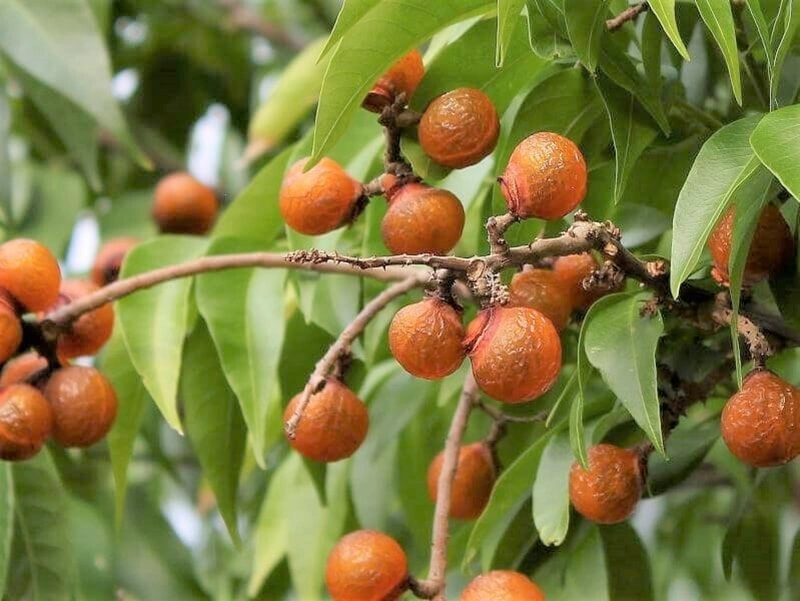
Soapnut (Sapindus mukorossi) is a traditional plant-derived cleanser valued for its naturally occurring saponins—surface-active compounds that create mild foam and help remove oil, debris, and environmental residue. Unlike many harsh synthetic cleansing agents, Soapnut offers a plant-based approach to hygiene that is gentle, biodegradable, and suitable for daily care concepts.
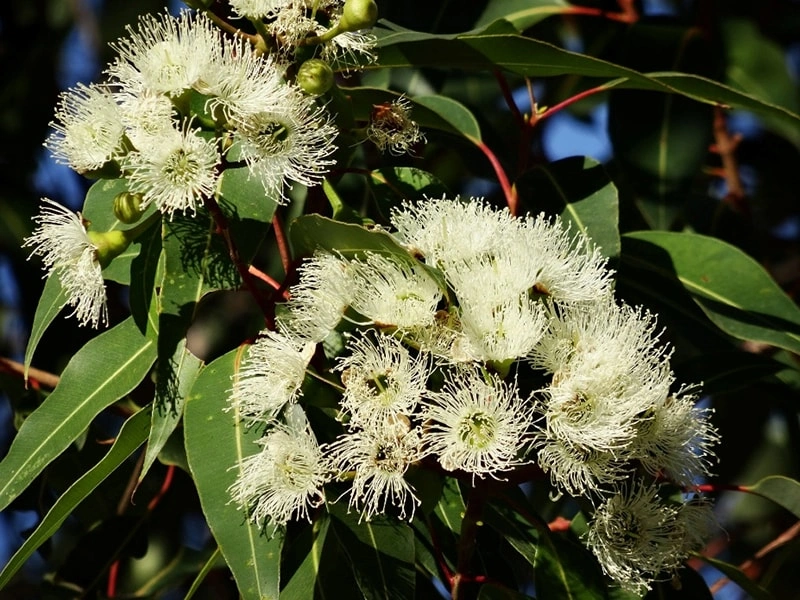
Lemon Eucalyptus (Corymbia citriodora, formerly Eucalyptus citriodora) is an aromatic botanical known for its bright lemon-like scent, refreshing profile, and protective properties. In modern pet care, it is especially valued for outdoor routines, where pets are exposed to grass, dust, humidity, environmental debris, and unwanted insects.
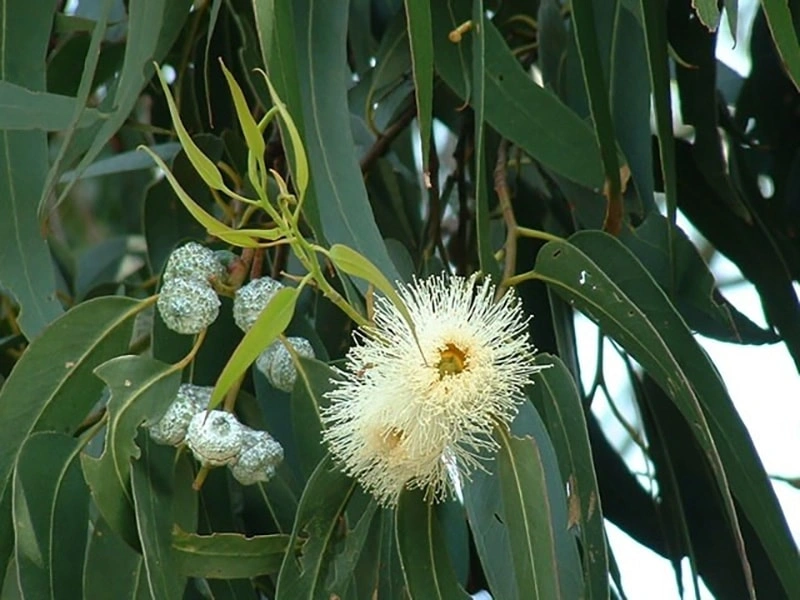
Blue Gum Eucalyptus (Eucalyptus globulus) is one of the most recognizable botanicals in natural wellness, known for its crisp, clean aroma and protective character. In pet care, it is valued not simply as a refreshing scent, but as a botanical ingredient that helps support skin cleanliness, coat freshness, and environmental comfort.
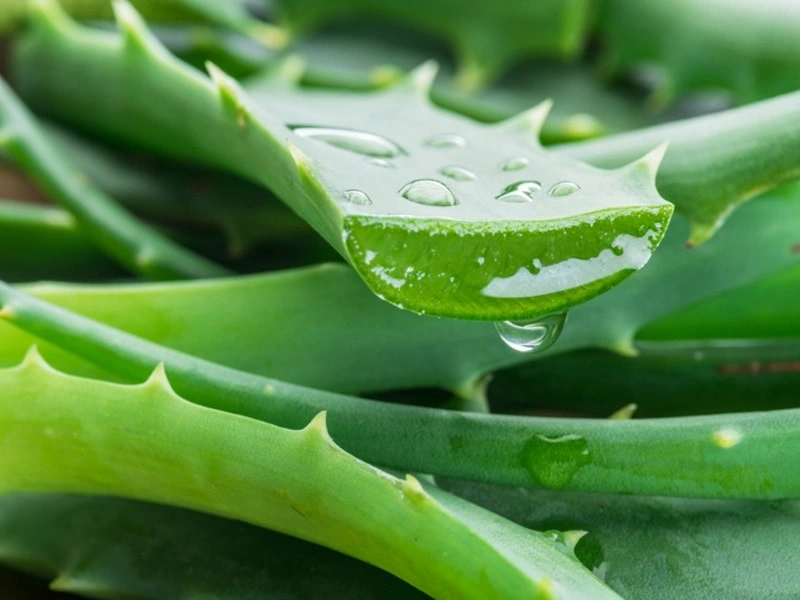
Aloe Vera (Aloe barbadensis miller) is one of the most widely recognized botanicals in both human and animal care—and for good reason. Known for its exceptional soothing, hydrating, and barrier-supporting properties, Aloe Vera plays a versatile role across multiple pet care categories, from skin and eye care to oral hygiene and daily cleansing.
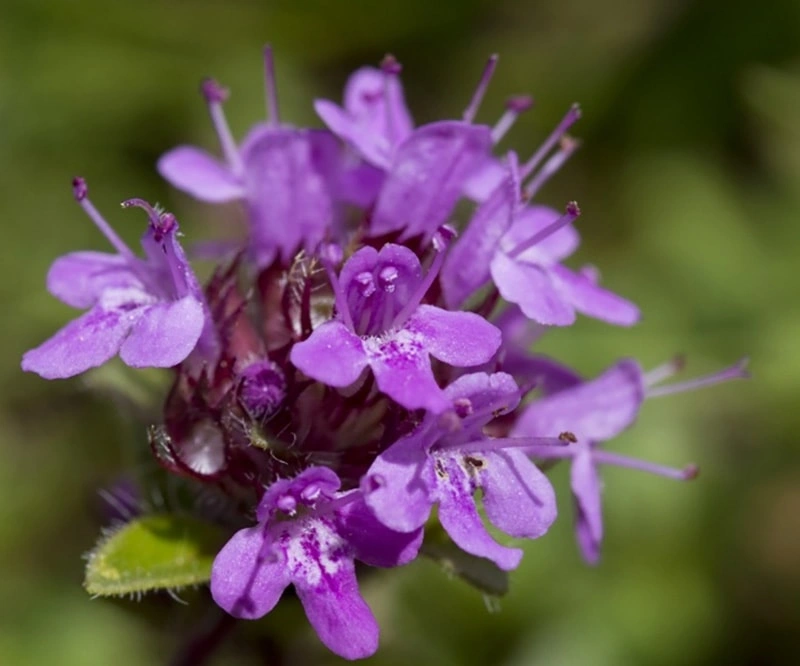
Discover how Wild Thyme supports pet skin freshness, surface balance, and everyday outdoor comfort. Learn why this cleansing botanical fits naturally into gentle daily pet care routines.

Discover how Litsea Cubeba supports coat freshness, surface cleanliness, and outdoor comfort for pets. Learn why this uplifting botanical fits naturally into gentle daily pet care routines.
Copyright © 2026 by Phytopaw Pet Health Limited All Rights Reserved