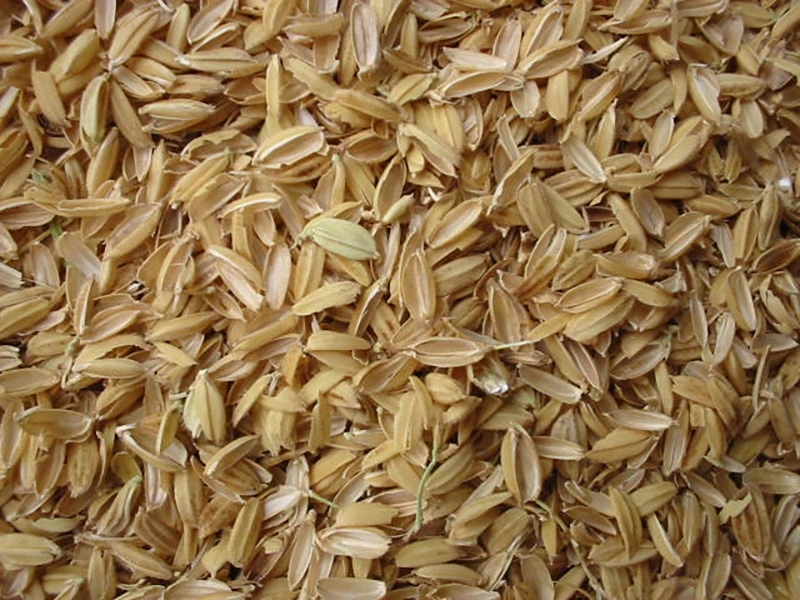
Rice Husk (Oryza sativa) is the protective outer layer surrounding each grain of rice. Although traditionally treated as an agricultural by-product, modern research has revealed that rice husk contains valuable phenolic compounds, antioxidants, and other plant-derived components that may support healthier skin.
In botanical pet skin care, Rice Husk Extract is particularly valuable for pets whose skin becomes oily, uncomfortable, or easily affected by environmental residue. Instead of relying on aggressive cleansing agents that may strip the skin, it provides gentle support for surface cleanliness, antioxidant protection, and a more balanced skin environment.
This makes Rice Husk a fitting ingredient for sensitive skin dogs and cats that need regular cleansing without unnecessary dryness or irritation.
Rice husk is the tough outer covering removed during the first stage of rice processing. Its natural purpose is to protect the grain from moisture, environmental stress, and microbial exposure.
The raw husk contains a lignocellulosic structure and a naturally high silica content. However, botanical skin care extracts are primarily valued for their recoverable phenolic and flavonoid compounds rather than for abrasive husk particles.
Important components identified in Rice Husk Extract include:
Phenolic Acids
Rice husk contains hydroxycinnamic acids such as p-coumaric acid, ferulic acid, and related derivatives. These compounds help neutralize free radicals and protect skin cells from oxidative stress.
Flavonoids and Polyphenols
Depending on the rice variety and extraction method, rice husk may contain compounds such as kaempferol, quercetin derivatives, and catechin-related antioxidants.
Phytic Acid
Phytic acid provides metal-chelating and antioxidant activity, helping reduce oxidative reactions that may contribute to skin stress.
Studies have shown that properly prepared rice husk extracts can contain meaningful concentrations of phenolic and flavonoid compounds with antioxidant and antimicrobial activity. However, the strength of these effects depends greatly on the rice variety, extraction process, and final concentration.
When incorporated into a balanced topical formula, Rice Husk Extract offers gentle, supportive care for skin that is oily, environmentally stressed, or prone to recurring surface imbalance.
1. Protecting Skin Against Oxidative Stress
Pet skin is exposed every day to environmental pollutants, grooming friction, sunlight, moisture, and repeated scratching. These stressors can increase the production of reactive oxygen species, or ROS, which may weaken the skin barrier and prolong discomfort.
Rice Husk Extract helps by:
· Neutralizing free radicals on the skin surface
· Supporting the skin’s natural antioxidant defenses
· Reducing oxidative stress associated with repeated irritation
· Helping protect collagen and structural skin proteins
· Supporting recovery after environmental exposure
Recent laboratory research found that rice husk extracts activated antioxidant-related pathways in human fibroblast cells and demonstrated anti-inflammatory and collagen-preserving potential. These results support its use as a protective cosmetic ingredient, although veterinary clinical research is still limited.
2. Supporting a Cleaner Skin Environment
Pet skin naturally contains bacteria, yeast, oils, and other microorganisms. These organisms are not always harmful, but excessive oil, moisture, or damaged skin may allow certain microbes to become overrepresented.
Rice Husk Extract contains phenolic compounds that may help support a cleaner and more balanced skin surface.
Its potential benefits include:
· Helping limit excessive microbial buildup
· Supporting a more stable skin microenvironment
· Reducing residue associated with unpleasant odor
· Complementing routine cleansing of oily or problem-prone areas
· Helping protect skin after dirt and debris have been removed
A 2024 laboratory study found that concentrated Rice Husk Extract reduced the growth and biofilm formation of both methicillin-sensitive and methicillin-resistant Staphylococcus aureus. The researchers suggested that it may have future potential in preventative topical applications, but the results were obtained under controlled experimental conditions and should not be interpreted as proof that Rice Husk Extract treats clinical infections in pets.
3. Helping Manage Excess Oil and Residue Gently
Oily skin is not always caused by poor hygiene. It may develop when the skin barrier is irritated, when moisture accumulates in folds, or when sebaceous glands respond to repeated cleansing and inflammation.
Harsh degreasers may temporarily remove oil but can also leave sensitive skin dry and reactive. Rice Husk Extract offers a gentler supporting role.
Within a mild cleansing formula, it can help:
· Refresh greasy or residue-prone skin
· Reduce the heavy feeling caused by surface buildup
· Support cleanliness without aggressive stripping
· Improve comfort in folds, paws, and other moisture-prone areas
· Maintain a fresher skin and coat condition between baths
Rice Husk Extract is not a detergent by itself. Its effectiveness depends on being combined with mild cleansing agents, soothing ingredients, and moisturizers that preserve the skin’s natural balance.
4. Supporting Skin Recovery and Resilience
Skin exposed to repeated scratching, licking, or microbial imbalance often needs more than surface cleansing. It also needs protection from ongoing oxidative and inflammatory stress.
Rice Husk Extract may support recovery by:
· Helping calm oxidative reactions surrounding irritated skin
· Protecting structural proteins from environmental damage
· Supporting a healthier environment for natural repair
· Complementing hydrating and barrier-supporting ingredients
· Improving long-term skin tolerance when used consistently
Reviews of rice-derived cosmetic ingredients have reported antioxidant, anti-inflammatory, moisturizing, and skin-protective potential. Rice ingredients are also generally described as mild and suitable for sensitive cosmetic applications, although the properties of rice starch, bran, oil, and husk extracts should not be treated as identical.
Rice Husk Extract works best as part of a complete formula rather than as an isolated treatment. In PhytoPaw Antimicrobial Skin Relief Foam, it contributes antioxidant and surface-balancing support for skin affected by oil, residue, odor, and recurring discomfort.
How Rice Husk Works Within the Formula
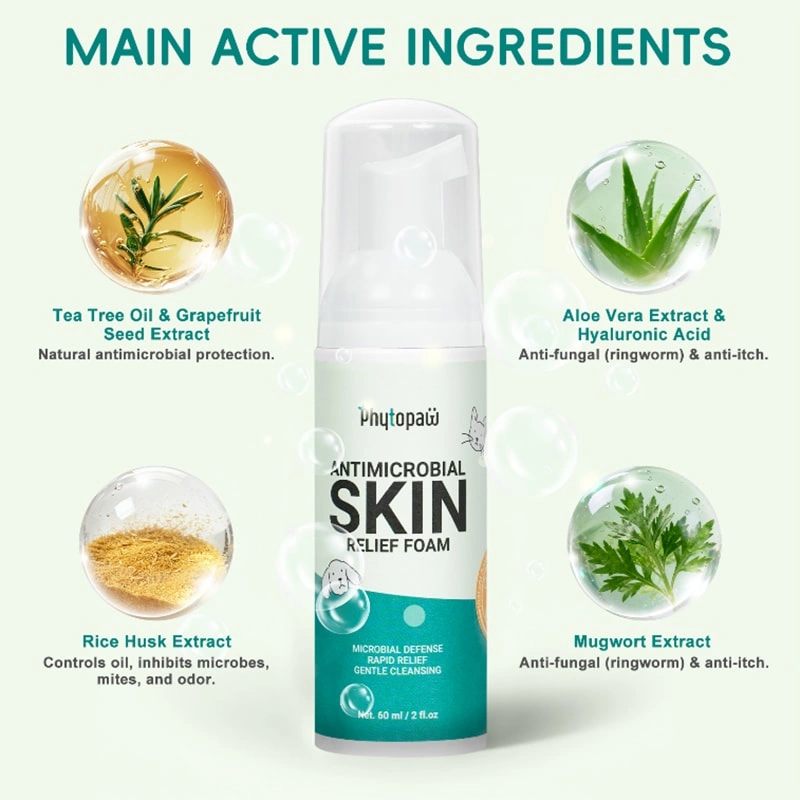
Antioxidant and Skin-Environment Support
Rice Husk Extract
Helps protect the skin from oxidative stress while supporting a cleaner and more balanced surface environment.
Gentle Surface Purification
Grapefruit Seed Extract and Mild Plant-Based Cleansers
Help remove dirt, excess oil, and environmental residue without relying on aggressive cleansing agents.
Comfort for Red, Sensitive Skin
Mugwort Extract, Allantoin, and Dipotassium Glycyrrhizate
Help calm visible redness, itching, and discomfort associated with sensitive or repeatedly irritated skin.
Hydration and Barrier Protection
Aloe Vera Extract and Sodium Hyaluronate
Restore moisture, reduce dryness, and help prevent the tight feeling that can follow cleansing.
Together, these ingredients create a gentle botanical pet skin care system that cleanses, comforts, and protects at the same time.
Rather than attempting to sterilize the skin, the formula is designed to reduce unwanted buildup while preserving the moisture and balance needed for normal skin recovery.
How to Use Antimicrobial Skin Relief Foam
1. Gently clean and dry the affected area before application.
2. Apply the foam evenly to the problem-prone skin.
3. Avoid direct contact with the eyes, mouth, nose, and inner ear.
4. Allow the product to dry naturally.
5. Use two to three times daily or as directed by your veterinarian.
6. Prevent licking for approximately 10–15 minutes when possible.
For external use only. Do not apply to deep wounds, actively bleeding areas, or severe infections without veterinary guidance. Consult a veterinarian when redness, hair loss, discharge, odor, swelling, or discomfort persists or becomes worse.
Rice Husk is more than a protective shell around a grain. Its phenolic compounds provide antioxidant support, while emerging research suggests potential benefits for microbial balance and protection against environmental skin stress.
For pets, its strength lies in its gentleness. Rice Husk Extract does not need to strip, sting, or aggressively suppress the skin to be useful. Instead, it supports cleaner, calmer, and more resilient skin as part of a carefully balanced topical formula.
When incorporated into PhytoPaw Antimicrobial Skin Relief Foam, Rice Husk becomes a gentle nourisher for pet skin—helping manage residue and oxidative stress while soothing and hydrating ingredients restore everyday comfort.
References
Burlacchini, G., Sandri, A., Papetti, A., Frosi, I., Boschi, F., Lleo, M. M., & Signoretto, C. (2024). Evaluation of antibacterial and antibiofilm activity of Rice Husk Extract against Staphylococcus aureus. Pathogens, 13(1), 80. doi:10.3390/pathogens13010080
Linsaenkart, P., Ruksiriwanich, W., Muangsanguan, A., et al. (2024). Antioxidant, anti-inflammation, and melanogenesis inhibition of Sang 5 CMU rice (Oryza sativa) byproduct for cosmetic applications. Plants, 13(13), 1795. doi:10.3390/plants13131795
Linsaenkart, P., Ruksiriwanich, W., Jantrawut, P., et al. (2023). Natural melanogenesis inhibitor, antioxidant, and collagen biosynthesis stimulator of phytochemicals in rice bran and husk extracts from purple glutinous rice for cosmetic application. Plants, 12(4), 970. doi:10.3390/plants12040970
Minh, T. N., Xuan, T. D., Ahmad, A., Elzaawely, A. A., Teschke, R., & Van, T. M. (2018). Efficacy from different extractions for chemical profile and biological activities of rice husk. Sustainability, 10(5), 1356. doi:10.3390/su10051356
Zamil, D. H., Khan, R. M., Braun, T. L., & Nawas, Z. Y. (2022). Dermatological uses of rice products: Trend or true? Journal of Cosmetic Dermatology, 21(11), 6056–6060. doi:10.1111/jocd.15099

Juniper Berry (Juniperus communis) has long been recognized for its crisp, resinous aroma and its traditional role as a purifying botanical. Although commonly called a “berry,” the usable part of juniper is actually a berry-like cone from an evergreen conifer. In botanical pet care, this ingredient is valued for its fresh scent, antioxidant profile, and ability to support a cleaner, more balanced skin environment.
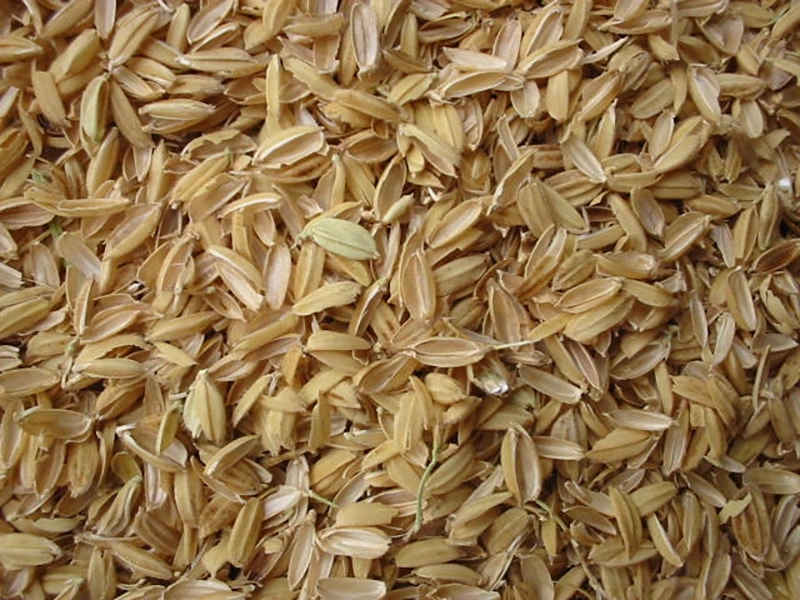
Rice Husk (Oryza sativa) is the protective outer layer surrounding each grain of rice. Although traditionally treated as an agricultural by-product, modern research has revealed that rice husk contains valuable phenolic compounds, antioxidants, and other plant-derived components that may support healthier skin.
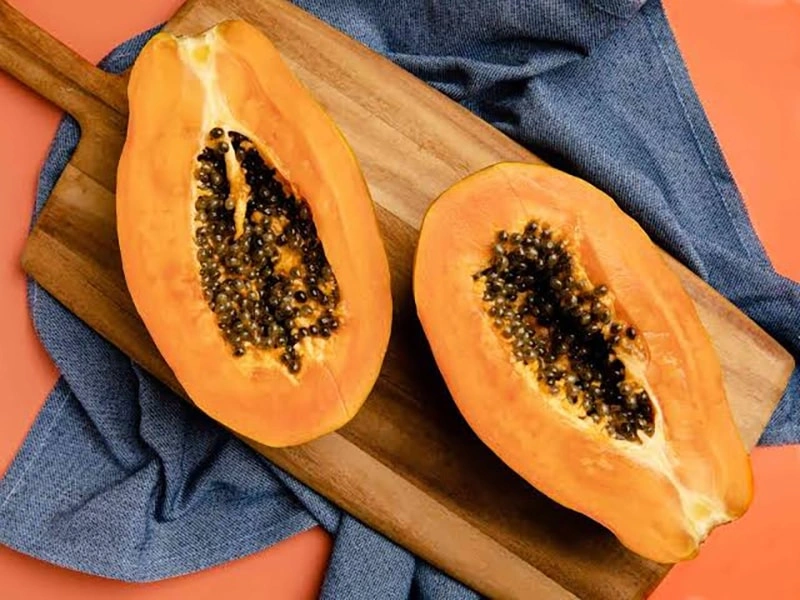
Papaya (Carica papaya) is widely recognized for its tropical sweetness, but its most valuable contribution to pet care comes from a natural proteolytic enzyme called papain. This enzyme breaks larger proteins into smaller fragments, giving papaya-derived ingredients a unique role in gentle, enzyme-based cleansing.

Grapefruit (Citrus paradisi) is a bright citrus botanical known for its fresh aroma, antioxidant activity, and natural purifying properties. In pet care, it is especially relevant for formulas designed to support coat freshness, skin surface hygiene, and gentle daily cleansing.
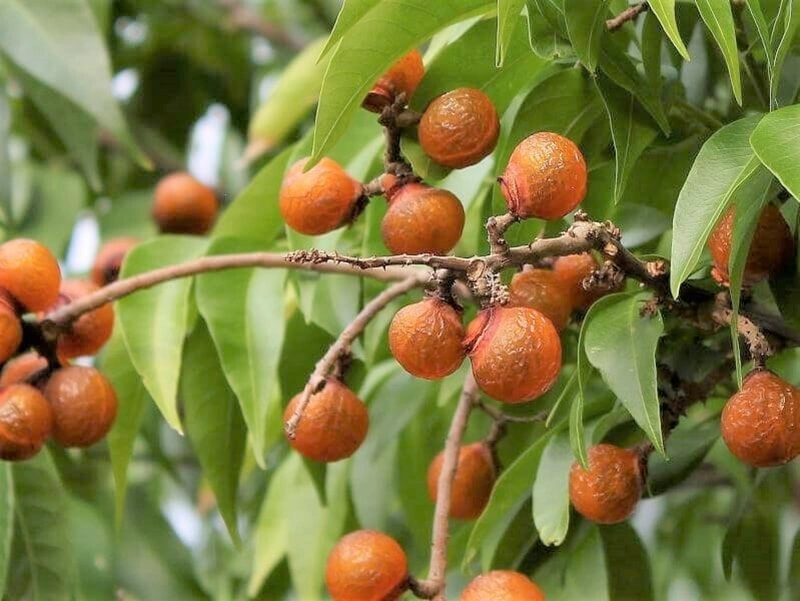
Soapnut (Sapindus mukorossi) is a traditional plant-derived cleanser valued for its naturally occurring saponins—surface-active compounds that create mild foam and help remove oil, debris, and environmental residue. Unlike many harsh synthetic cleansing agents, Soapnut offers a plant-based approach to hygiene that is gentle, biodegradable, and suitable for daily care concepts.
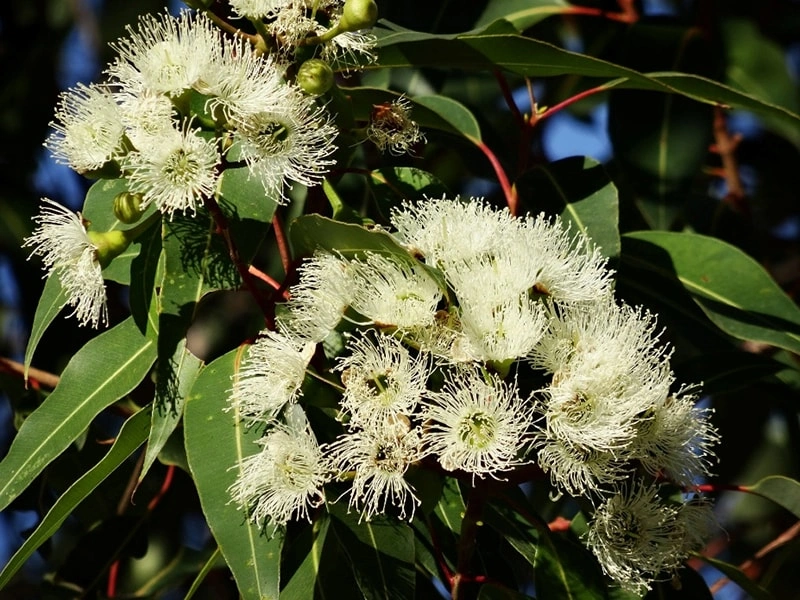
Lemon Eucalyptus (Corymbia citriodora, formerly Eucalyptus citriodora) is an aromatic botanical known for its bright lemon-like scent, refreshing profile, and protective properties. In modern pet care, it is especially valued for outdoor routines, where pets are exposed to grass, dust, humidity, environmental debris, and unwanted insects.
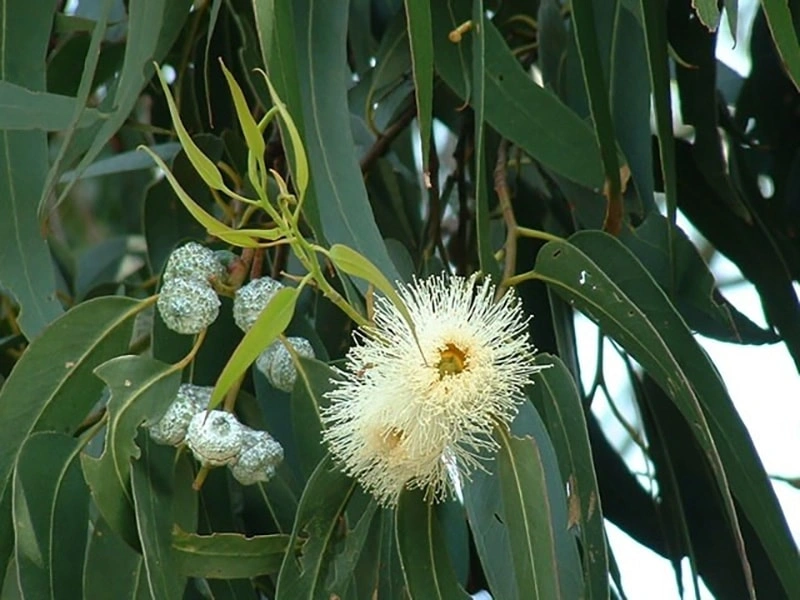
Blue Gum Eucalyptus (Eucalyptus globulus) is one of the most recognizable botanicals in natural wellness, known for its crisp, clean aroma and protective character. In pet care, it is valued not simply as a refreshing scent, but as a botanical ingredient that helps support skin cleanliness, coat freshness, and environmental comfort.
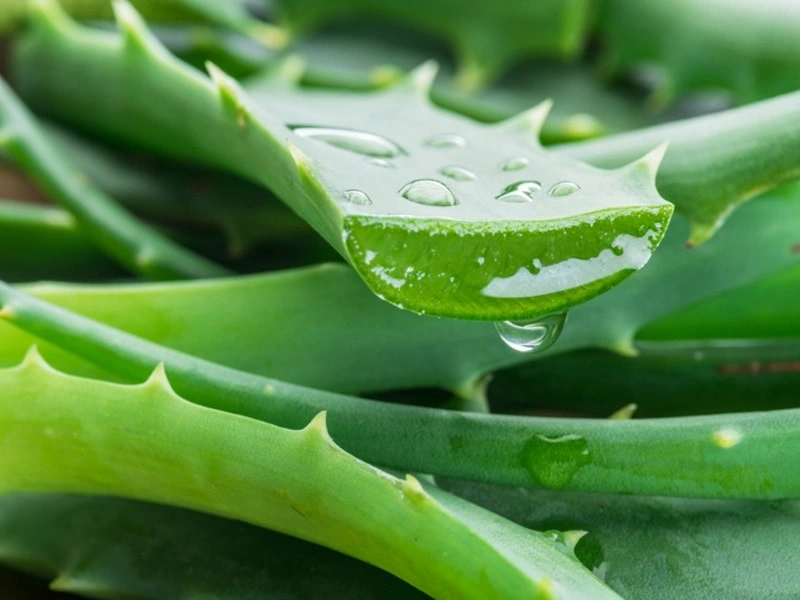
Aloe Vera (Aloe barbadensis miller) is one of the most widely recognized botanicals in both human and animal care—and for good reason. Known for its exceptional soothing, hydrating, and barrier-supporting properties, Aloe Vera plays a versatile role across multiple pet care categories, from skin and eye care to oral hygiene and daily cleansing.
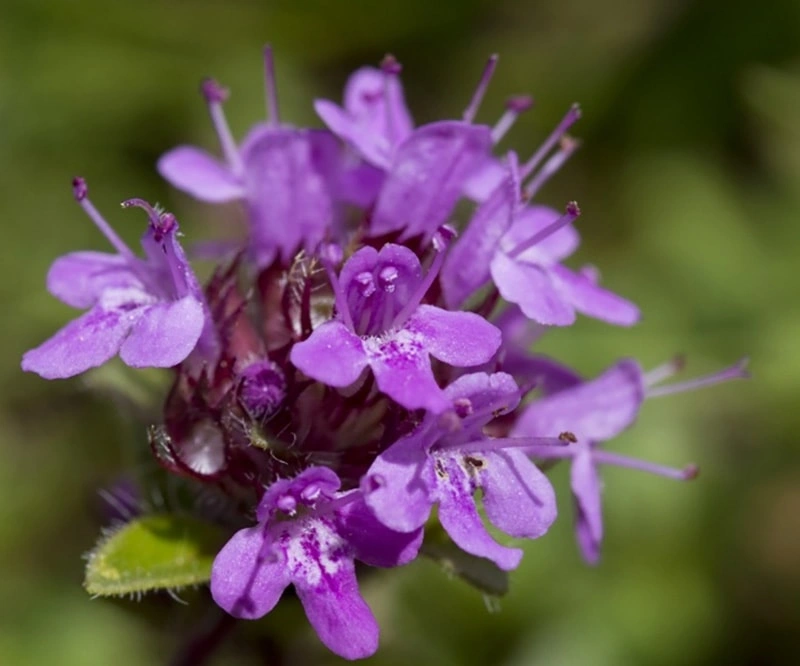
Discover how Wild Thyme supports pet skin freshness, surface balance, and everyday outdoor comfort. Learn why this cleansing botanical fits naturally into gentle daily pet care routines.

Discover how Litsea Cubeba supports coat freshness, surface cleanliness, and outdoor comfort for pets. Learn why this uplifting botanical fits naturally into gentle daily pet care routines.
Copyright © 2026 by Phytopaw Pet Health Limited All Rights Reserved