Some pet skin days feel “hot” rather than “dirty.”
Warm paws after a walk. A restless itch that shows up at night. A pet that keeps licking the same spot—not because the skin is clearly infected, but because it feels uncomfortable.
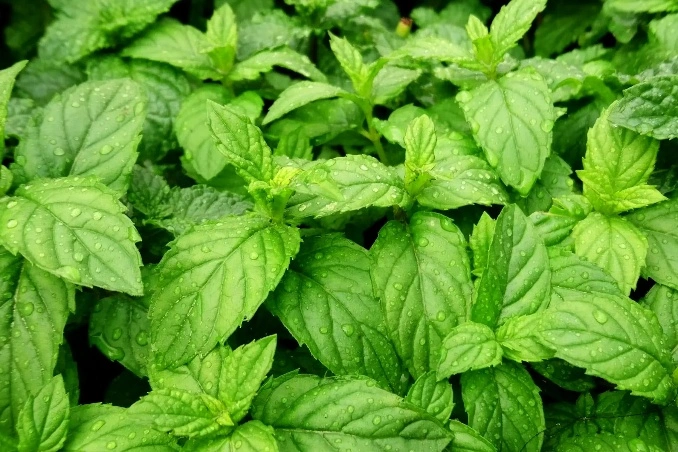
That’s the space where peppermint (Mentha × piperita) is often discussed: not as a harsh fix, but as a cooling, refreshing support. The signature compound most people recognize is menthol, which triggers a cooling sensation through cold-sensing pathways (TRPM8) that are also studied in itch modulation.
But peppermint also comes with a hard boundary in pet homes: peppermint essential oil is concentrated—and concentrated essential oils can be dangerous for pets, especially cats.
Peppermint is a mint-family herb, best known for its volatile oils. In topical research, peppermint oil and menthol are typically discussed for:
· Cooling sensation via TRPM8
· Short-term comfort in itch-prone skin contexts
This is why peppermint is common in “fresh” topical products—but with pets, how it’s delivered matters more than the plant’s reputation.
Cooling isn’t just a scent. It’s a sensory signal. Dermatology research describes how cooling (and menthol) can suppress itch behaviors through TRPM8-dependent mechanisms.
And in clinical human data, a study on topical peppermint oil reported improvement in chronic pruritus symptoms compared with a control (petrolatum).
This doesn’t translate into “peppermint treats pet skin disease.” What it does support is the comfort logic: cooling botanicals can help the itch-feel settle—especially when paired with gentle, consistent baseline care.
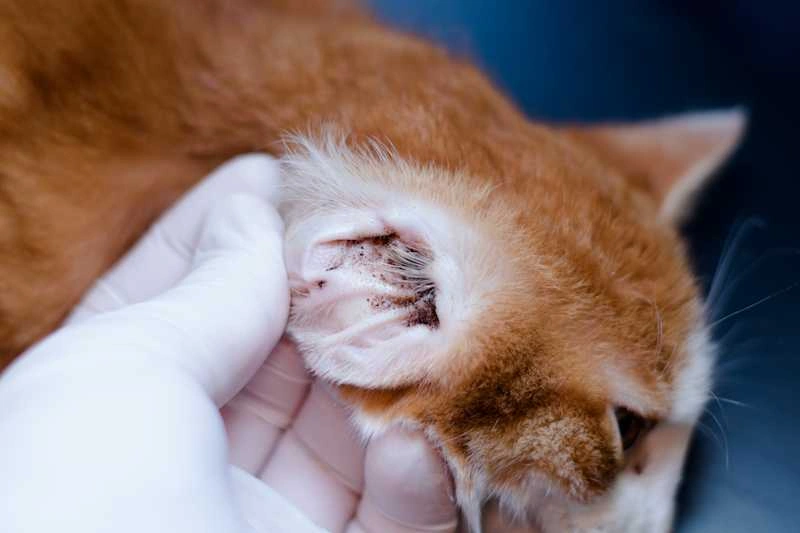
Peppermint is often loved for its “cooling, refreshing” comfort logic—but in pet care, comfort needs to be practical and controlled, especially around sensitive areas like the ear canal. That’s why, instead of DIY essential oils, we use a structured routine approach with Ear Fresh Kit—a two-step kit designed to help ears feel cleaner, calmer, and less “restless,” supporting a steady baseline for sensitive skin dogs and cats.
Product advantages
· Two-step routine = cleaner baseline + calmer feel
One step helps loosen and distribute solution inside the ear canal, the other step helps gently remove residue and buildup—supporting daily stability rather than harsh “over-cleaning.” This is the daily-routine mindset behind botanical pet skin care and science backed herbal pet care.
· Targeted ear comfort, not random DIY
Ear care is a high-risk area for DIY oils. Ear Fresh Kit is built to be repeatable and controlled—better aligned with gentle daily skin care for pets (and daily comfort routines in general).
· Routine consistency that supports long-term balance
Many ear issues get worse when care is occasional and reactive. A consistent, gentle routine supports the “steady baseline” philosophy of immune balanced pet care.
Indications / best-fit scenarios (ear-focused)
Ear Fresh Kit is best suited for pets who have:
· Itchy ears / frequent scratching
· Head shaking or ear discomfort after outdoor exposure
· Visible ear wax / buildup that needs routine cleaning
· Mild recurring ear odor that improves with regular hygiene
· Ear sensitivity cycles (comfort maintenance, not aggressive intervention)
If there is strong pain, swelling, bleeding, heavy discharge, severe odor, fever, or symptoms rapidly worsen, this is beyond daily care—seek veterinary evaluation.
How to use (from your instruction)
Step 1 — Disposable ear drops (single-use):
· Shake and open one single-use dropper.
· Apply 3–5 drops into each ear canal.
· Massage the base of the ear to help distribute.
· Let your pet naturally shake their head.
Step 2 — Ear Essence Cotton Swab:
· Take the swab from the colored-ring end.
· Snap at the colored ring to break the seal.
· Wait until the liquid flows into the cotton tip (about half), then use the moistened tip to gently clean the outer ear and visible areas (do not push deep).
Peppermint is a “small dose, big boundary” plant.
· ASPCA lists mint (Mentha sp.) as toxic to dogs and cats, with toxic principles: essential oils, and notes GI signs with large ingestions.
· ASPCA also cautions that 100% concentrated essential oils can be dangerous when pets walk through them, get them on the coat, or have oils placed directly on them.
· Pet Poison Helpline specifically lists peppermint oil among essential oils known to cause poisoning in cats, and explains why cats are more vulnerable to essential oils (absorption + metabolism limitations).
· VCA advises prevention (keep oils out of reach) and: never apply a concentrated essential oil on your pet.
References
1. Elsaie LT, et al. Effectiveness of topical peppermint oil on symptomatic treatment of chronic pruritus. (Clinical study; topical peppermint oil vs control).
2. Liu B. Cooling the Itch via TRPM8. J Invest Dermatol (2018).
3. Li Z, et al. The distinctive role of menthol… Frontiers in Molecular Neuroscience (2022).
4. ASPCA. Mint (Mentha sp.) — Toxic Principles: Essential Oils.
5. ASPCA. The Essentials of Essential Oils Around Pets.
6. Pet Poison Helpline. Essential Oils and Cats (lists peppermint oil; explains feline risk).
7. VCA Animal Hospitals. Essential oil and liquid potpourri poisoning in dogs (avoid concentrated oils; prevention).
Juniper Berry (Juniperus communis) has long been recognized for its crisp, resinous aroma and its traditional role as a purifying botanical. Although commonly called a “berry,” the usable part of juniper is actually a berry-like cone from an evergreen conifer. In botanical pet care, this ingredient is valued for its fresh scent, antioxidant profile, and ability to support a cleaner, more balanced skin environment.
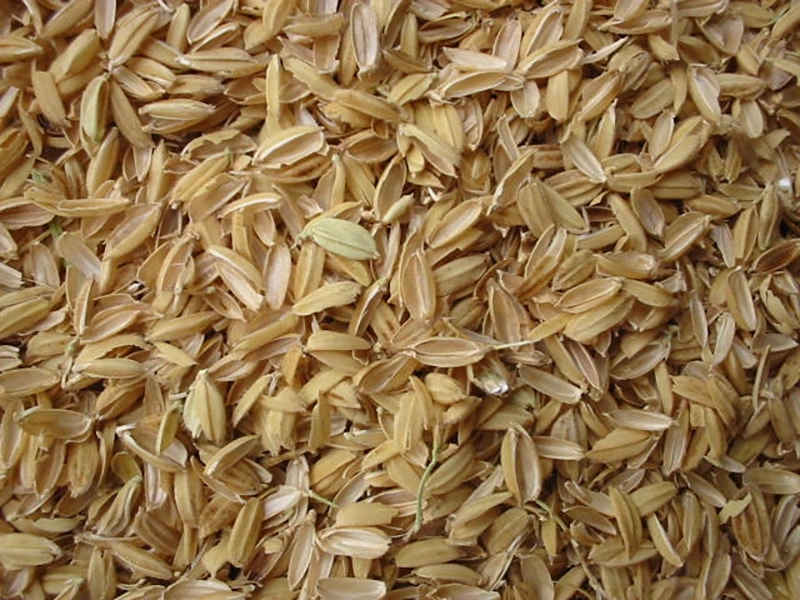
Rice Husk (Oryza sativa) is the protective outer layer surrounding each grain of rice. Although traditionally treated as an agricultural by-product, modern research has revealed that rice husk contains valuable phenolic compounds, antioxidants, and other plant-derived components that may support healthier skin.
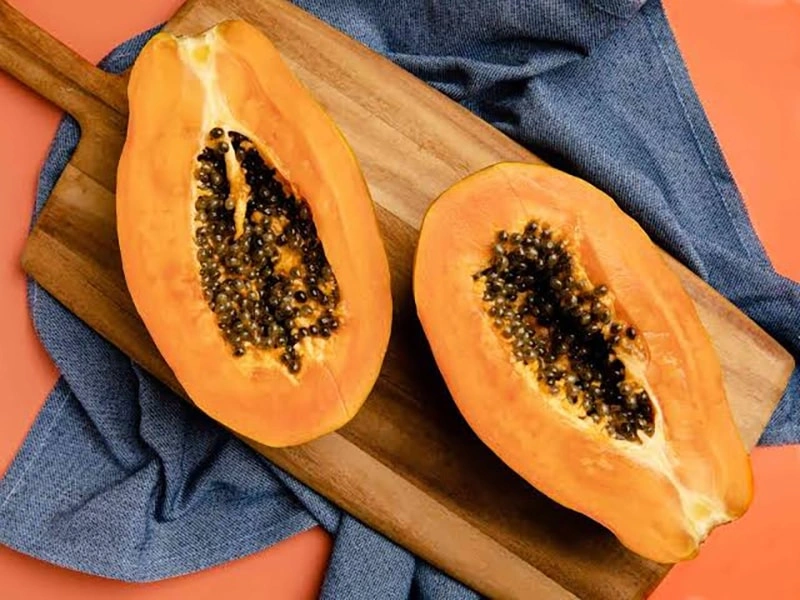
Papaya (Carica papaya) is widely recognized for its tropical sweetness, but its most valuable contribution to pet care comes from a natural proteolytic enzyme called papain. This enzyme breaks larger proteins into smaller fragments, giving papaya-derived ingredients a unique role in gentle, enzyme-based cleansing.

Grapefruit (Citrus paradisi) is a bright citrus botanical known for its fresh aroma, antioxidant activity, and natural purifying properties. In pet care, it is especially relevant for formulas designed to support coat freshness, skin surface hygiene, and gentle daily cleansing.

Soapnut (Sapindus mukorossi) is a traditional plant-derived cleanser valued for its naturally occurring saponins—surface-active compounds that create mild foam and help remove oil, debris, and environmental residue. Unlike many harsh synthetic cleansing agents, Soapnut offers a plant-based approach to hygiene that is gentle, biodegradable, and suitable for daily care concepts.
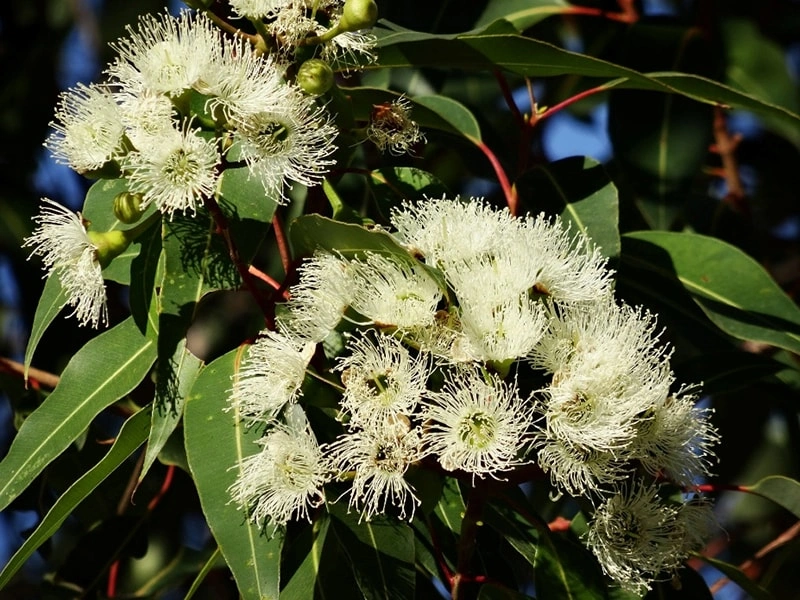
Lemon Eucalyptus (Corymbia citriodora, formerly Eucalyptus citriodora) is an aromatic botanical known for its bright lemon-like scent, refreshing profile, and protective properties. In modern pet care, it is especially valued for outdoor routines, where pets are exposed to grass, dust, humidity, environmental debris, and unwanted insects.
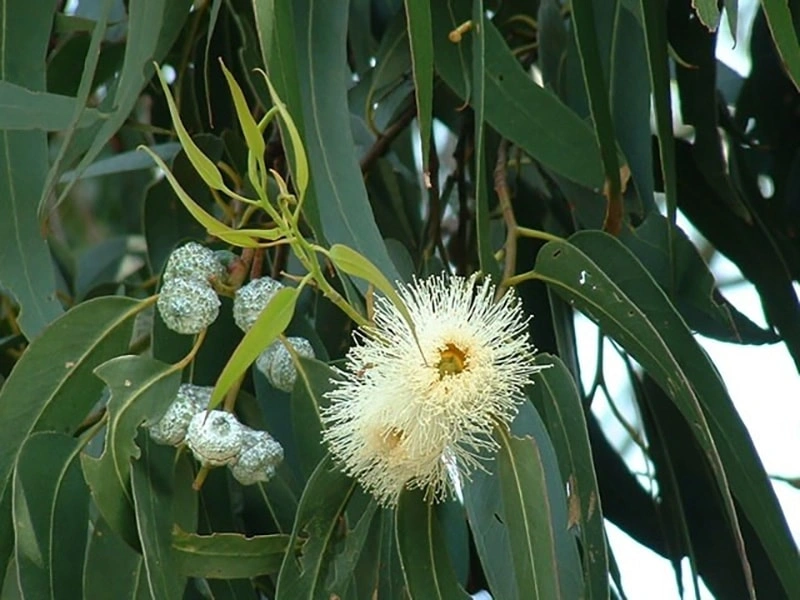
Blue Gum Eucalyptus (Eucalyptus globulus) is one of the most recognizable botanicals in natural wellness, known for its crisp, clean aroma and protective character. In pet care, it is valued not simply as a refreshing scent, but as a botanical ingredient that helps support skin cleanliness, coat freshness, and environmental comfort.
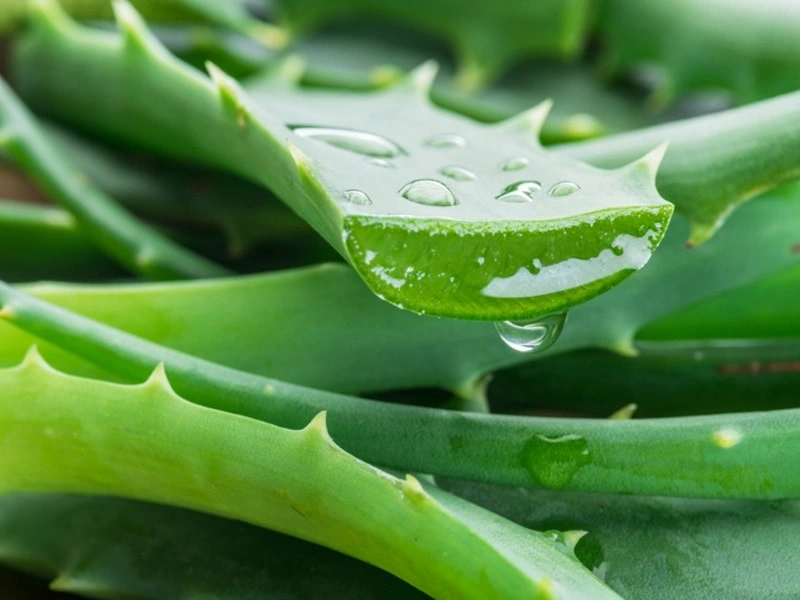
Aloe Vera (Aloe barbadensis miller) is one of the most widely recognized botanicals in both human and animal care—and for good reason. Known for its exceptional soothing, hydrating, and barrier-supporting properties, Aloe Vera plays a versatile role across multiple pet care categories, from skin and eye care to oral hygiene and daily cleansing.
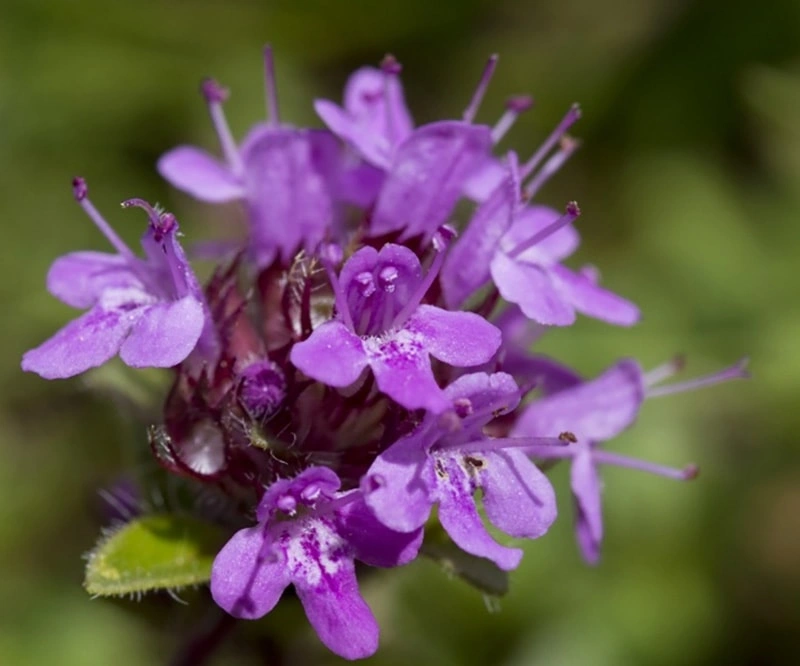
Discover how Wild Thyme supports pet skin freshness, surface balance, and everyday outdoor comfort. Learn why this cleansing botanical fits naturally into gentle daily pet care routines.

Discover how Litsea Cubeba supports coat freshness, surface cleanliness, and outdoor comfort for pets. Learn why this uplifting botanical fits naturally into gentle daily pet care routines.
Copyright © 2026 by Phytopaw Pet Health Limited All Rights Reserved