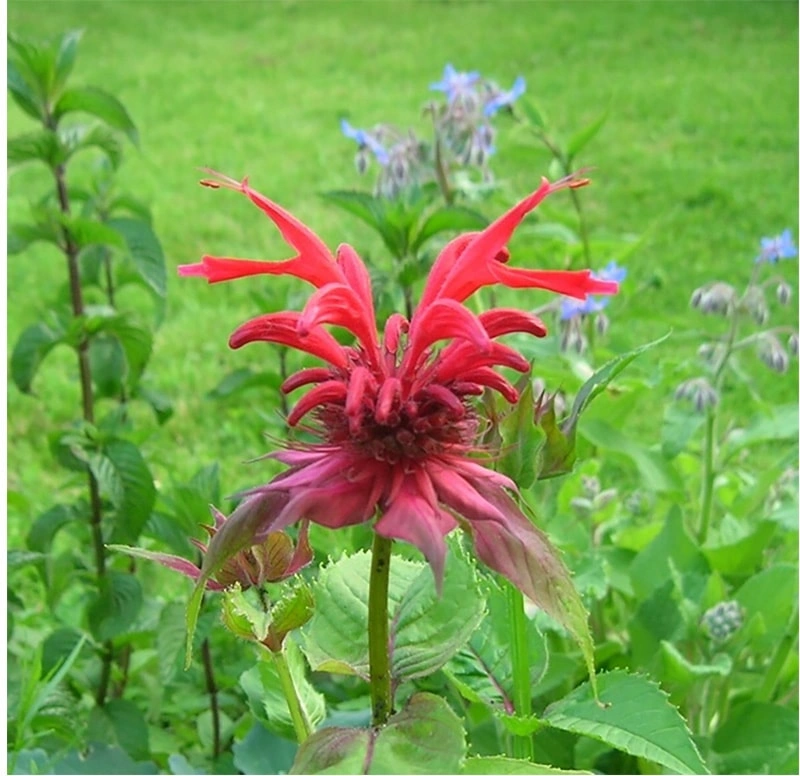
Some skin days aren’t dramatic. They’re just easily tipped: a warm patch after a walk, mild redness that comes and goes, a “can’t-stop-licking” moment that seems to appear out of nowhere. For pets like this, the goal usually isn’t to “do more.” It’s to do less—but more consistently.
Lemon Balm (Melissa officinalis) is one of those quiet plants that fits sensitive routines beautifully. It’s widely studied for polyphenols—especially rosmarinic acid—that show antioxidant and inflammation-modulating activity in lab and review literature.
In practical terms, that’s why lemon balm is often chosen when we want skin to feel refreshed, steadier, and less reactive over time.
And importantly for pet households: ASPCA lists lemon balm as non-toxic to dogs and cats (as a plant).
Lemon balm is a mint-family herb with a soft citrus aroma. In human topical research, it’s been explored for skin-comfort contexts largely because of:
· Rosmarinic acid (a signature compound)
· broader polyphenol fractions that help buffer oxidative stress in skin models
This matters because “reactive skin” is often a stress-skin loop: tiny triggers (heat, friction, pollen, frequent bathing) → discomfort → licking/scratching → more irritation.

1) It’s studied in UVB / oxidative-stress skin models
A 2016 Journal of Dermatological Science study evaluated lemon balm extract and rosmarinic acid in human keratinocytes and reported protective effects against UVB-induced oxidative stress and DNA damage.
You don’t need to translate that into a medical promise for pets. The useful takeaway is simpler: lemon balm is a botanical with research-aligned logic for supporting a calmer baseline when skin is under repeated stress.
2) Rosmarinic acid is a “calm-signal” compound in the literature
Reviews summarize rosmarinic acid’s anti-inflammatory and antioxidant pathways across different models.
In routine-care language, that supports why lemon balm works best as a steady, gentle helper—not a harsh “reset.”
3) It fits routines where consistency is the real differentiator
Sensitive pets usually don’t thrive on “stronger and stronger” care. They do better with a repeatable routine that doesn’t strip. That’s why lemon balm pairs naturally with a gentle daily skin care for pets philosophy.
Lemon balm is most useful when it’s part of a comfort routine—not a DIY project. That’s why we place lemon balm into ImmuneBalance Skin Spray as a daily “balancer” step, designed for sensitive skin dogs and cats and the long-game approach of immune balanced pet care.
Product advantages (why this feels different in a routine)
· Refreshes without over-cleansing
Lemon balm supports that “cooler, steadier” feel without pushing the routine toward harsh stripping—core to botanical pet skin care.
· Leave-on format that makes consistency easy
A spray is the kind of step pet parents actually keep doing. And in science backed herbal pet care, consistency is often the most underrated “active ingredient.”
· Designed for daily use, not occasional rescue
This is the “baseline care” side of gentle daily skin care for pets—supporting comfort today and fewer swings tomorrow.
· Spray evenly from 20 cm away onto the skin.
· Gently massage until absorbed to form a long-lasting protective film.
· Use 2–3 times per day.
· Lemon balm as a plant is listed as non-toxic to dogs and cats by ASPCA.
· Still, any topical routine should be external use only, avoid eyes/mouth, and do a small patch test first—especially for cats.
And one clear line: if the skins looks infected or severely inflamed, don’t “routine” your way through it—get professional help.
References
· Pérez-Sánchez A, et al. Lemon balm extract (Melissa officinalis, L.) promotes melanogenesis and prevents UVB-induced oxidative stress and DNA damage in a skin cell model. J Dermatol Sci (2016). doi:10.1016/j.jdermsci.2016.08.004.
· Guan H, et al. A Comprehensive Review of Rosmarinic Acid: From Phytochemistry to Pharmacology and Its New Insight. Molecules (2022). doi:10.3390/molecules27103292.

Juniper Berry (Juniperus communis) has long been recognized for its crisp, resinous aroma and its traditional role as a purifying botanical. Although commonly called a “berry,” the usable part of juniper is actually a berry-like cone from an evergreen conifer. In botanical pet care, this ingredient is valued for its fresh scent, antioxidant profile, and ability to support a cleaner, more balanced skin environment.
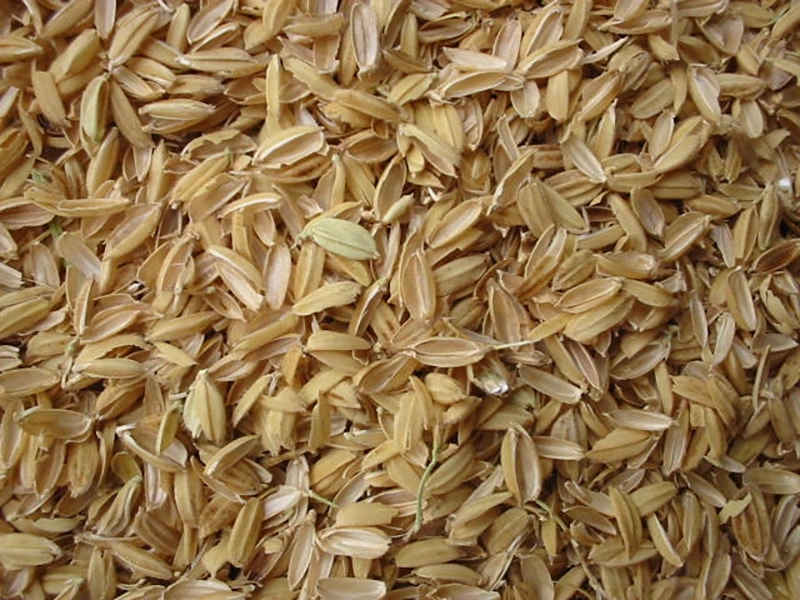
Rice Husk (Oryza sativa) is the protective outer layer surrounding each grain of rice. Although traditionally treated as an agricultural by-product, modern research has revealed that rice husk contains valuable phenolic compounds, antioxidants, and other plant-derived components that may support healthier skin.
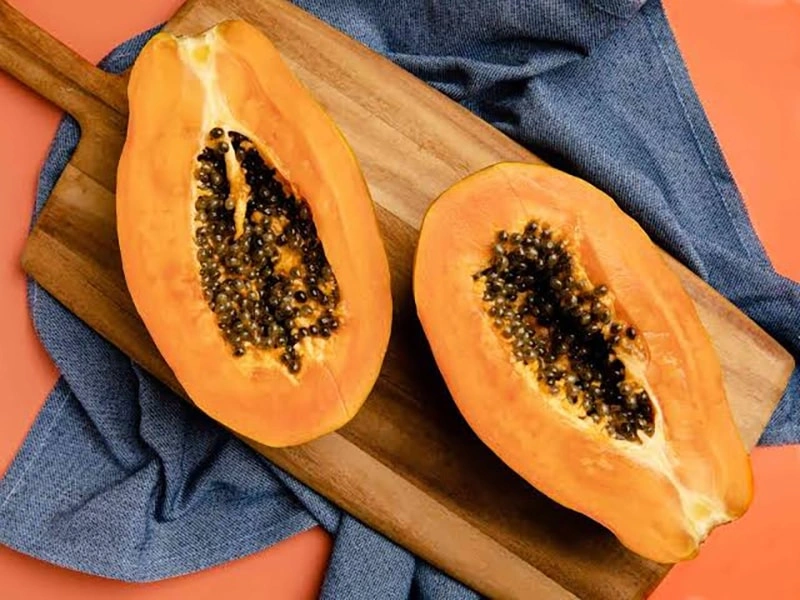
Papaya (Carica papaya) is widely recognized for its tropical sweetness, but its most valuable contribution to pet care comes from a natural proteolytic enzyme called papain. This enzyme breaks larger proteins into smaller fragments, giving papaya-derived ingredients a unique role in gentle, enzyme-based cleansing.

Grapefruit (Citrus paradisi) is a bright citrus botanical known for its fresh aroma, antioxidant activity, and natural purifying properties. In pet care, it is especially relevant for formulas designed to support coat freshness, skin surface hygiene, and gentle daily cleansing.
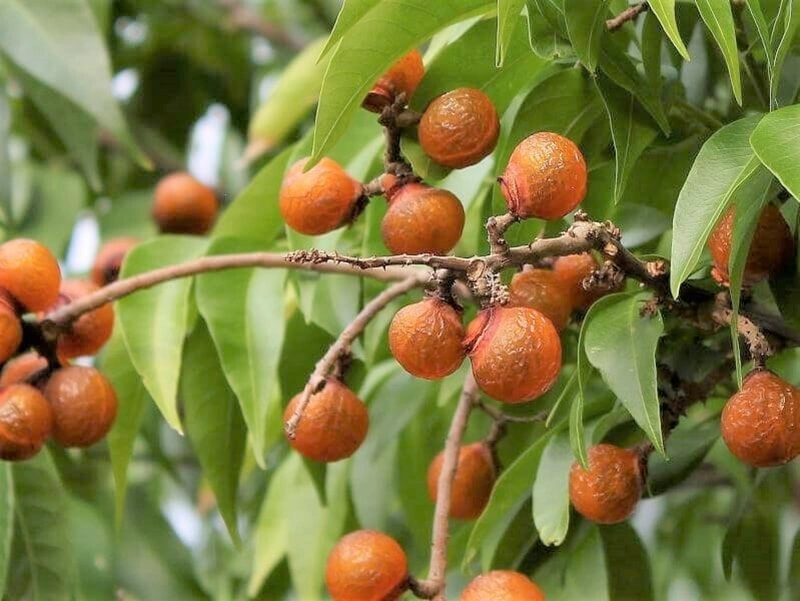
Soapnut (Sapindus mukorossi) is a traditional plant-derived cleanser valued for its naturally occurring saponins—surface-active compounds that create mild foam and help remove oil, debris, and environmental residue. Unlike many harsh synthetic cleansing agents, Soapnut offers a plant-based approach to hygiene that is gentle, biodegradable, and suitable for daily care concepts.
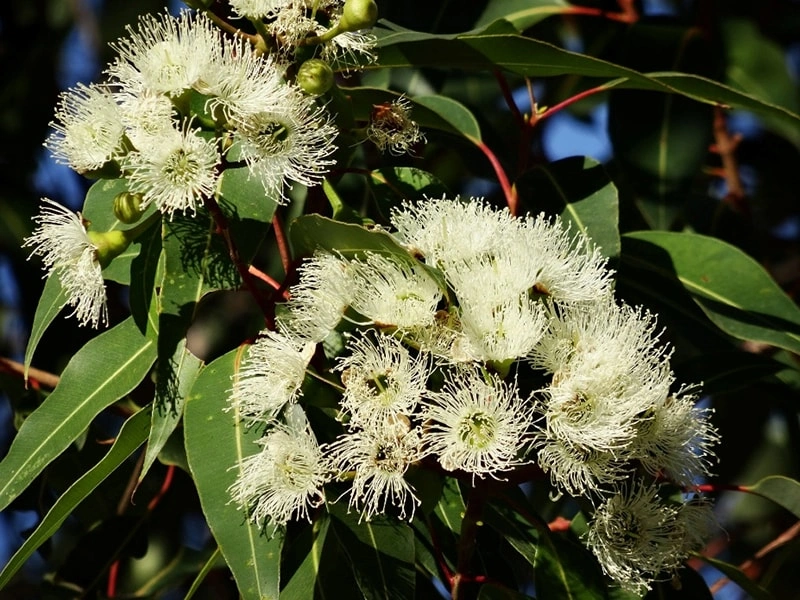
Lemon Eucalyptus (Corymbia citriodora, formerly Eucalyptus citriodora) is an aromatic botanical known for its bright lemon-like scent, refreshing profile, and protective properties. In modern pet care, it is especially valued for outdoor routines, where pets are exposed to grass, dust, humidity, environmental debris, and unwanted insects.
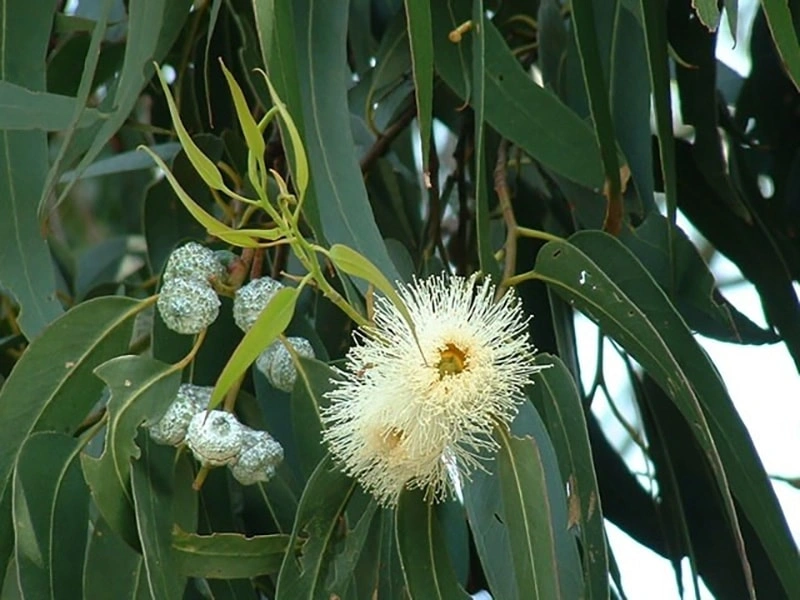
Blue Gum Eucalyptus (Eucalyptus globulus) is one of the most recognizable botanicals in natural wellness, known for its crisp, clean aroma and protective character. In pet care, it is valued not simply as a refreshing scent, but as a botanical ingredient that helps support skin cleanliness, coat freshness, and environmental comfort.
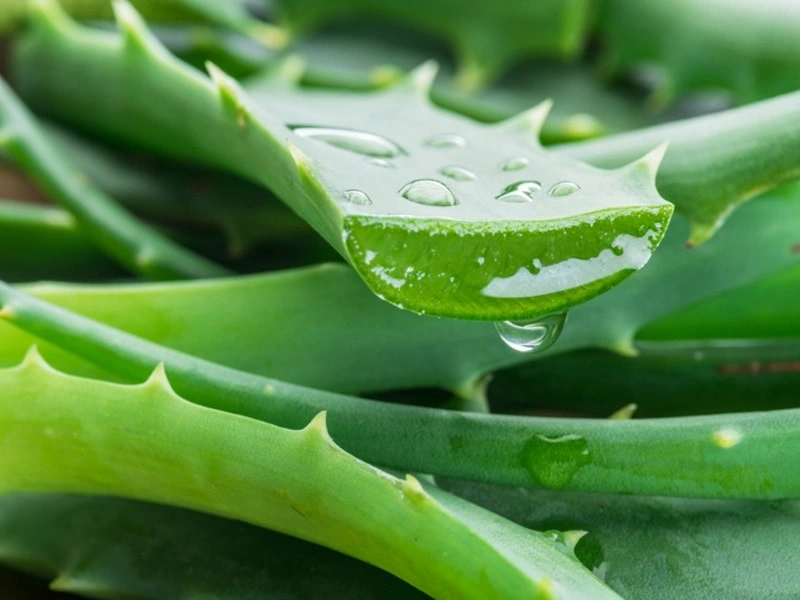
Aloe Vera (Aloe barbadensis miller) is one of the most widely recognized botanicals in both human and animal care—and for good reason. Known for its exceptional soothing, hydrating, and barrier-supporting properties, Aloe Vera plays a versatile role across multiple pet care categories, from skin and eye care to oral hygiene and daily cleansing.
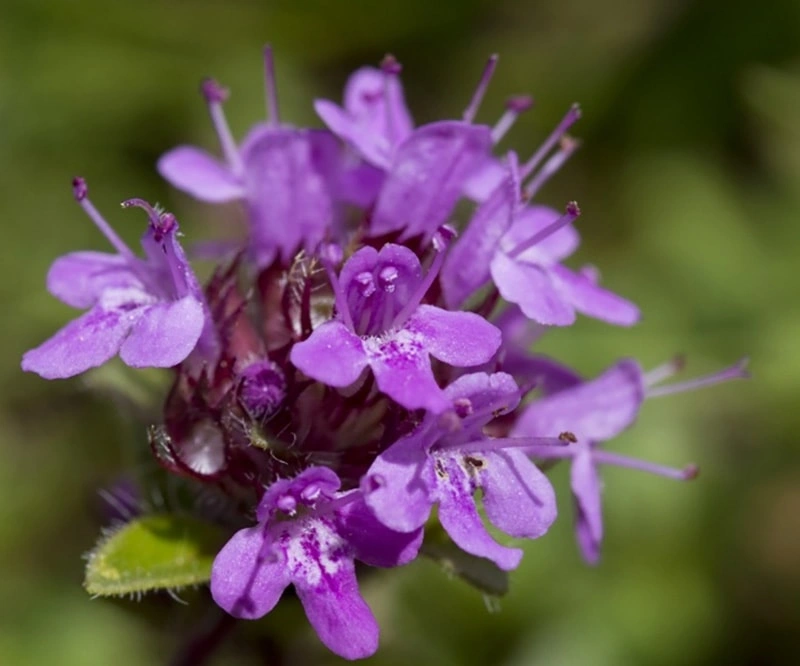
Discover how Wild Thyme supports pet skin freshness, surface balance, and everyday outdoor comfort. Learn why this cleansing botanical fits naturally into gentle daily pet care routines.

Discover how Litsea Cubeba supports coat freshness, surface cleanliness, and outdoor comfort for pets. Learn why this uplifting botanical fits naturally into gentle daily pet care routines.
Copyright © 2026 by Phytopaw Pet Health Limited All Rights Reserved