Some pet skin flare-ups don’t start with a “big problem.” They start with a small heat signal: warm, irritated paws after a walk, a sudden patch of redness in dry indoor air, or that restless itch that escalates at night. In these moments, what sensitive skin often needs is not a harsher cleanse—but a calmer baseline.
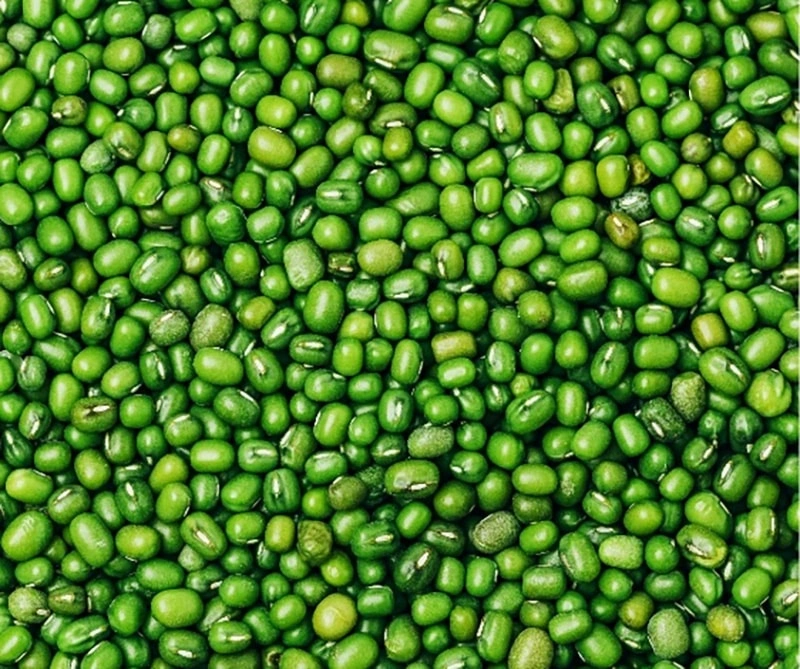
Mung Bean (Vigna radiata) is often described as “cooling” in traditional use, and modern research helps explain why: its seed coat and sprouts contain flavonoids such as vitexin and isovitexin, plus polyphenols that support antioxidant and inflammation-modulating activity.
Mung bean is a small green legume valued both as food and for its functional bioactives. In skin-focused applications, research highlights several compound groups:
Key bioactive components include:
· Flavonoids (vitexin, isovitexin)
Commonly linked to antioxidant and inflammation-related pathway support in experimental models.
· Polyphenols (overall fraction)
Support the skin’s ability to manage oxidative stress that often accompanies repetitive irritation.
· Seed coat–derived extracts
Frequently studied because the coat concentrates certain phenolics that contribute to calming, supportive activity.
1) Cooling comfort for “warm, reactive” skin moments
When skin feels hot, looks flushed, or becomes itch-prone after environmental triggers, mung bean’s flavonoid-rich profile aligns well with a “cool-down and settle” approach.
2) Antioxidant buffering for skin that flares repeatedly
Recurring irritation can amplify oxidative stress, which makes skin feel more reactive over time. Reviews on mung bean emphasize polyphenols and antioxidant capacity as a major functional strength.
3) Supportive calming for itch-prone sensitivity patterns
Research on mung bean sprouts has explored anti-allergic–related activity in experimental settings, which helps explain why mung bean is often chosen for soothing, sensitivity-friendly routines (without claiming it “treats allergies”).
Mung bean works best when it supports a comfort routine, not when it becomes a DIY “treatment.” That’s why Mung Bean Seed Extract is included in ImmuneBalance Skin Spray—a lightweight, leave-on step designed to help reactive skin feel calmer without over-stripping.
This fits three everyday priorities:
· botanical pet skin care: gentle plant-based support as part of a repeatable routine
· science backed herbal pet care: ingredient selection aligned with modern evidence on antioxidant / soothing pathways
· gentle daily skin care for pets: high-frequency use that aims to keep the baseline steady rather than “fight” the skin
How to apply (product instruction):
· Spray evenly from about 20 cm away.
· Gently massage until absorbed, helping form a long-lasting protective film.
· Use 2–3 times daily as needed.
Safety notes (product-focused):
· External use only; avoid eyes, mouth, and nose.
· First-time use: test a small area and observe (extra important for cats).
· If there is persistent redness, broken/oozing skin, strong odor, or suspected infection, seek veterinary care.
Mung bean is not about “doing more.” It’s about helping skin feel less reactive—especially when the trigger is heat, environment, or recurring sensitivity. In a leave-on format like ImmuneBalance Skin Spray, mung bean becomes a practical step you can repeat daily, building a calmer baseline over time.
Reference
1. Hou, D. et al. Mung Bean (Vigna radiata L.): Bioactive Polyphenols, Polysaccharides, Peptides, and Health Benefits. Nutrients (2019). doi: 10.3390/nu11061238
2. Sae-tan, S. et al. Mungbean seed coat water extract inhibits inflammation… via the inhibition of TAK1/IκBα/NF-κB. J Food Sci Technol (2020). doi: 10.1007/s13197-020-04302-y
3. Li, L. et al. Anti-allergic effects and related active constituents of mung bean sprouts. Food Sci Biotechnol (2016). doi: 10.1007/s10068-016-0077-8
4. Zhang, X. et al. Chemical composition and antioxidative and anti-inflammatory properties of ten commercial mung bean samples. LWT – Food Science and Technology (2013). doi: 10.1016/j.lwt.2013.05.034
5. Ali, N.M. et al. Anti-Inflammatory and Antinociceptive Activities of Untreated… (mentions vitexin/isovitexin from mung bean coat). Evidence-Based Complementary and Alternative Medicine (2014).
Juniper Berry (Juniperus communis) has long been recognized for its crisp, resinous aroma and its traditional role as a purifying botanical. Although commonly called a “berry,” the usable part of juniper is actually a berry-like cone from an evergreen conifer. In botanical pet care, this ingredient is valued for its fresh scent, antioxidant profile, and ability to support a cleaner, more balanced skin environment.
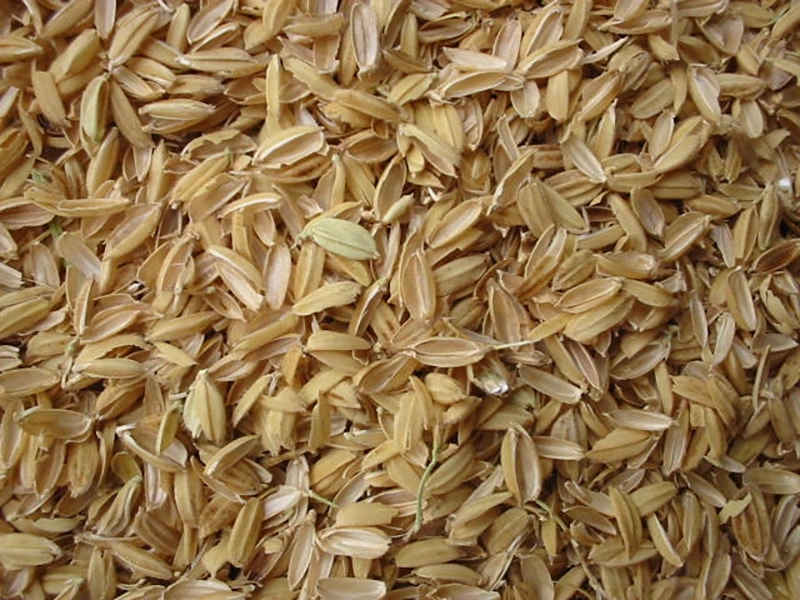
Rice Husk (Oryza sativa) is the protective outer layer surrounding each grain of rice. Although traditionally treated as an agricultural by-product, modern research has revealed that rice husk contains valuable phenolic compounds, antioxidants, and other plant-derived components that may support healthier skin.
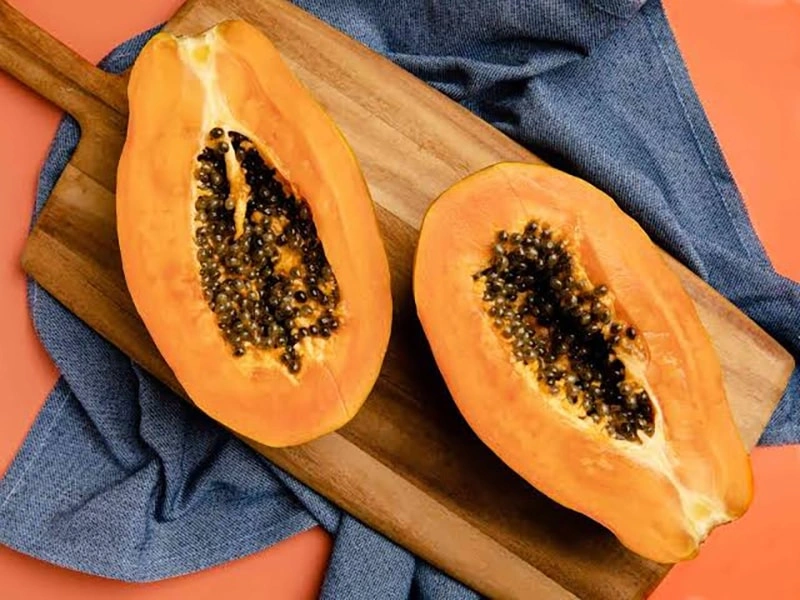
Papaya (Carica papaya) is widely recognized for its tropical sweetness, but its most valuable contribution to pet care comes from a natural proteolytic enzyme called papain. This enzyme breaks larger proteins into smaller fragments, giving papaya-derived ingredients a unique role in gentle, enzyme-based cleansing.

Grapefruit (Citrus paradisi) is a bright citrus botanical known for its fresh aroma, antioxidant activity, and natural purifying properties. In pet care, it is especially relevant for formulas designed to support coat freshness, skin surface hygiene, and gentle daily cleansing.
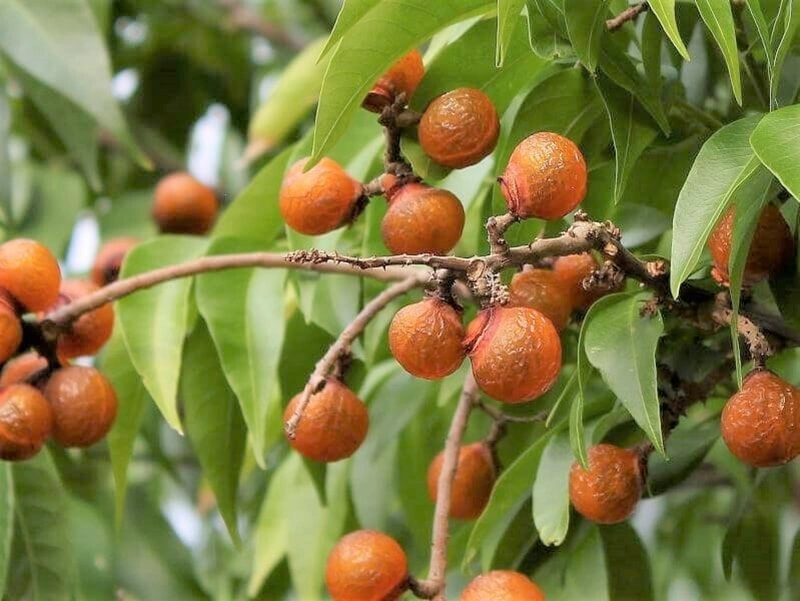
Soapnut (Sapindus mukorossi) is a traditional plant-derived cleanser valued for its naturally occurring saponins—surface-active compounds that create mild foam and help remove oil, debris, and environmental residue. Unlike many harsh synthetic cleansing agents, Soapnut offers a plant-based approach to hygiene that is gentle, biodegradable, and suitable for daily care concepts.
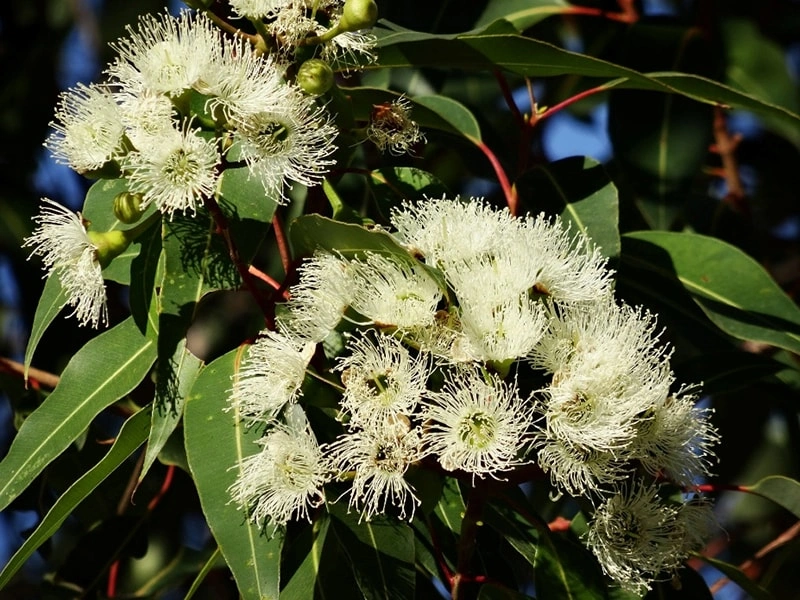
Lemon Eucalyptus (Corymbia citriodora, formerly Eucalyptus citriodora) is an aromatic botanical known for its bright lemon-like scent, refreshing profile, and protective properties. In modern pet care, it is especially valued for outdoor routines, where pets are exposed to grass, dust, humidity, environmental debris, and unwanted insects.
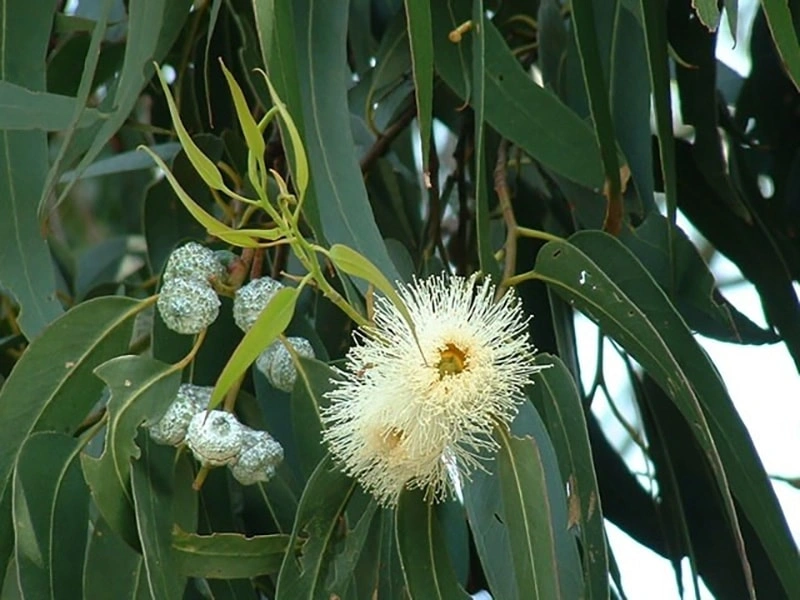
Blue Gum Eucalyptus (Eucalyptus globulus) is one of the most recognizable botanicals in natural wellness, known for its crisp, clean aroma and protective character. In pet care, it is valued not simply as a refreshing scent, but as a botanical ingredient that helps support skin cleanliness, coat freshness, and environmental comfort.
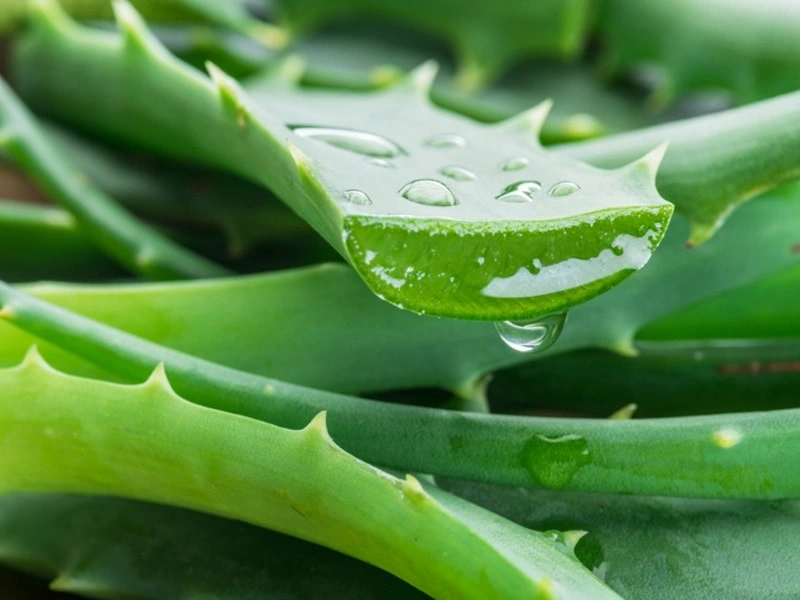
Aloe Vera (Aloe barbadensis miller) is one of the most widely recognized botanicals in both human and animal care—and for good reason. Known for its exceptional soothing, hydrating, and barrier-supporting properties, Aloe Vera plays a versatile role across multiple pet care categories, from skin and eye care to oral hygiene and daily cleansing.
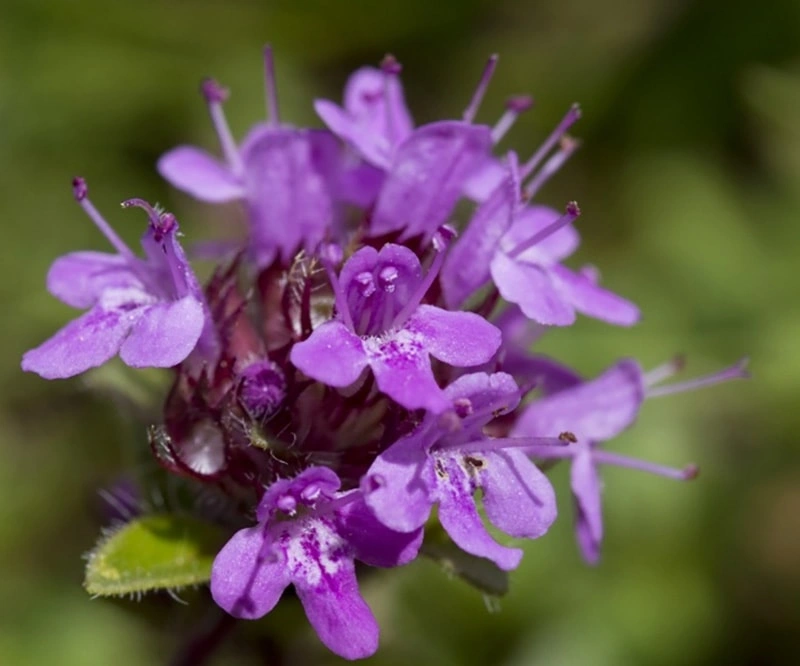
Discover how Wild Thyme supports pet skin freshness, surface balance, and everyday outdoor comfort. Learn why this cleansing botanical fits naturally into gentle daily pet care routines.

Discover how Litsea Cubeba supports coat freshness, surface cleanliness, and outdoor comfort for pets. Learn why this uplifting botanical fits naturally into gentle daily pet care routines.
Copyright © 2026 by Phytopaw Pet Health Limited All Rights Reserved