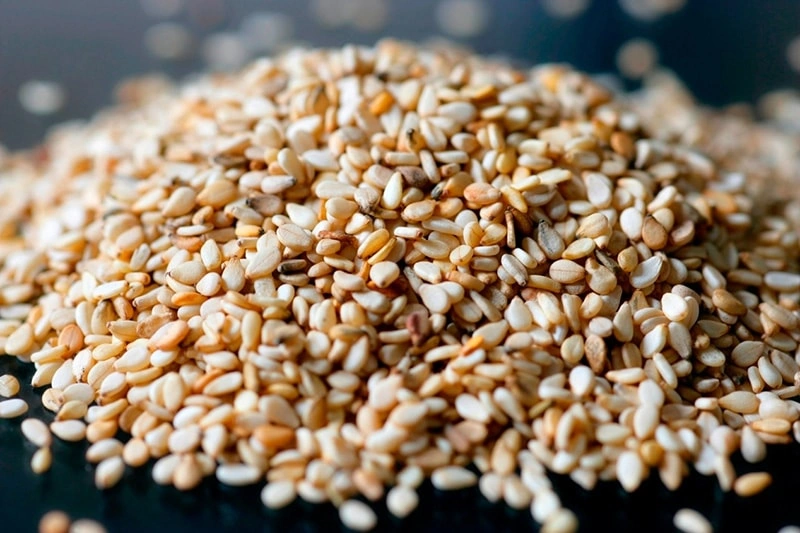
When pet skin feels “easily bothered” (redness, dryness, frequent scratching, seasonal flare-ups), the best answer is rarely “stronger.” It’s usually smarter barrier support—the kind that fits gentle daily skin care for pets, especially for sensitive skin dogs and cats.
Sesame (Sesamum indicum) has a long history of use as a nourishing oil. Modern research points to why it’s so skin-friendly: a balance of linoleic acid–rich lipids, plus sesame’s signature lignans like sesamin and sesamol—compounds widely studied for antioxidant and skin-support potential.
In topical care, “sesame” usually refers to sesame seed oil (often cold-pressed) or standardized extracts that contain sesame lignans.
Key components often discussed:
· Linoleic acid (omega-6): a key fatty acid tied to barrier lipids and water-loss control in skin science.
· Sesamin: a sesame lignan researched for antioxidant and inflammation-related pathways in skin models.
· Sesamol: another lignan, studied for antioxidant activity and for wound-environment support in research settings.
1) Barrier comfort comes first
A healthy skin barrier helps lock in moisture and reduce “trigger sensitivity.” Reviews on botanical oils discuss how certain plant oils can support barrier function and calm inflammatory signaling in skin—one reason sesame oil is often considered a classic “comfort oil.”
2) Lipid support aligns with a long-term routine
Linoleic acid is frequently discussed as an important fatty acid for skin lipid structure and barrier integrity, and sesame is one of the botanical oils that can contain meaningful amounts of it.
That’s why sesame fits a botanical pet skin care mindset: steady, consistent, non-stripping support rather than over-correction.
3) Antioxidant “background support”
Sesamin has been studied in UVB-related skin inflammation/photodamage models (in vitro and in vivo), showing antioxidant and inflammation-modulating signals—useful context when we think about environmental stress on skin.
(For pets, the practical takeaway isn’t “UV treatment”—it’s that sesame lignans are widely researched antioxidants.)
If you’re building science backed herbal pet care, sesame works best as a supporting ingredient—part of a balanced formula and routine.
Best-fit scenarios (everyday language):
· Coat feels dry or “rough,” especially after bathing or seasonal changes
· Skin looks easily reactive (but you still need a gentle, daily routine)
· You want a comfort-first approach that supports immune balanced pet care habits long term
Routine pairing ideas:
· Use a gentle cleanser + quick dry + calming leave-on (spray/serum/foam)
· Keep friction low (soft brushing, breathable collars, clean bedding)
Sesame is a known allergen in humans, and individual pets can also be sensitive. If your pet is allergy-prone:
· Patch test first (small area, 24–48h observation)
· Avoid heavy oils on pets that lick excessively (especially cats)
· If redness, bumps, or increased itching appears, stop and consult a veterinarian
Also: choose pet-appropriate formulations—some essential oils or added fragrances don’t belong on pet skin.
Sesame is “nurturing” because it supports skin comfort through lipid + antioxidant logic: linoleic-acid–rich oils for barrier feel, and sesame lignans like sesamin/sesamol that are widely researched in skin science. In gentle daily skin care for pets, it’s a steady helper—especially for sensitive skin dogs and cats.
References
1. Lin T-K, Zhong L, Santiago JL. Anti-Inflammatory and Skin Barrier Repair Effects of Topical Application of Some Plant Oils. Int J Mol Sci (2018).
2. Camera E, et al. The Enigma of Bioactivity and Toxicity of Botanical Oils for Skin Care. Front Pharmacol (2020).
3. Wang X, Jia Y, He H. The Role of Linoleic Acid in Skin and Hair Health: A Review. Int J Mol Sci (2024).
4. Lin T-Y, et al. Protective Effects of Sesamin against UVB-Induced Skin Inflammation and Photodamage In Vitro and In Vivo. Biomolecules (2019).
5. Dzidek A, et al. Impact of Raspberry Seed Oil, Sesame Oil, and Coconut Oil on Skin in Young Women. Cosmetics (2023).

Juniper Berry (Juniperus communis) has long been recognized for its crisp, resinous aroma and its traditional role as a purifying botanical. Although commonly called a “berry,” the usable part of juniper is actually a berry-like cone from an evergreen conifer. In botanical pet care, this ingredient is valued for its fresh scent, antioxidant profile, and ability to support a cleaner, more balanced skin environment.
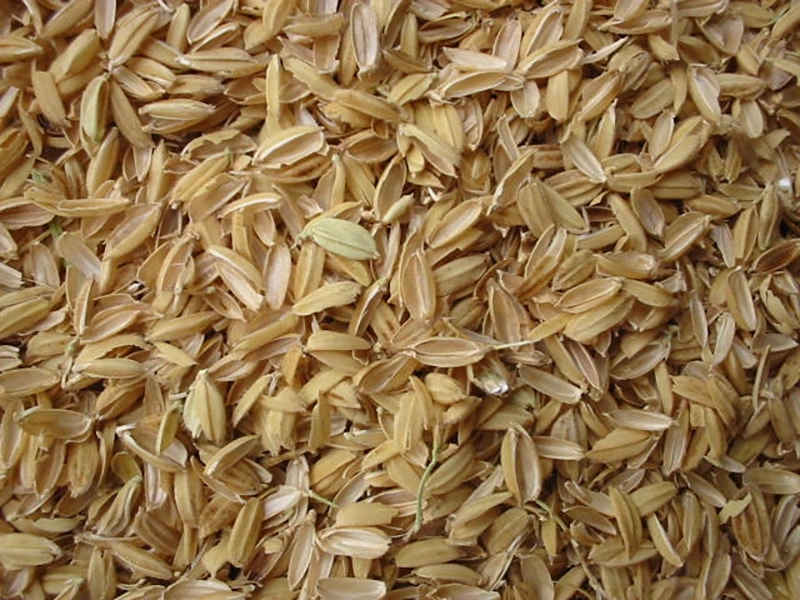
Rice Husk (Oryza sativa) is the protective outer layer surrounding each grain of rice. Although traditionally treated as an agricultural by-product, modern research has revealed that rice husk contains valuable phenolic compounds, antioxidants, and other plant-derived components that may support healthier skin.
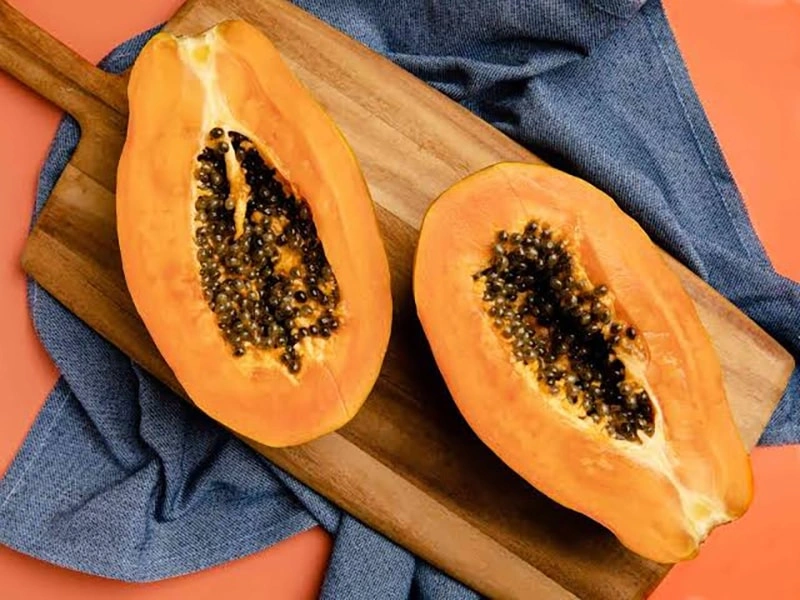
Papaya (Carica papaya) is widely recognized for its tropical sweetness, but its most valuable contribution to pet care comes from a natural proteolytic enzyme called papain. This enzyme breaks larger proteins into smaller fragments, giving papaya-derived ingredients a unique role in gentle, enzyme-based cleansing.

Grapefruit (Citrus paradisi) is a bright citrus botanical known for its fresh aroma, antioxidant activity, and natural purifying properties. In pet care, it is especially relevant for formulas designed to support coat freshness, skin surface hygiene, and gentle daily cleansing.

Soapnut (Sapindus mukorossi) is a traditional plant-derived cleanser valued for its naturally occurring saponins—surface-active compounds that create mild foam and help remove oil, debris, and environmental residue. Unlike many harsh synthetic cleansing agents, Soapnut offers a plant-based approach to hygiene that is gentle, biodegradable, and suitable for daily care concepts.
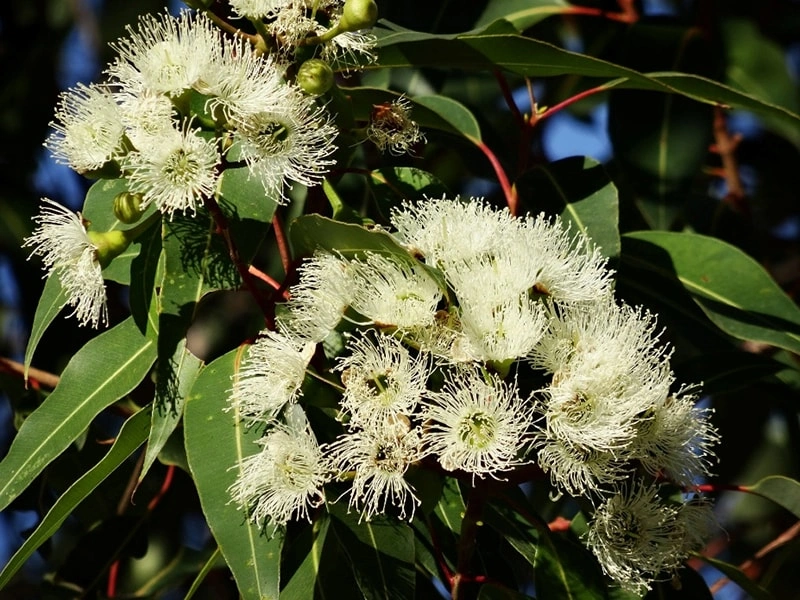
Lemon Eucalyptus (Corymbia citriodora, formerly Eucalyptus citriodora) is an aromatic botanical known for its bright lemon-like scent, refreshing profile, and protective properties. In modern pet care, it is especially valued for outdoor routines, where pets are exposed to grass, dust, humidity, environmental debris, and unwanted insects.
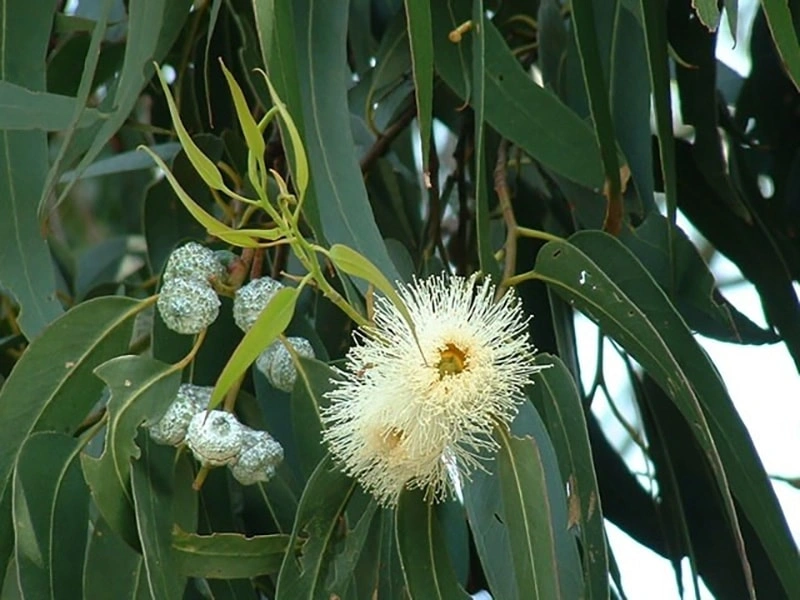
Blue Gum Eucalyptus (Eucalyptus globulus) is one of the most recognizable botanicals in natural wellness, known for its crisp, clean aroma and protective character. In pet care, it is valued not simply as a refreshing scent, but as a botanical ingredient that helps support skin cleanliness, coat freshness, and environmental comfort.
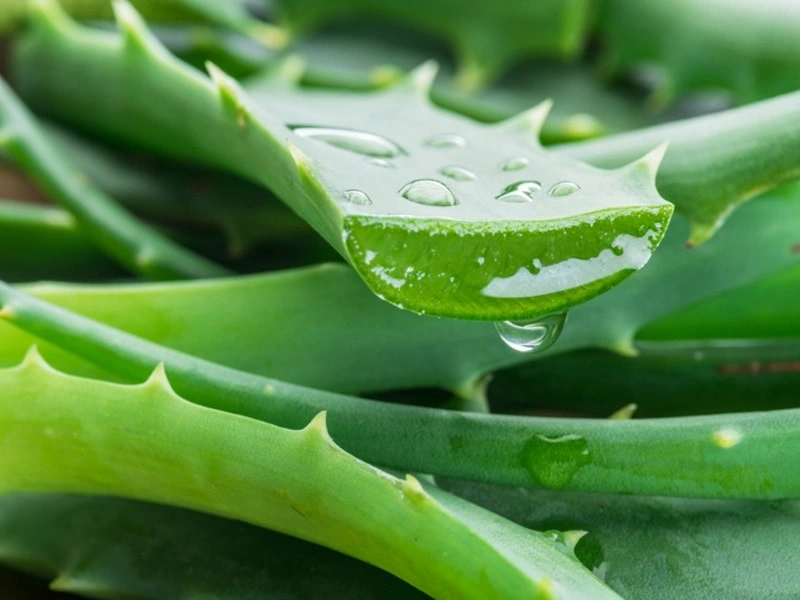
Aloe Vera (Aloe barbadensis miller) is one of the most widely recognized botanicals in both human and animal care—and for good reason. Known for its exceptional soothing, hydrating, and barrier-supporting properties, Aloe Vera plays a versatile role across multiple pet care categories, from skin and eye care to oral hygiene and daily cleansing.
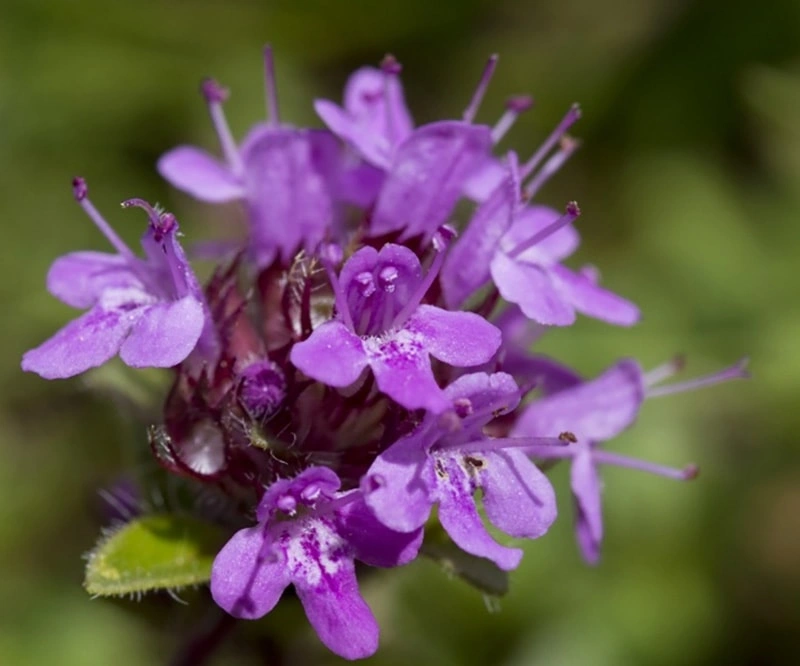
Discover how Wild Thyme supports pet skin freshness, surface balance, and everyday outdoor comfort. Learn why this cleansing botanical fits naturally into gentle daily pet care routines.

Discover how Litsea Cubeba supports coat freshness, surface cleanliness, and outdoor comfort for pets. Learn why this uplifting botanical fits naturally into gentle daily pet care routines.
Copyright © 2026 by Phytopaw Pet Health Limited All Rights Reserved