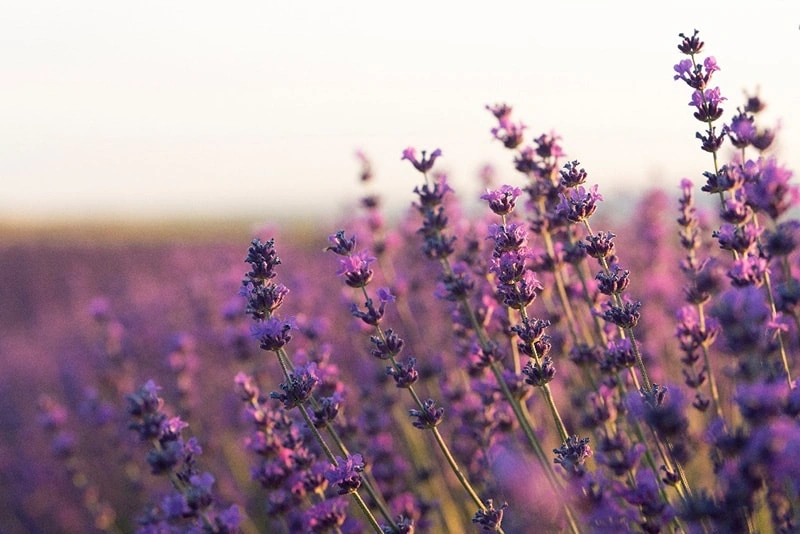
Some days, pets don’t look “sick”—they just feel overstimulated: a little more restless, a little more itchy, a little more reactive to the world. In these moments, gentle support matters more than strong solutions.
Lavender (Lavandula angustifolia) is often described as a “soothing” plant for a `reason. Its naturally aromatic profile (commonly associated with compounds like linalool and linalyl acetate) has been studied in calming contexts, and lavender-derived ingredients are also explored for skin-comfort pathways in topical research.
But with pets, lavender needs a smart boundary: the plant (and especially concentrated essential oil) isn’t “harmless,” particularly for cats. That’s why, in pet routines, lavender is best approached through carefully dosed, pet-designed topical formulas—not DIY essential oil experiments.
Lavender is a flowering herb widely used for fragrance and comfort rituals. In research and real-world use, lavender is usually discussed in two very different forms:
· Lavender essential oil (highly concentrated volatile compounds)
· Lavender extracts (typically gentler, lower concentration, easier to control in water-based formats)
This distinction matters in pet care—because concentration and exposure route (licking, ingestion, diffuser inhalation, skin absorption) can change the safety profile significantly.
1) A calmer environment can support calmer behavior (especially in dogs)
Shelter and enrichment studies suggest lavender scent exposure can be associated with more resting and less unsettled movement—patterns consistent with a calmer state. This doesn’t mean lavender “treats anxiety,” but it supports the idea that gentle sensory cues can be part of a supportive environment.
2) Lavender is also explored in skin-comfort contexts
Lavender oil has been investigated in experimental wound-healing models, which helps explain why lavender-derived ingredients are often positioned as “comfort-supporting” in topical care. In everyday pet routines, the practical goal is simpler: keep skin calm, keep routines gentle, and avoid over-stripping.
Lavender is most helpful in pet care when it plays a supporting role—quietly improving day-to-day comfort—rather than becoming a “strong” DIY solution. That’s the idea behind ImmuneBalance Skin Spray: a leave-on routine step built for repeatability and stability, especially for sensitive skin dogs and cats.
Product advantages
· Comfort-first, not aggressive
Designed around a calmer daily baseline—aligned with gentle daily skin care for pets, especially when skin is easily triggered by environment, seasons, or frequent scratching.
· Leave-on support that fits busy routines
A spray format makes it easier to use consistently (the part most people struggle with). Consistency is often the difference-maker in immune balanced pet care routines.
· Botanical, evidence-aligned positioning
Lavender is used here as part of a wider comfort strategy—reflecting a science backed herbal pet care approach: select botanicals for supportive pathways, then deliver them in a controlled, pet-appropriate format.
· Made for repeat use on reactive skin
This is the “daily maintenance” side of botanical pet skin care—less about doing more, more about doing the right small steps repeatedly.
Indications / best-fit scenarios

ImmuneBalance Skin Spray is best suited for pets who experience:
· Sensitive, easily reactive skin (redness that comes and goes, “hot” uncomfortable patches)
· Seasonal itch periods (when flare-ups align with weather, pollen, humidity, indoor heating)
· Post-walk irritation (after heat, dust, grass contact)
· Routine support for dermatitis-prone pets (comfort + daily stability, not a “one-time fix”)
· Skin that’s stressed by frequent scratching (supporting a calmer baseline)
Important boundary: if you see open sores, oozing, strong odor, swelling, fever, or rapidly worsening symptoms, that’s beyond daily care—seek veterinary assessment.
Lavender is not automatically “safe” just because it’s natural. The practical rule is simple:
· Avoid DIY essential oils, diffusers, and direct applications.
· Choose pet-designed formulas, use externally as directed, prevent licking.
· Stop use if irritation appears, and consult a veterinarian for persistent or severe issues.
References
1. Graham, L., Wells, D. L., & Hepper, P. G. (2005). The influence of olfactory stimulation on the behaviour of dogs housed in a rescue shelter. Applied Animal Behaviour Science, 91(1–2), 143–153. https://doi.org/10.1016/j.applanim.2004.08.024
2. Amaya, V., Paterson, M. B. A., & Phillips, C. J. C. (2020). Effects of Olfactory and Auditory Enrichment on the Behaviour of Shelter Dogs. Animals, 10(4), 581. https://doi.org/10.3390/ani10040581
3. Mori, H.-M., et al. (2016). Wound healing potential of lavender oil through induction of TGF-β in a rat model. BMC Complementary and Alternative Medicine, 16, 144. https://doi.org/10.1186/s12906-016-1128-7
4. ASPCA. Toxic and Non-toxic Plants: Lavender (Lavandula angustifolia).
5. Pet Poison Helpline. Essential Oils and Cats.

Juniper Berry (Juniperus communis) has long been recognized for its crisp, resinous aroma and its traditional role as a purifying botanical. Although commonly called a “berry,” the usable part of juniper is actually a berry-like cone from an evergreen conifer. In botanical pet care, this ingredient is valued for its fresh scent, antioxidant profile, and ability to support a cleaner, more balanced skin environment.
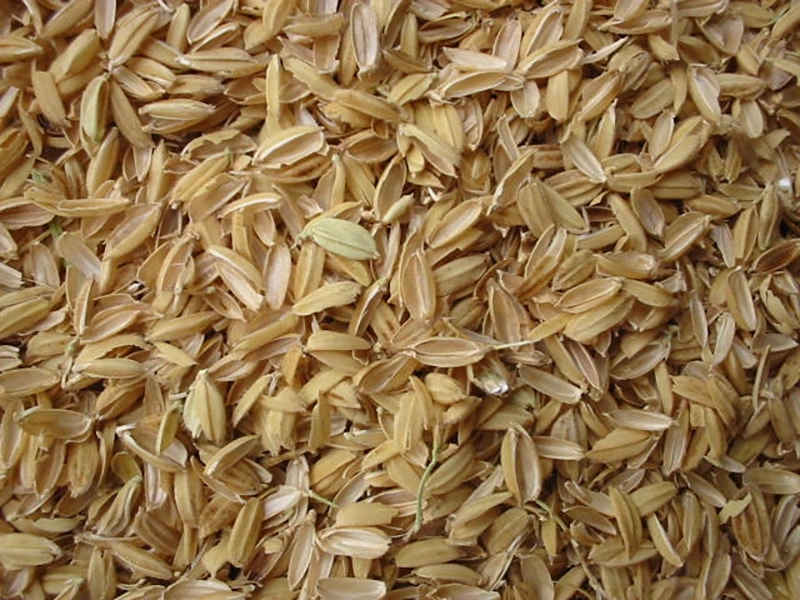
Rice Husk (Oryza sativa) is the protective outer layer surrounding each grain of rice. Although traditionally treated as an agricultural by-product, modern research has revealed that rice husk contains valuable phenolic compounds, antioxidants, and other plant-derived components that may support healthier skin.
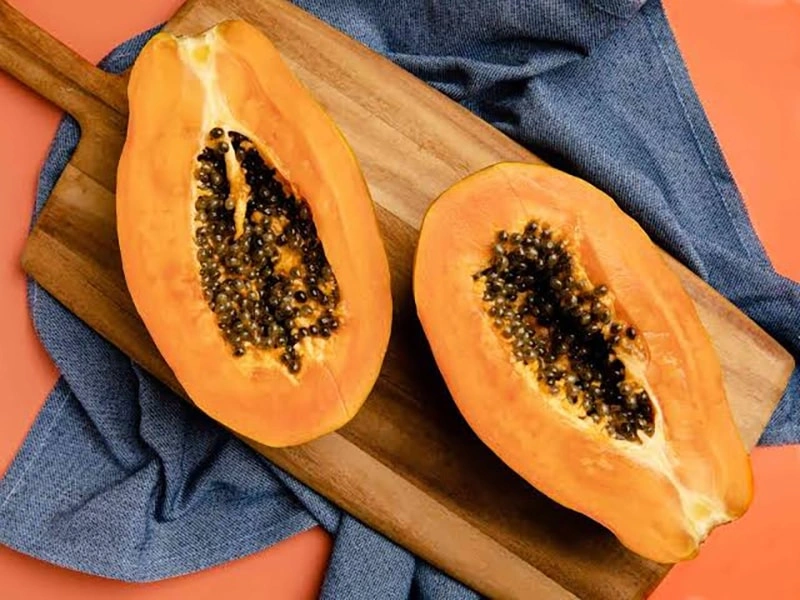
Papaya (Carica papaya) is widely recognized for its tropical sweetness, but its most valuable contribution to pet care comes from a natural proteolytic enzyme called papain. This enzyme breaks larger proteins into smaller fragments, giving papaya-derived ingredients a unique role in gentle, enzyme-based cleansing.

Grapefruit (Citrus paradisi) is a bright citrus botanical known for its fresh aroma, antioxidant activity, and natural purifying properties. In pet care, it is especially relevant for formulas designed to support coat freshness, skin surface hygiene, and gentle daily cleansing.
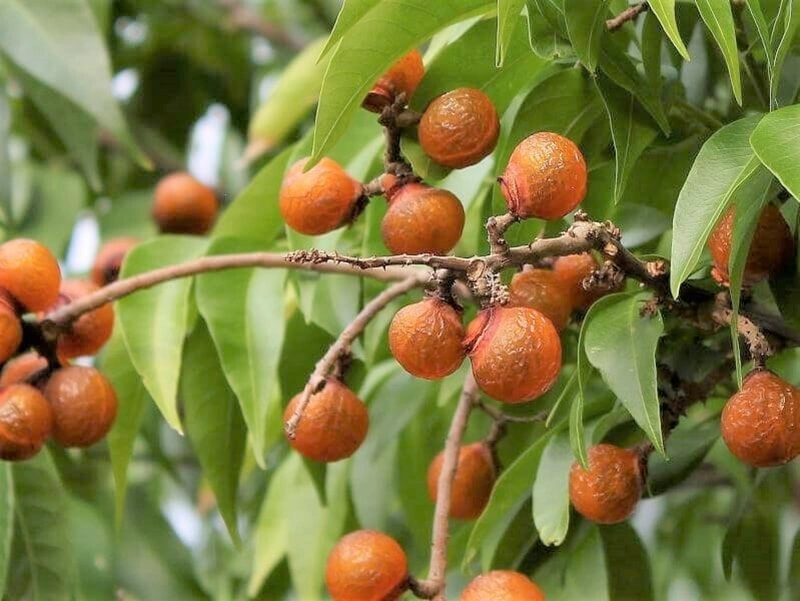
Soapnut (Sapindus mukorossi) is a traditional plant-derived cleanser valued for its naturally occurring saponins—surface-active compounds that create mild foam and help remove oil, debris, and environmental residue. Unlike many harsh synthetic cleansing agents, Soapnut offers a plant-based approach to hygiene that is gentle, biodegradable, and suitable for daily care concepts.
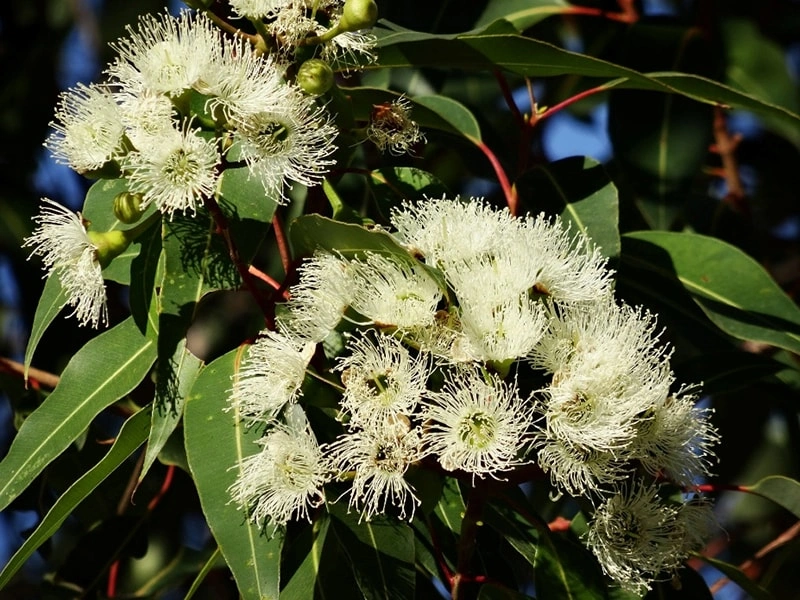
Lemon Eucalyptus (Corymbia citriodora, formerly Eucalyptus citriodora) is an aromatic botanical known for its bright lemon-like scent, refreshing profile, and protective properties. In modern pet care, it is especially valued for outdoor routines, where pets are exposed to grass, dust, humidity, environmental debris, and unwanted insects.
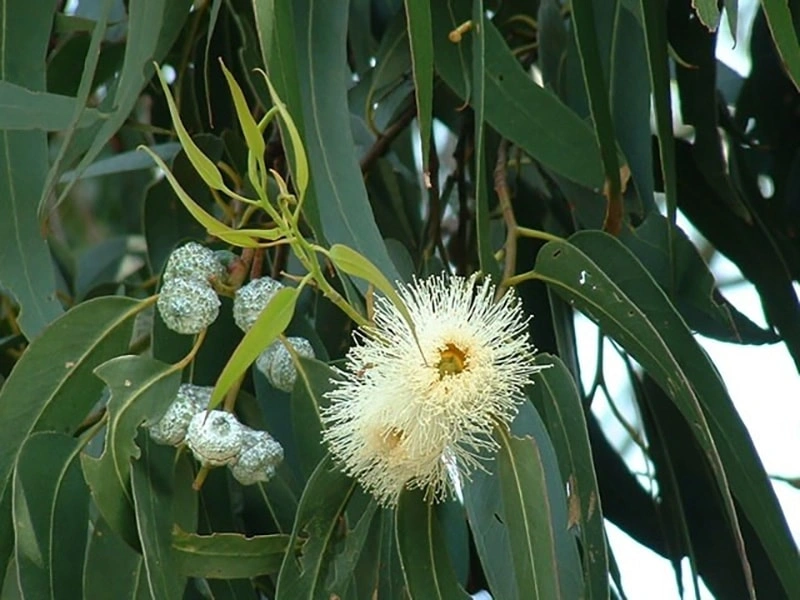
Blue Gum Eucalyptus (Eucalyptus globulus) is one of the most recognizable botanicals in natural wellness, known for its crisp, clean aroma and protective character. In pet care, it is valued not simply as a refreshing scent, but as a botanical ingredient that helps support skin cleanliness, coat freshness, and environmental comfort.
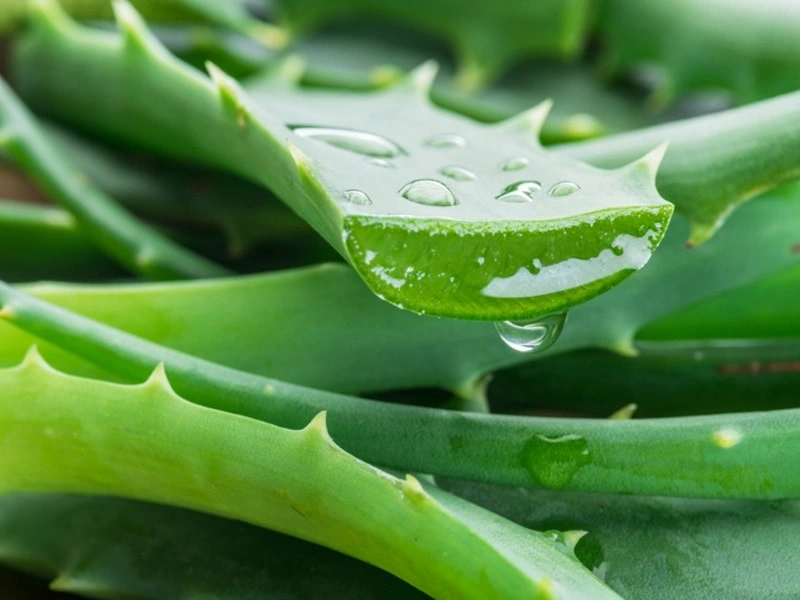
Aloe Vera (Aloe barbadensis miller) is one of the most widely recognized botanicals in both human and animal care—and for good reason. Known for its exceptional soothing, hydrating, and barrier-supporting properties, Aloe Vera plays a versatile role across multiple pet care categories, from skin and eye care to oral hygiene and daily cleansing.
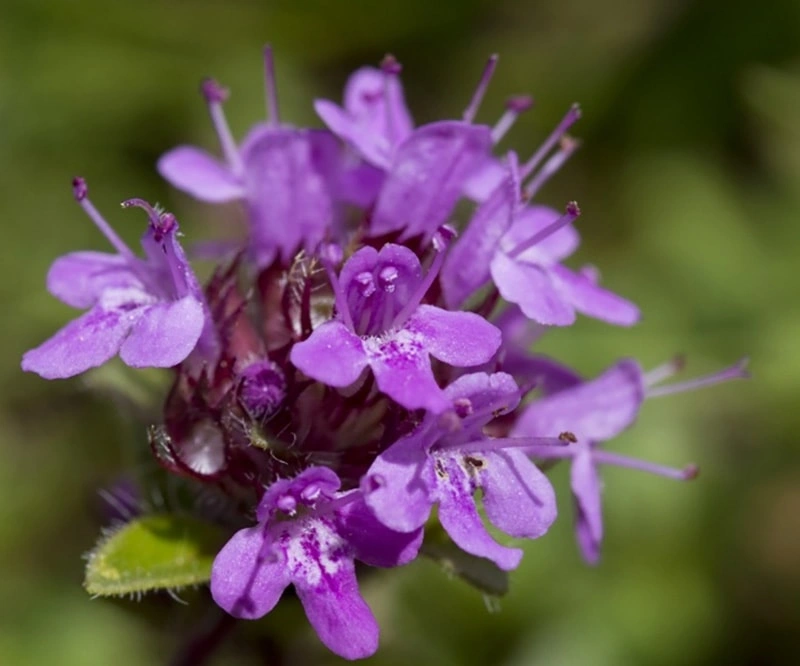
Discover how Wild Thyme supports pet skin freshness, surface balance, and everyday outdoor comfort. Learn why this cleansing botanical fits naturally into gentle daily pet care routines.

Discover how Litsea Cubeba supports coat freshness, surface cleanliness, and outdoor comfort for pets. Learn why this uplifting botanical fits naturally into gentle daily pet care routines.
Copyright © 2026 by Phytopaw Pet Health Limited All Rights Reserved